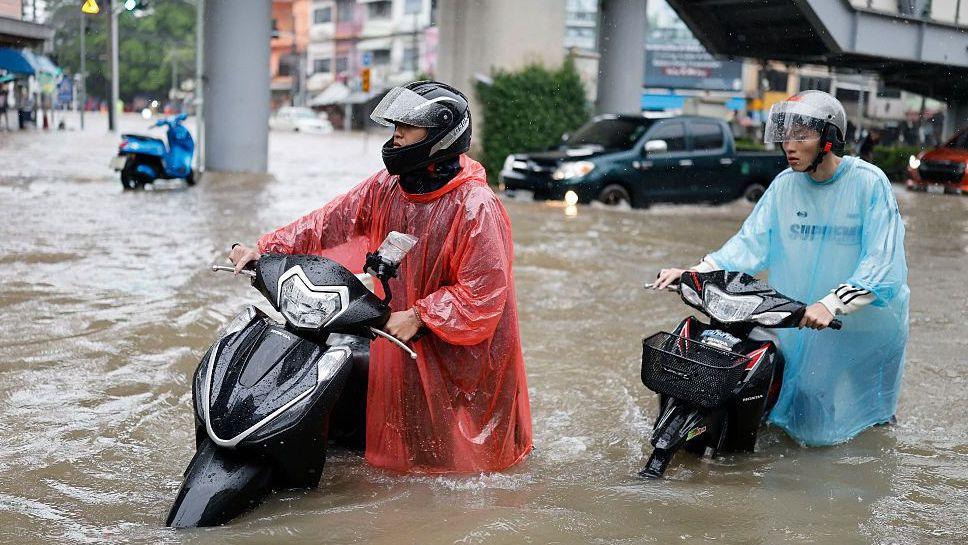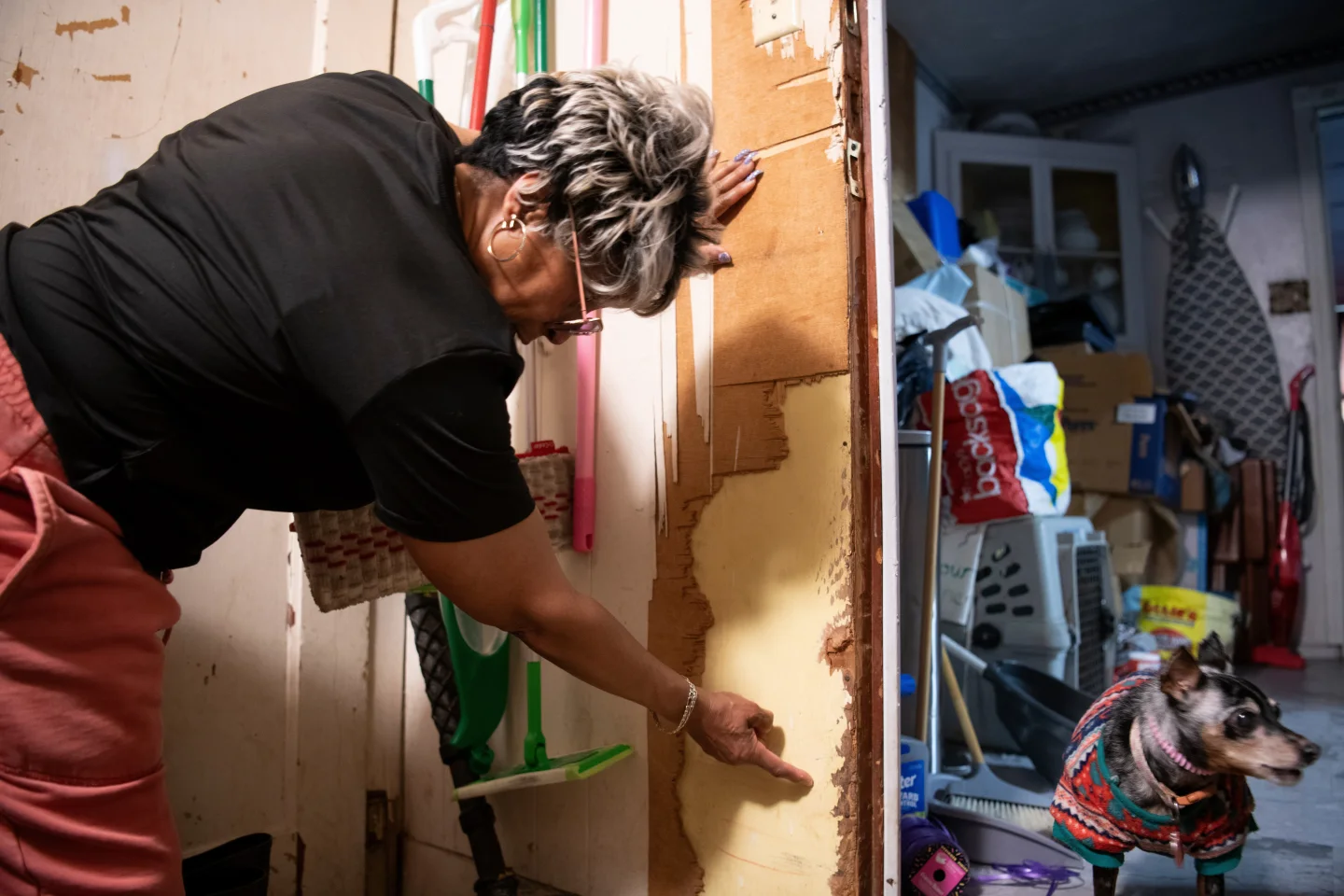
CAHOKIA HEIGHTS, Ill. — Yvette Lyles considered her new home a Christmas gift for her family, envisioning picnics and outdoor memories. However, the dream turned into a nightmare as heavy rains led to flooding that forced untreated sewage into their streets and homes.
I had to turn my back so my children wouldn’t see me cry, Lyles shared, recounting a harrowing experience of being trapped in her flooded home.
Cahokia Heights, a city with a predominantly Black population and a significant poverty rate, exemplifies a nationwide crisis. As many communities grapple with crumbling wastewater systems, the consequences include health risks from untreated sewage backups, particularly in regions without sufficient resources for repairs.
The situation has worsened with the cancellation or elimination of hundreds of millions in infrastructure grants. Promised under the Bipartisan Infrastructure Law, these funds aimed to address disparities, but the current political landscape under the Trump administration has stymied progress, eliminating many initiatives meant to aid vulnerable communities.
For example, the Environmental Protection Agency (EPA) cut several community-focused programs while redirecting focus on diversity, equity, and inclusion efforts. This included substantial grants that aimed to assist minority communities in upgrading their outdated sewage systems. In areas like Alabama, residents are left to manage sewage that backs up onto their properties.
As Lyles struggles with health issues that she believes stem from sewage exposure, the larger implications are catastrophic. More than 1,000 wastewater systems across the country are in serious violation of pollution regulations, particularly affecting lower-income families earning less than the national average.
Further complicating matters, funding sources previously available, such as the Federal Emergency Management Agency, remain uncertain or have been significantly impacted by cuts from previous administrations.
In Cahokia Heights alone, nearly $41 million has been sought for repair projects, but leaders claim that under current policies, securing the necessary funds has become increasingly difficult.
Meanwhile, advocates argue that the health risks for marginalized communities necessitate immediate action. The stigma surrounding the need for investment in these communities often masks the severity of flooding and sewage-related issues.
With millions in funding at stake, residents like Lyles and Johnson face dire conditions, compounded by a framework that seems to disregard their needs. Their calls for infrastructure investment highlight the intersection of racial, social, and health disparities in America's infrastructure crisis.
As the Biden administration considers alternative funding pathways, the struggle to restore and improve basic sanitation and sewage systems continues, reflecting broader challenges faced by many communities across the United States.
}