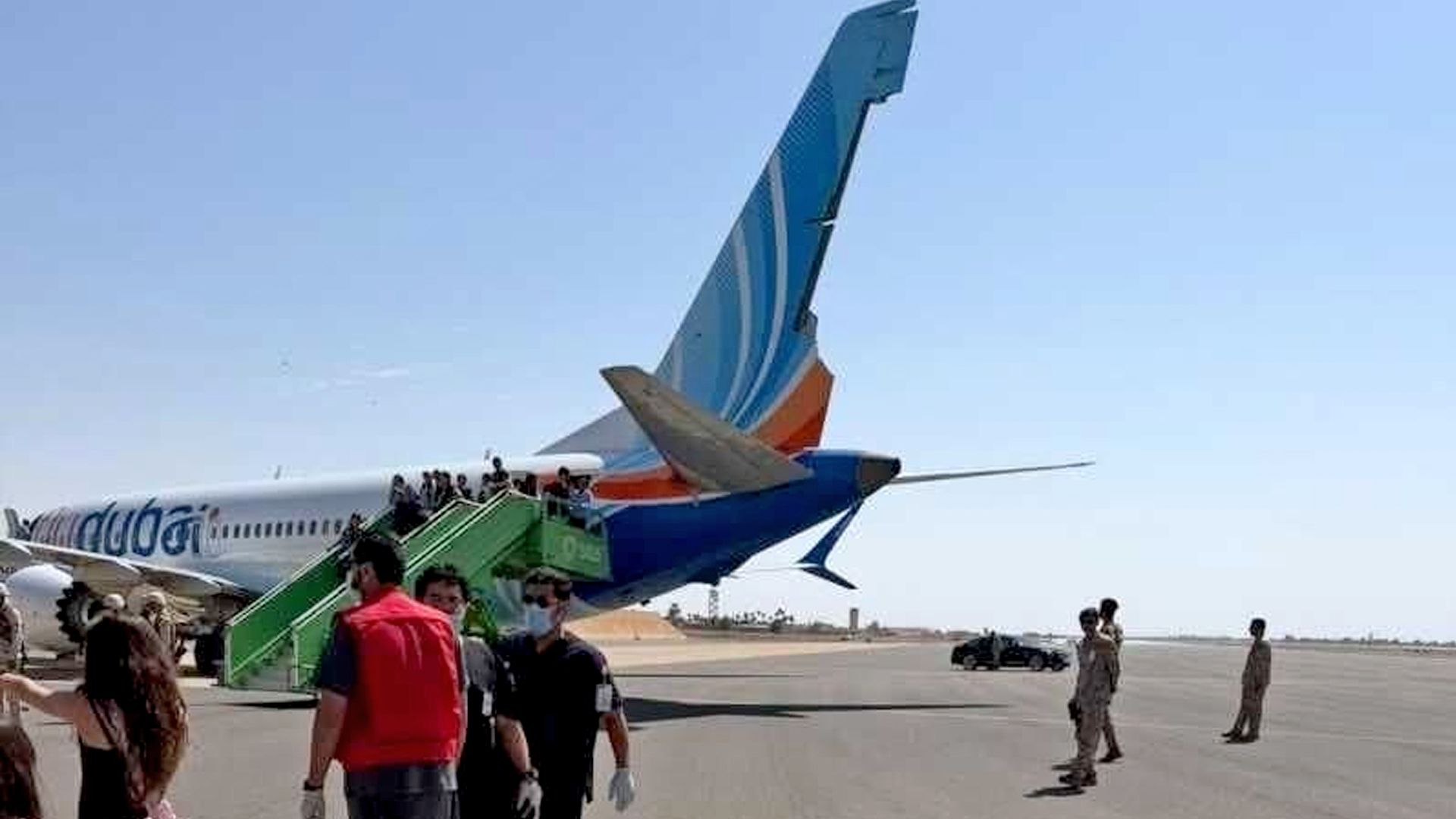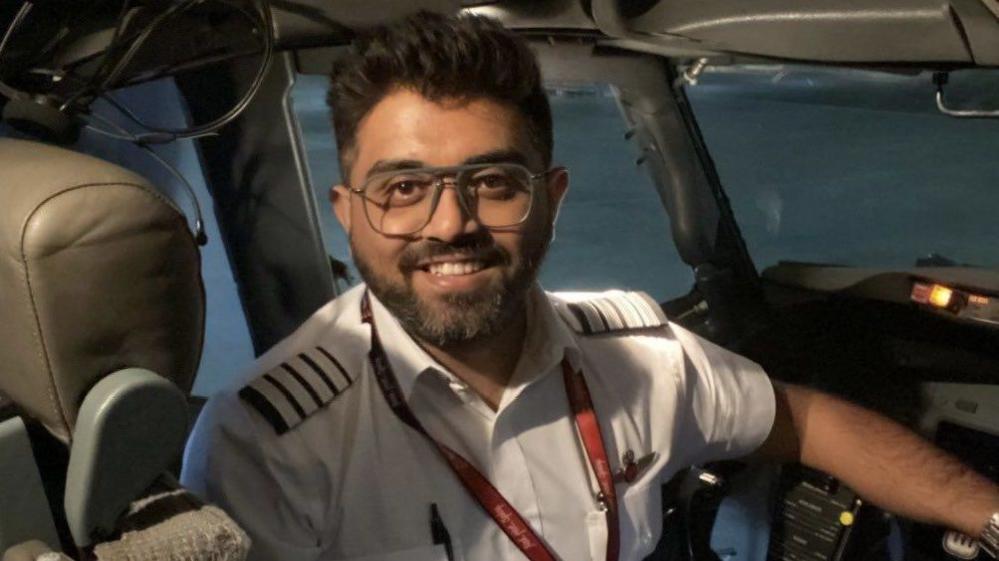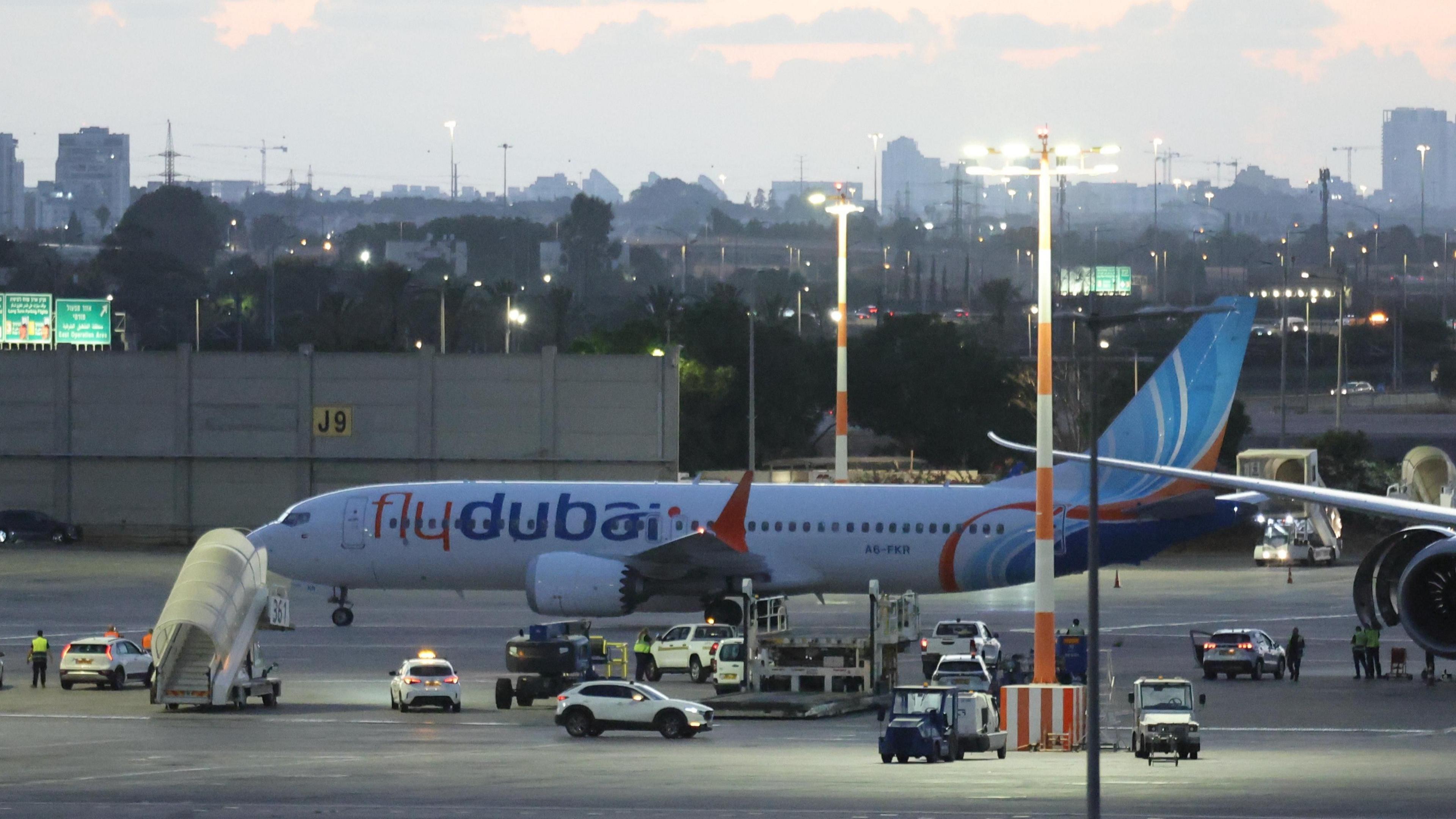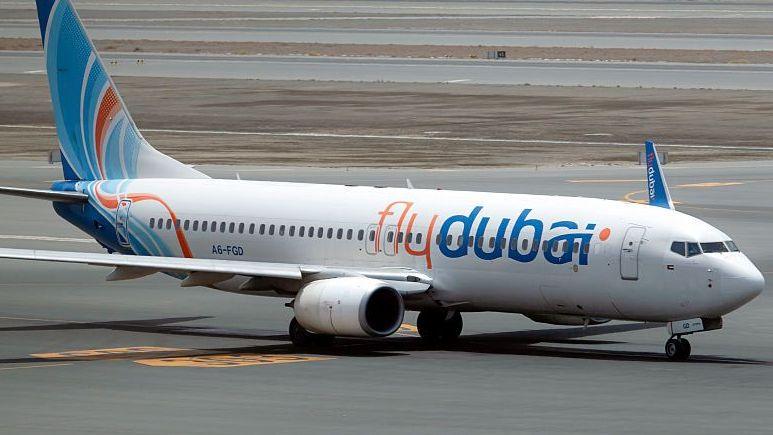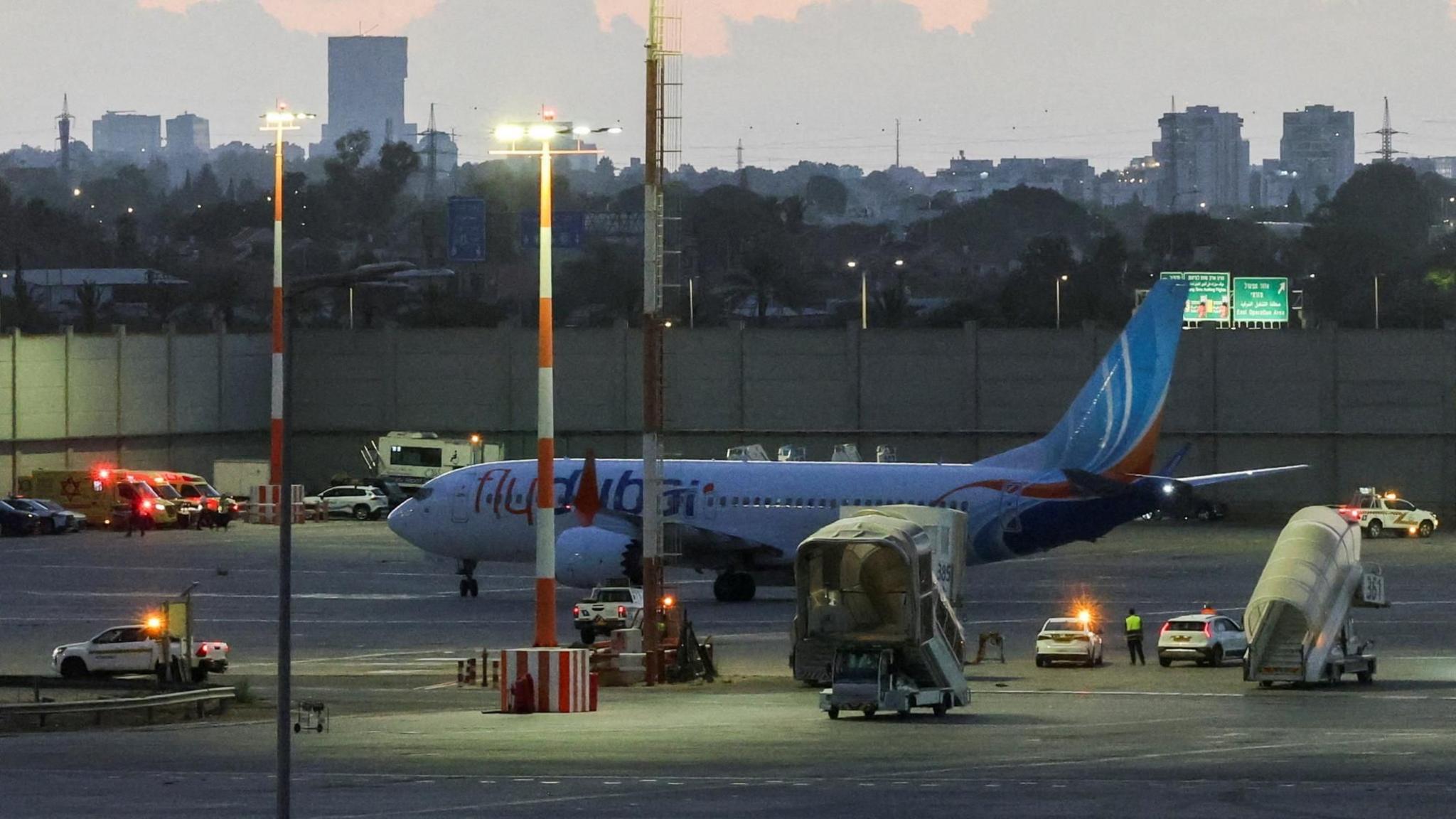
The co‑pilot who was accused of planning a mass‑killing attack on a flydubai flight to Tel Aviv has been taken into custody by UAE authorities. Reports say the 42‑year‑old Omani national, who is named as Hamam al‑Hammami, plotted to crash the Boeing 737 MAX into Ben Gurion airport or a central Tel Aviv tower, emulating the 9/11 attacks. He allegedly attacked the captain with an emergency crash axe before being overpowered by passengers, some of whom helped bring the aircraft to an emergency landing in Saudi Arabia.
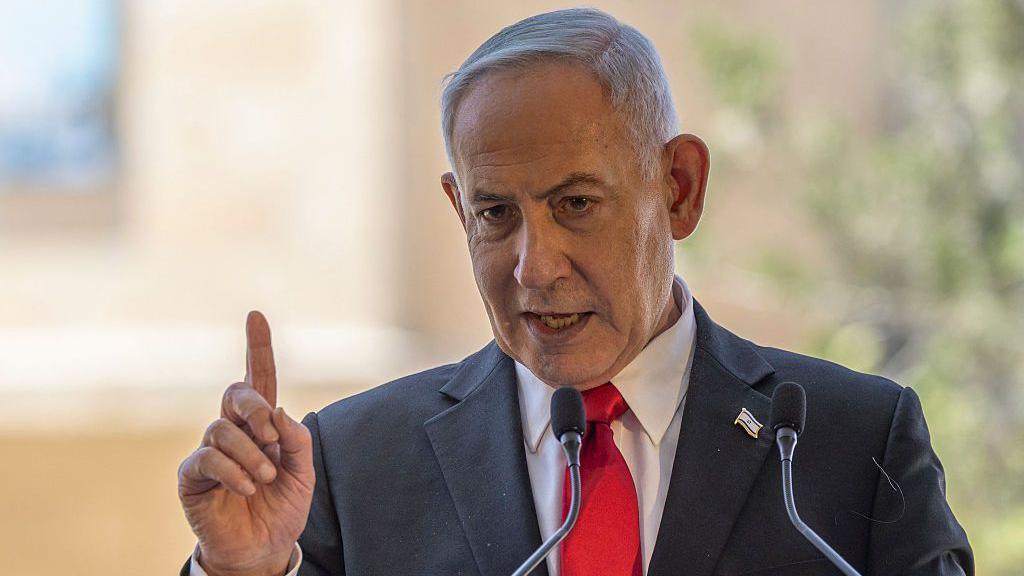
UAE Attorney‑General Hamad al‑Shamsi confirmed that the incident constitutes a “terrorist act” and said national investigative bodies would publish full findings once concluded. Israeli Prime Minister Benjamin Netanyahu called the episode a “9/11‑style” attempt, urging a top‑level review of all security aspects concerning foreign civil aviation to Israel.
The co‑pilot’s background has raised concerns about complex security gaps. Formerly barred from flying by Oman Air for extremist views, he was later hired by flydubai after a routine pre‑employment check that reportedly failed to detect radicalisation. Israeli regulators also highlighted that pilots from countries without formal diplomatic relations with Israel, such as Oman, typically cannot operate flights to Israel, adding another layer of ambiguity.
Investigators believe the co‑pilot acted alone, not on behalf of a state or terrorist organization. He reportedly told authorities that he had previously intended to hijack another flight to Tel Aviv but abandoned the plan when he discovered a familiar passenger on board.
Australian authorities are probing the pilot’s links to the country, noting that he studied in Sydney between 2015 and 2017. Meanwhile, the UAE is expected to release a formal report outlining the circumstances, motives, and any potential connections to extremist groups. The incident has already prompted the Transport Ministry and security agencies in both the UAE and Israel to assess the robustness of crew vetting procedures and passenger screening for flights that cross international borders without diplomatic ties.