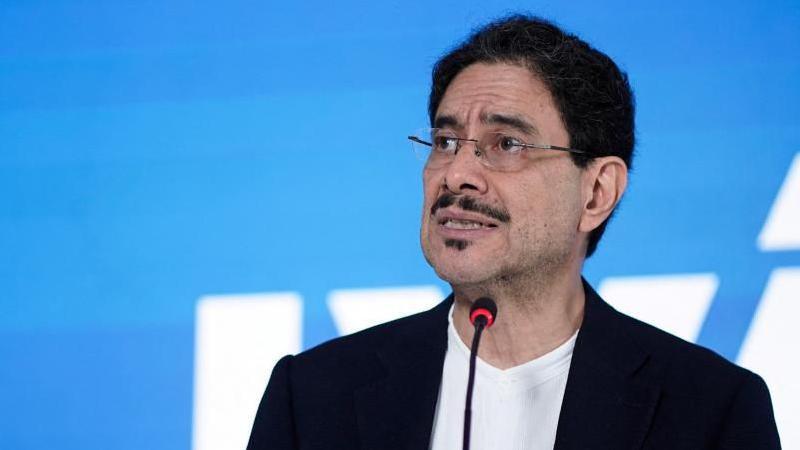
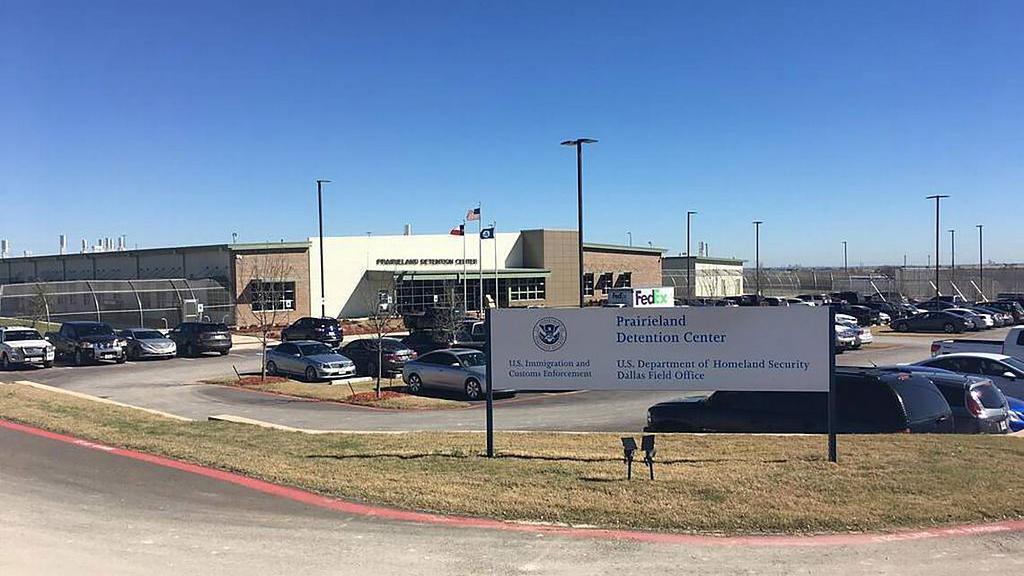
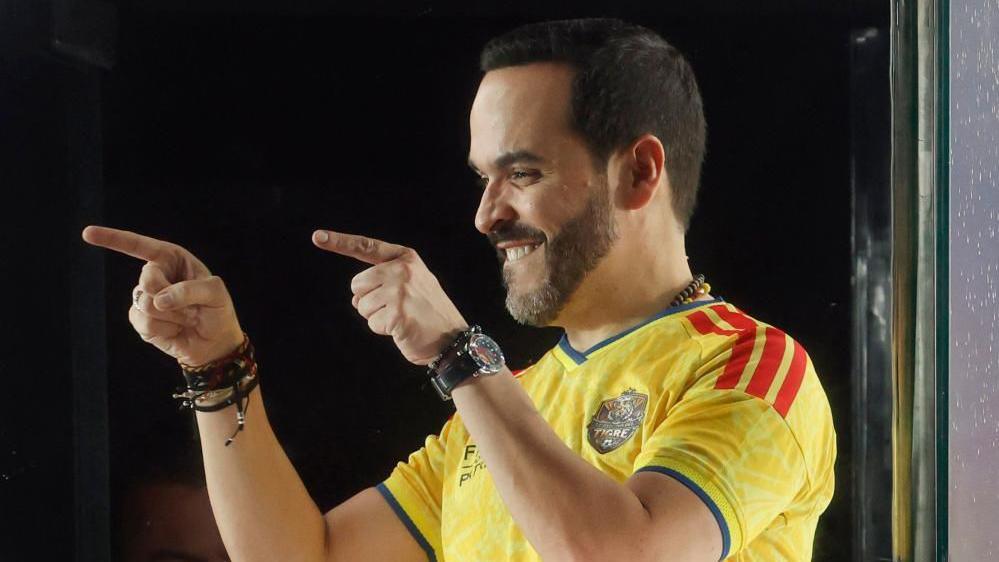
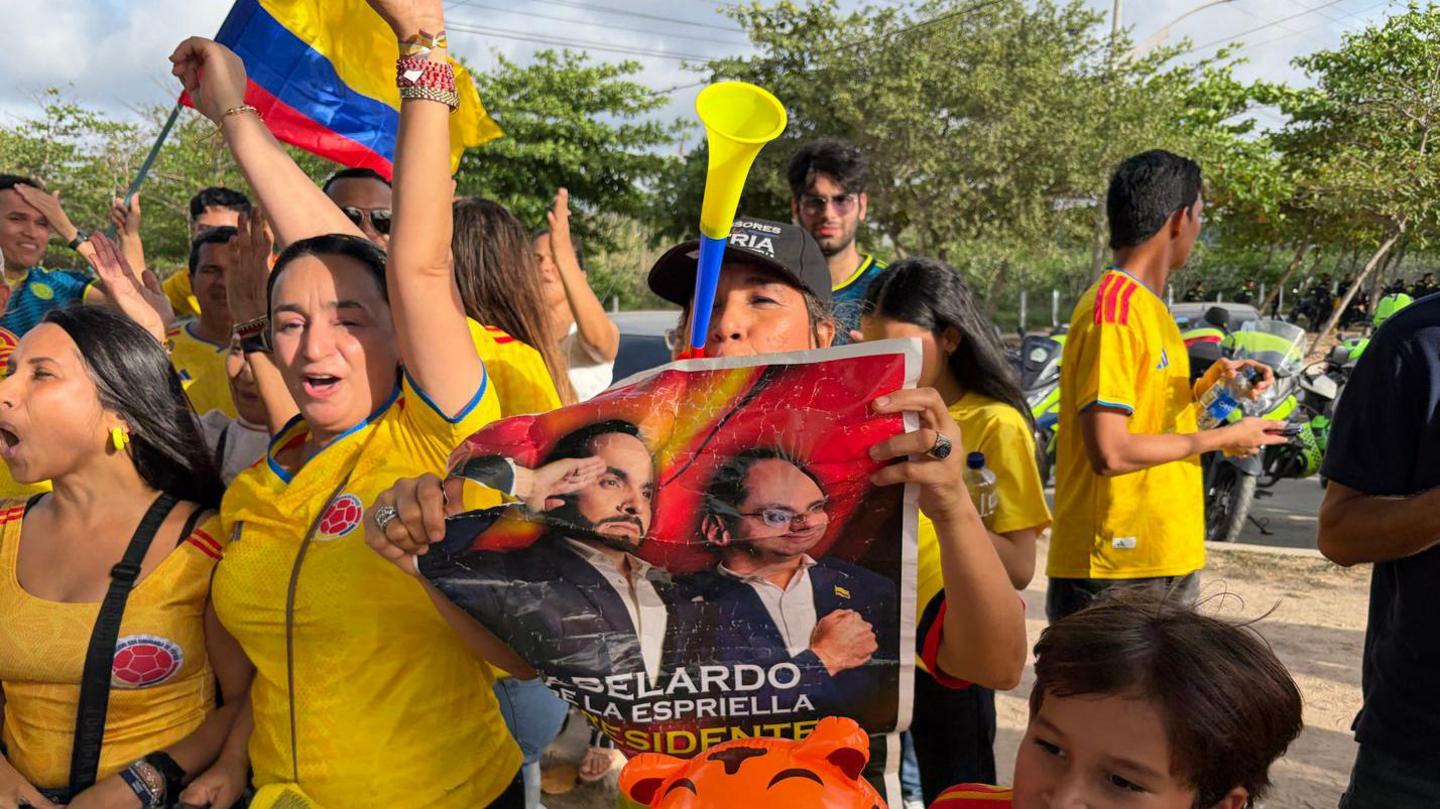
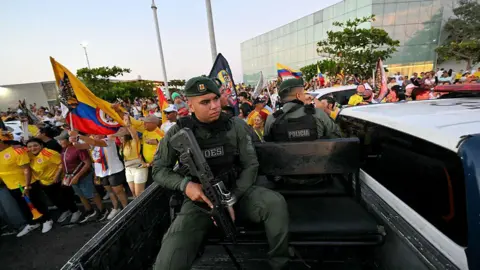
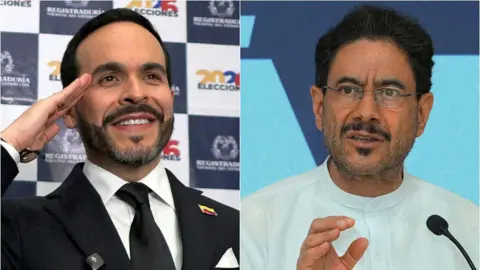
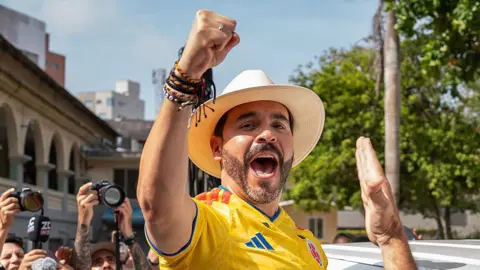
[ { "type": "paragraph", "content": "The 2026 Colombian presidential election will go to a runoff on 21 June after the first‑round vote on 11 June produced no majority winner. The contest is between left‑wing Senator Iván Cepeda Castro, ally of President Gustavo Petro, and right‑wing businessman and lawyer Abelardo de la Espriella, who has openly praised former U.S. President Donald Trump." }, { "type": "paragraph", "content": "In the first round, de la Espriella received 43.7 % of the vote, followed by Cepeda with 41 %. The final third of the field was captured by moderate senator Paloma Valencia. Official results show an almost even split with only a few percent remaining for the two leading candidates, prompting the need for a second‑round contest." }, { "type": "subheading", "content": "Differing visions for security and peace" }, { "type": "paragraph", "content": "Cepeda’s stance is grounded in the “total peace” strategy he helped craft for President Petro, favoring dialogue and negotiated ceasefires with armed groups over military intervention. Critics point to a rise in cocaine production, growth in armed‑group membership, and increased violence on Colombia’s borders as failures of this approach." }, { "type": "paragraph", "content": "By contrast, de la Espriella calls for a hard‑line military crackdown. He advocates stronger U.S. cooperation, the use of military force against cartels, wider criminal jurisdiction, and plans to build large “mega‑prisons” in the jungle—policy elements reminiscent of President Nayib Bukele’s hard‑right agenda in El Salvador." }, { "type": "paragraph", "content": "Both candidates confront a significant security crisis, including drone strikes, kidnappings, homicides and the 2025 assassination of a rival candidate at a campaign rally. Their divergent approaches to violence and drug trafficking will be at the forefront of the campaign." }, { "type": "subheading", "content": "Implications for U.S. and regional relations" }, { "type": "paragraph", "content": "Cepeda, like President Petro, has insisted that Colombia should not be a “vassal state” to the United States. De la Espriella, however, has expressed a desire to deepen security cooperation with Washington, aligning himself ideologically with Trump." }, { "type": "paragraph", "content": "The outgoing president has already met with President Trump and upheld a policy of anti‑narcotics collaboration, even as the two officials have frequently publicly disagreed." }, { "type": "paragraph", "content": "Beyond the United States, the runoff carries weight for regional dynamics. Ecuador’s president Daniel Noboa, who had imposed tariffs on Colombian goods and conducted joint U.S. counter‑drug operations, has recently pledged to lift those tariffs in exchange for cooperation on narcoterrorism. An agreement with de la Espriella would further signal a shift toward a tougher policy stance in Colombia." }, { "type": "paragraph", "content": "The forthcoming runoff will therefore decide not only which policies will shape Colombia’s domestic security and economic future, but also how the country positions itself within the larger geopolitical framework of Latin America." } ]
Colombia heads to runoff: left‑wing senator faces right‑wing candidate

Colombia heads to runoff: left‑wing senator faces right‑wing candidate
After a first‑round vote that produced no outright winner, Colombia will hold a runoff on 21 June between Senator Iván Cepeda Castro and business‑lawyer Abelardo de la Espriella. The result could reshape Colombia’s domestic security policy, its relationship with the United States, and relations with neighboring Ecuador.
Runoff pits left‑wing senator vs right‑wing former Trump‑fan; key issues: violence, drug trafficking, security policy and US ties.