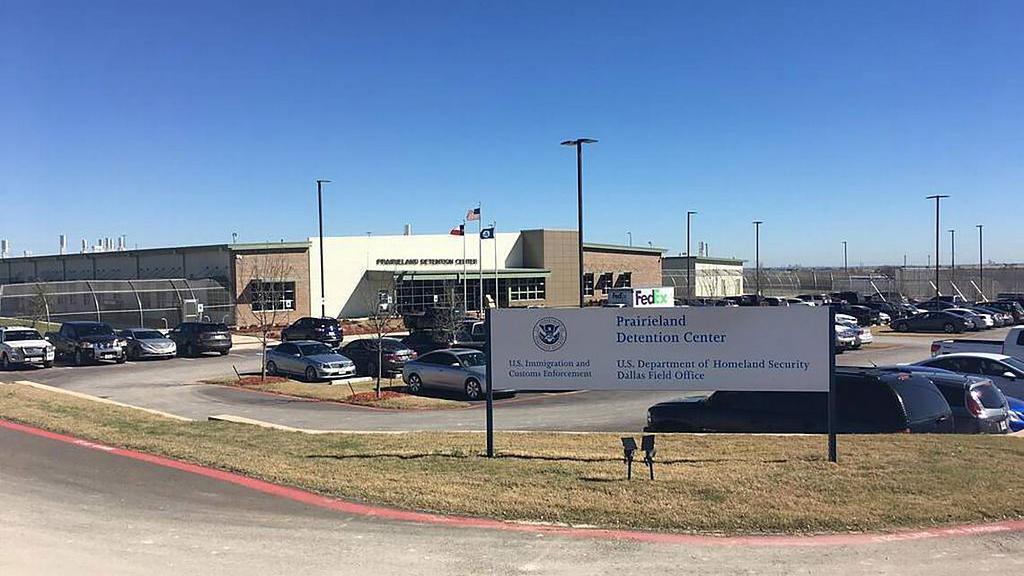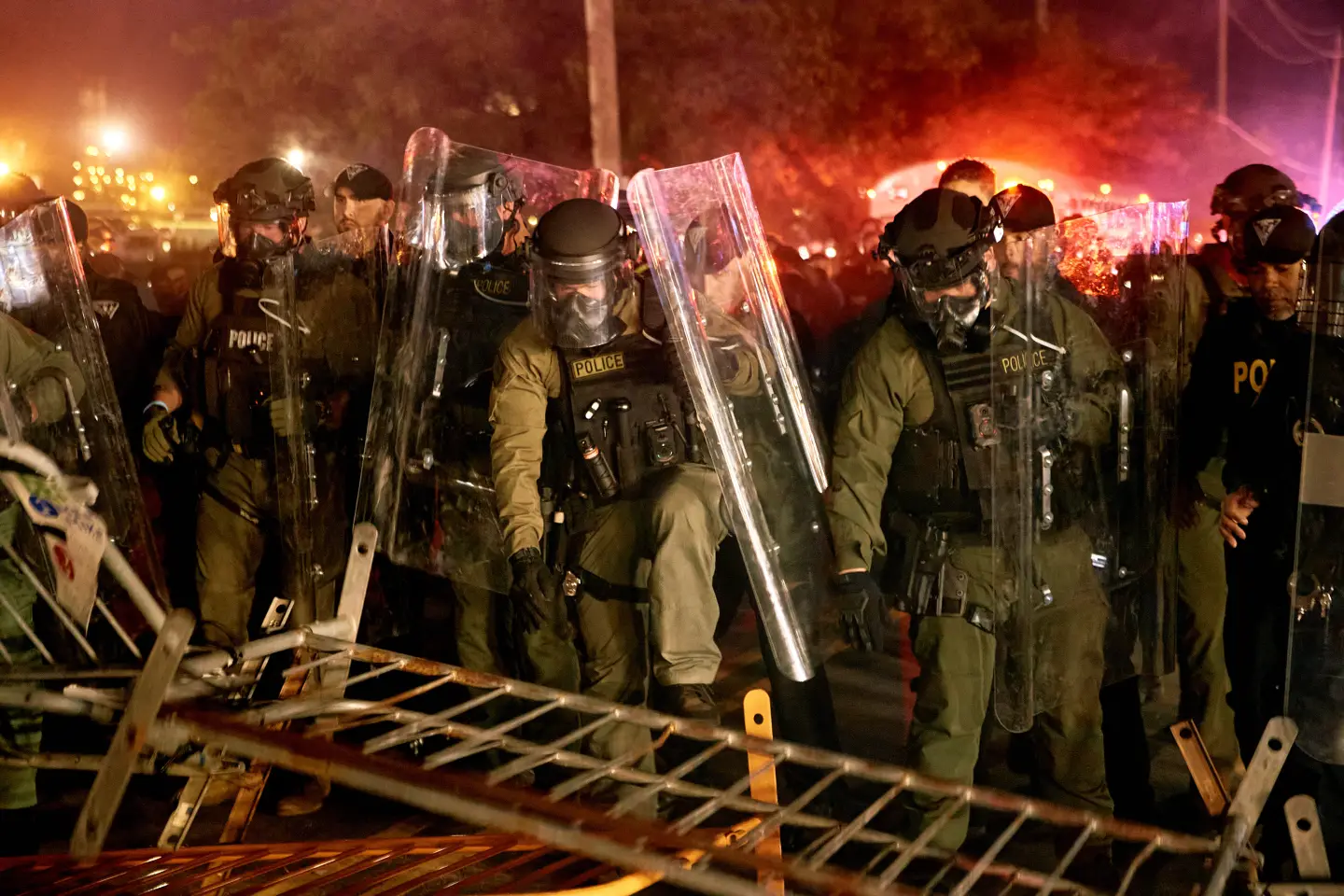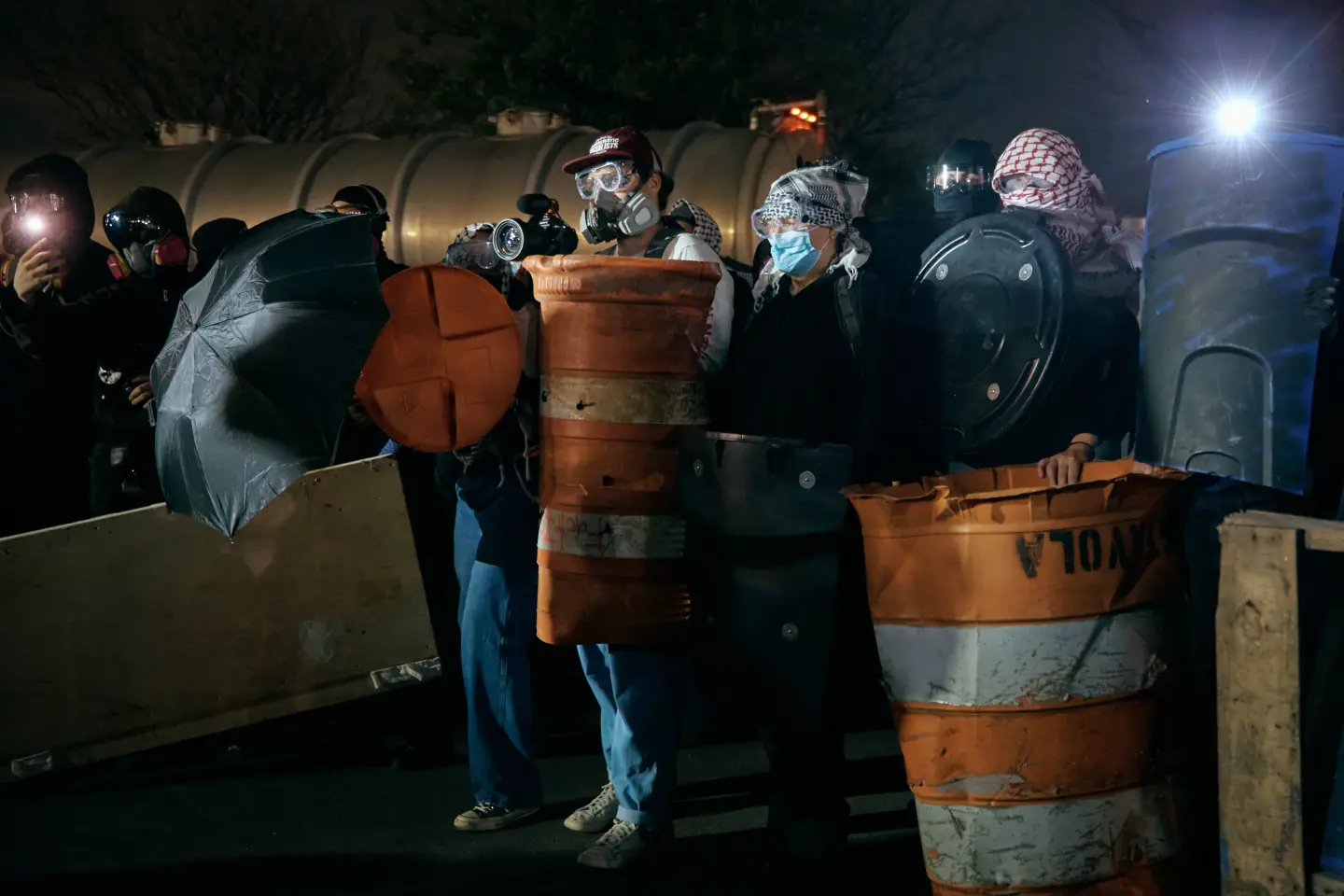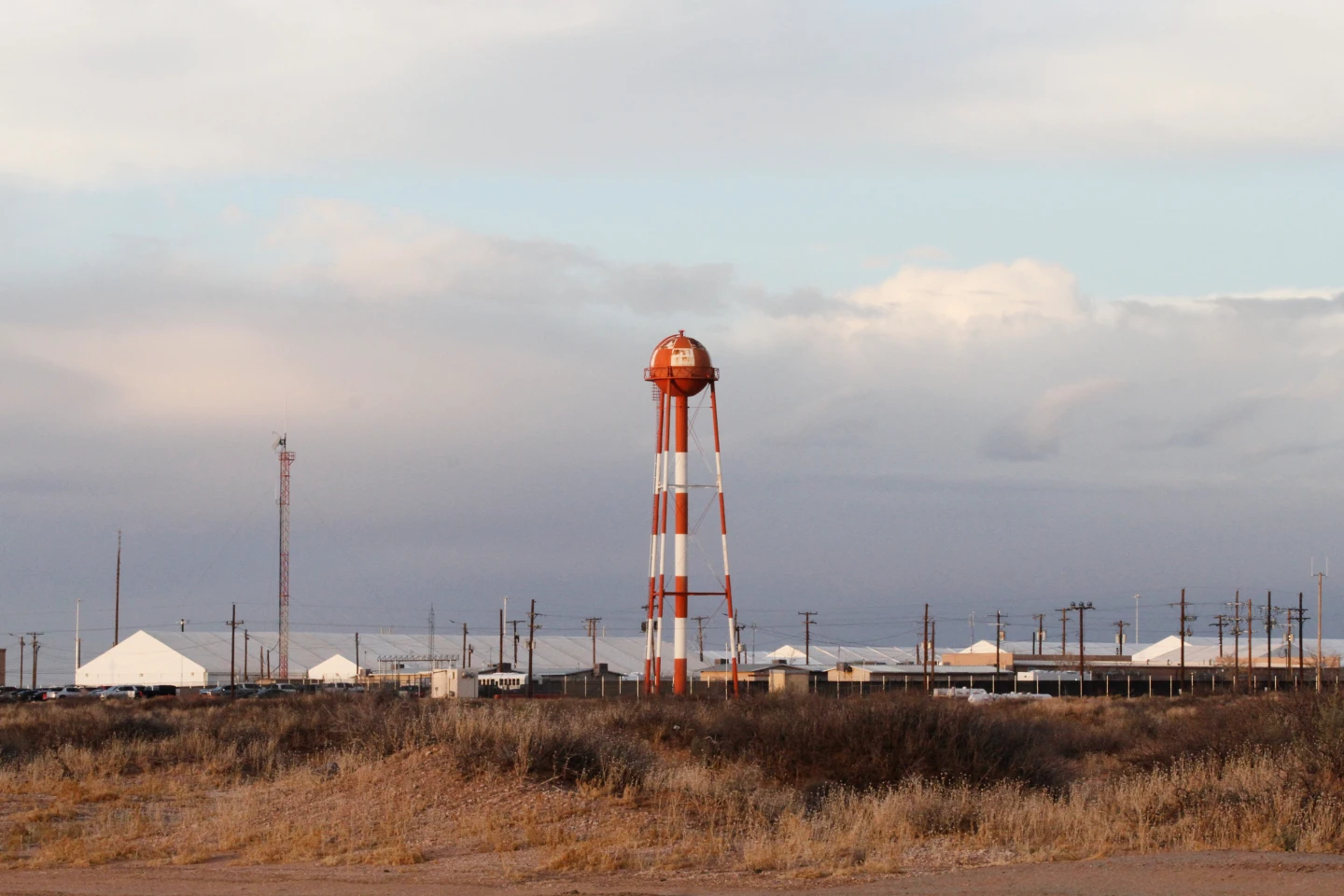
A recent inspection at the nation’s largest immigration detention facility has uncovered dozens of national standard violations that could expose detainees to excessive force, disease, and unsafe living conditions. The inspection, conducted over three days in February by the Immigration and Customs Enforcement's (ICE) Office of Detention Oversight, revealed 49 deficiencies encompassing issues related to use of force, medical care, and overall security. This report marks the first major oversight of Camp East Montana since it opened last summer.
Randall Kallinen, an attorney representing families of detainees, described the findings as 'scathing' and questioned the safety protocols in place. He expressed concern over several deaths reported at the facility, emphasizing that 'it's very dangerous,' and that detainees face not only the threat of excessive force but also inadequate medical and mental healthcare.
Congressional scrutiny has intensified as these findings emerge; notable is the facility's current capacity, housing nearly 3,000 detainees daily, primarily men awaiting deportation or transfer. In response to ongoing criticism, ICE’s parent agency, the Department of Homeland Security, has paused plans for new facilities intended to accommodate thousands more detainees.
The report outlined various serious safety issues, such as failures to monitor self-harm risks, unaccounted for security protocols, and insufficient medical responses to detainee grievances, with some complaints taking up to two weeks to be addressed. Despite these alarming deficiencies, the report did afford the facility an 'acceptable/adequate' rating, raising questions about the assessment standards of detainee care.
Lawmakers, including U.S. Representative Veronica Escobar, have voiced concerns that conditions may not improve due to the lack of accountability and oversight on ICE's part. Following the detrimental inspection, a more experienced contractor, Amentum Services, has recently taken over operations, promising better standards of healthcare and security.
This situation suggests a troubling trend within the U.S. immigration system, specifically regarding the treatment of individuals awaiting deportation. As the discourse surrounding immigration continues to evolve, the welfare of detainees remains a pressing concern, illustrating the ongoing need for reform in detention practices.