Delhi’s heatwave pushes surface temperatures beyond what air measurements show
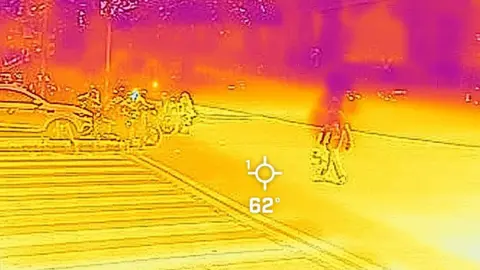
Across northern India’s capital, temperatures have been climbing steadily—a record 43.5°C has been logged by the Indian Meteorological Department. Yet physicists using infrared cameras carried by Greenpeace India have recorded surface temperatures—on concrete, parked cars and even the ground itself—pushing above 60°C in some spots.
The key difference is that official weather stations measure air temperature inside a canopy of 34 meters because of standardisation rules. Infra‑red tools, by contrast, capture the temperature of the surfaces people touch and breathe against. When a concrete bridge or a parked truck is exposed to direct sunlight, it can absorb and re‑emit heat far more than the surrounding air, making the “real feel” much hotter for pedestrians and drivers.
At the IIT flyover in south Delhi, probes recorded 42°C in shaded tunnels but spiked to 64°C in the hot glare of the midday sun. Moving just ten feet toward a tree dropped the reading to 39.8°C, a stark reminder of the importance of greenery and shade in mitigating heat.
Health experts warn that sustained exposure to temperatures above 40°C can trigger heat exhaustion, dehydration, and in severe cases organ failure. Dr. A Fathahudeen, a pulmonologist, stresses the urgent need for frequent hydration and light clothing, and recommends that authorities advise outdoor workers to avoid the peak heat window between 10:30 am and 3 pm.
The heatwave’s effects are most pronounced in Delhi’s densely populated market districts. A street vendor in Old Delhi, selling dry fruits on a street corner, reported a body temperature of 39°C but found the ground temperature so high that it climbed to 57°C a few inches away. He described a racing heart and intermittent dizziness as the intense heat forced him to seek brief respite under a solitary tree.
Similarly, a footwear stall owner in Chandni Chowk noted that a stone pillar near his booth reached 57°C. In a low‑lying neighbourhood in east Delhi, photographs show that a modest two‑room home does not escape the heat—outside readings hovered around 42°C and indoor temperatures were only slightly cooler at 40°C, with no window for air circulation.
Sociologists point out that Delhi’s climate has become increasingly erratic, with unpredictable monsoon and summer patterns leaving street workers—many of whom rely on daily wages—especially vulnerable. The rise in heat has also increased the likelihood of heat‑related injuries and reduced productivity.
While the city’s official weather stations provide vital data, thermal imaging highlights the hidden intensity of heat felt on the ground. The findings underline the need for urban planning reforms that increase tree cover, widen pedestrian pathways, and create shaded public spaces to protect citizens from the rapid escalation of urban heat islands.
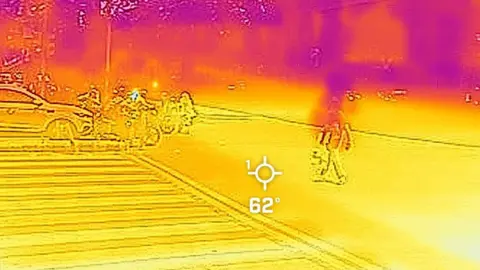
Thermal camera recorded temperatures above 60°C at the IIT flyover crossing.