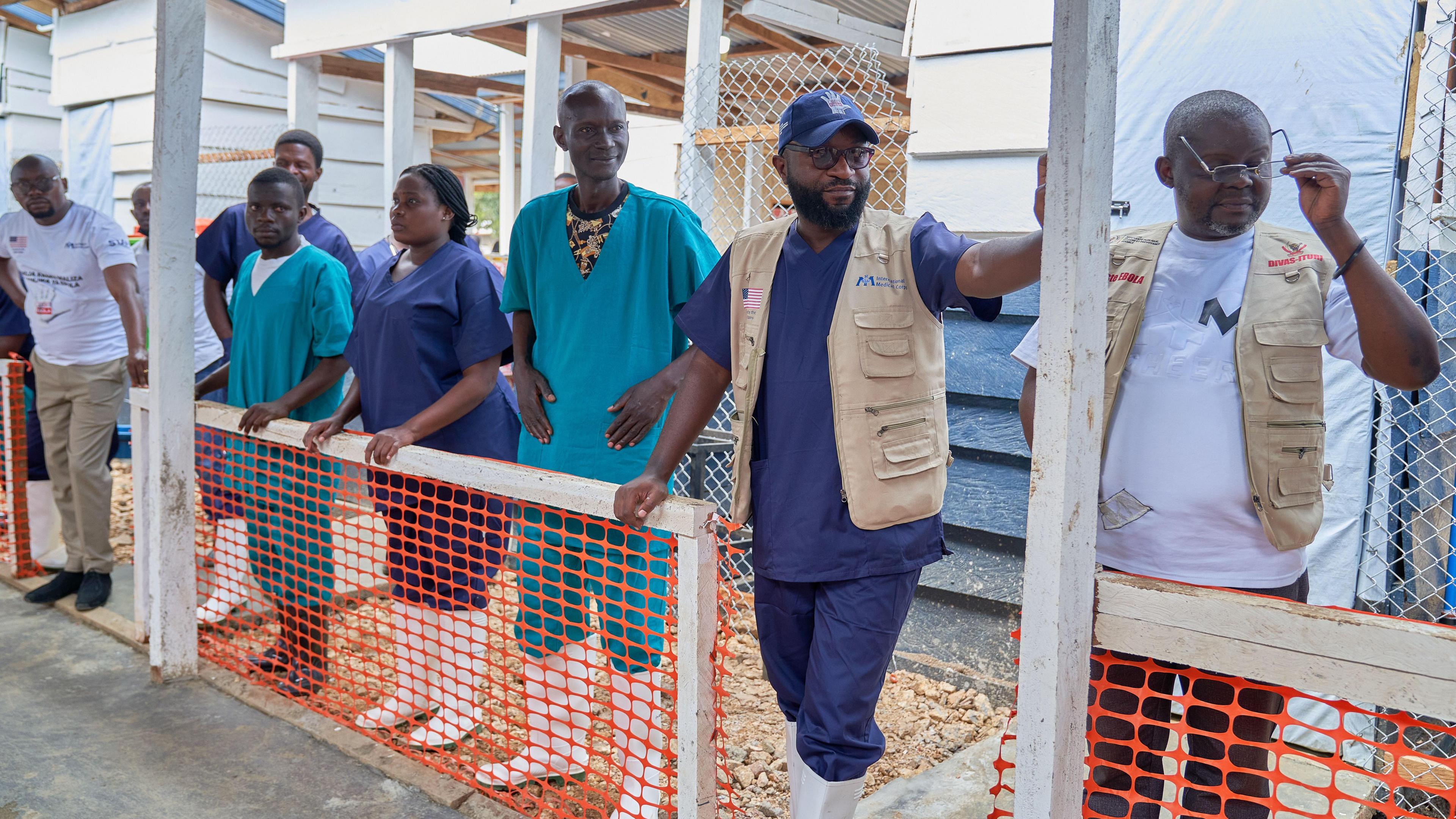
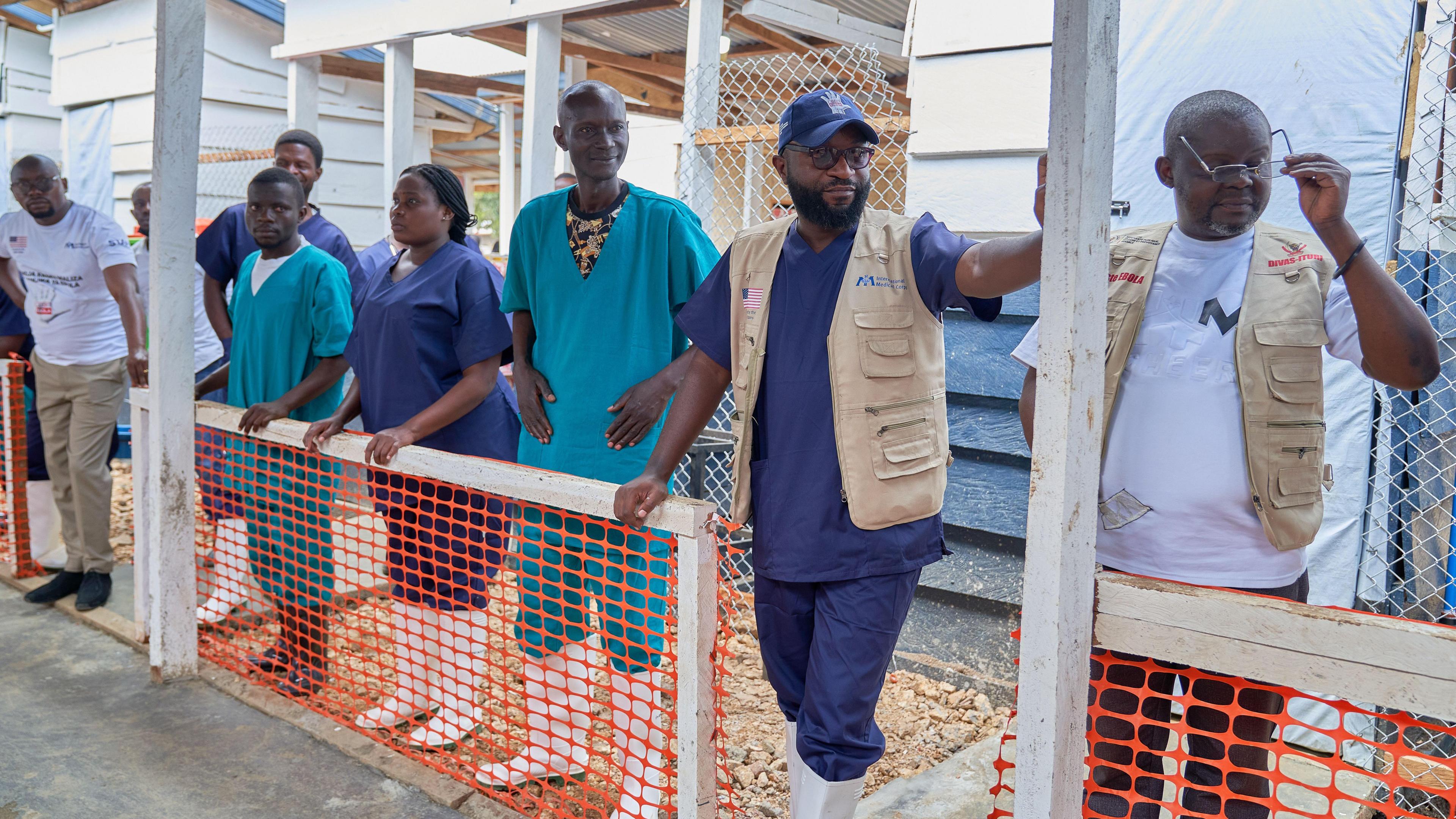
The Democratic Republic of Congo (DR Congo) is now facing its deadliest Ebola outbreak in history. Public health officials report a toll of 2,325 deaths since the epidemic was declared on 15 May, surpassing the 2018‑2020 outbreak.
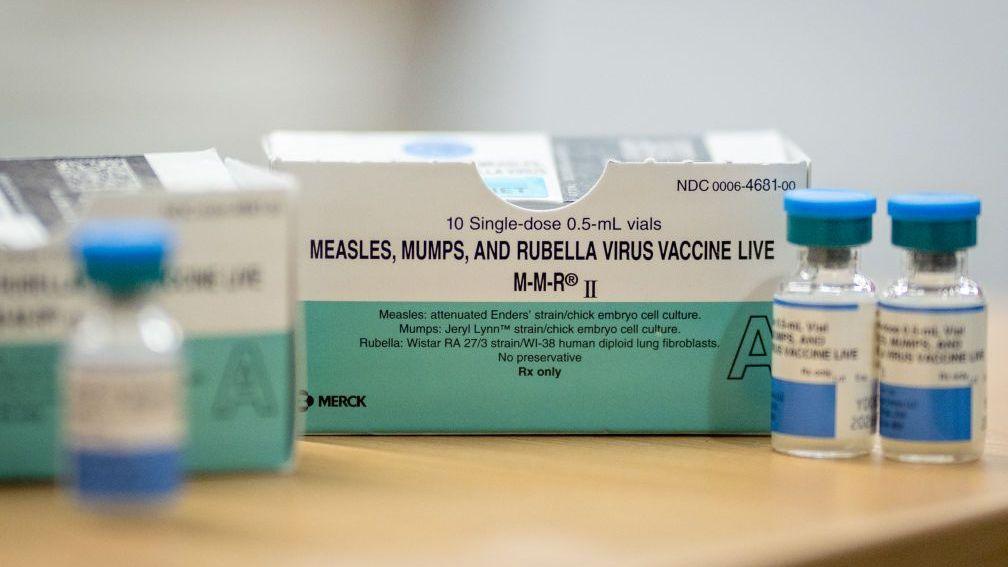
Health authorities say the virus is spreading rapidly across six provinces, with a new death reported every 30 minutes. The outbreak involves a Bundibugyo strain, for which no licensed vaccine currently exists, though several candidates—one leveraging technology used in the AstraZeneca COVID‑19 vaccine—are in trial phases.
As of 20 August, 4,945 confirmed cases have been documented in DR Congo. Internationally, Uganda has confirmed 20 cases, Germany has treated two patients, and France has reported one case.
The World Health Organization acknowledges the extraordinary pace of transmission and aims to reverse spread within three months. The organization notes that “reversing spread” means curbing transmission to a manageable level, not eradication.
DR Congo’s history of conflict and a highly mobile population has historically complicated containment of the virus. Outbreaks have occurred 17 times in 50 years, intensifying the health system’s challenges.
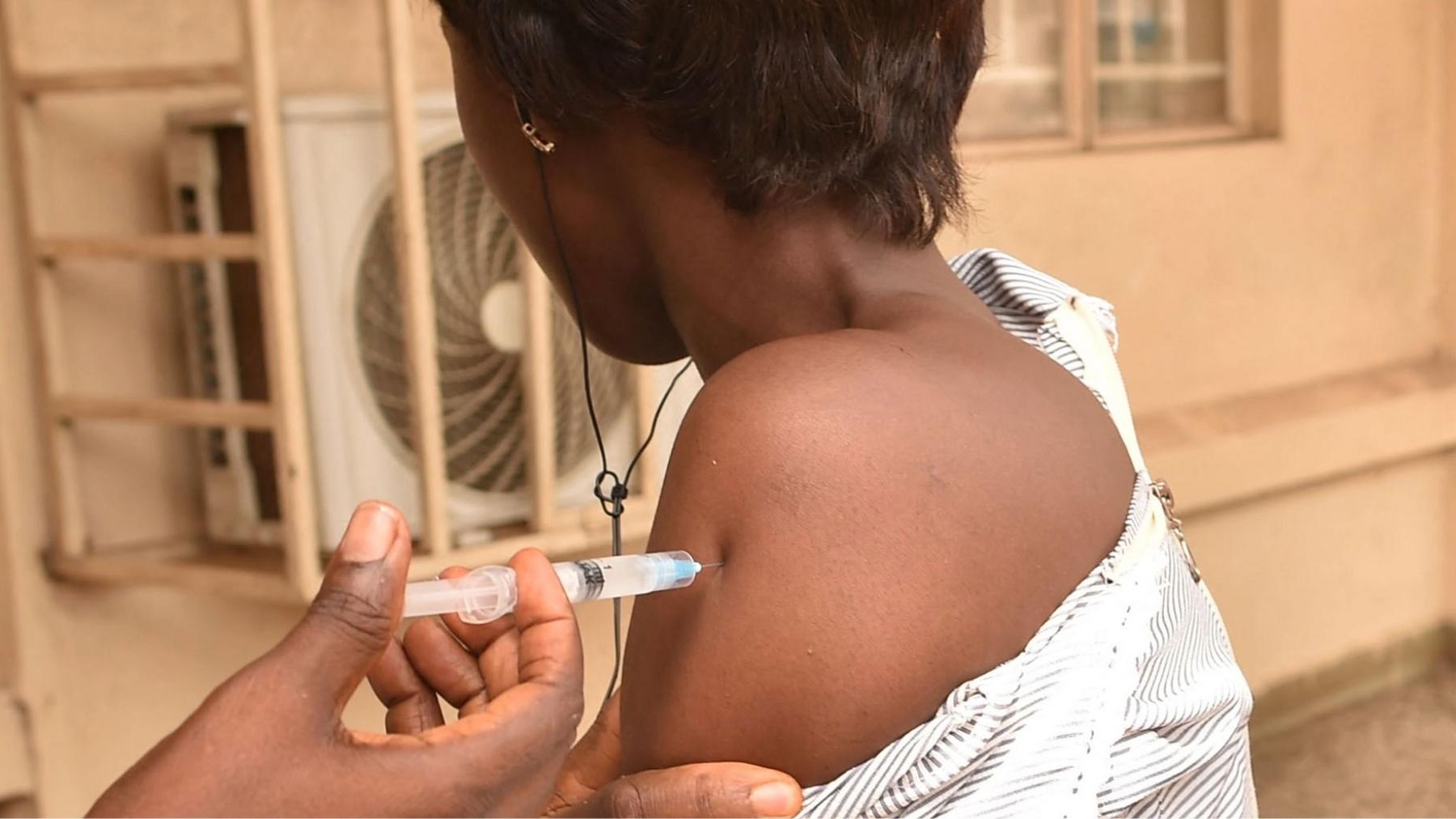
Vaccination efforts are progressing, with the UK's Medicines and Healthcare products Regulatory Agency granting permission for the first human trials of a Bundibugyo vaccine developed by a team at the University of Oxford. Three other research groups also pursue alternative vaccine options.
In addition to vaccine development, the WHO is sponsoring clinical trials to evaluate the effectiveness of two existing antiviral therapies in reducing mortality.