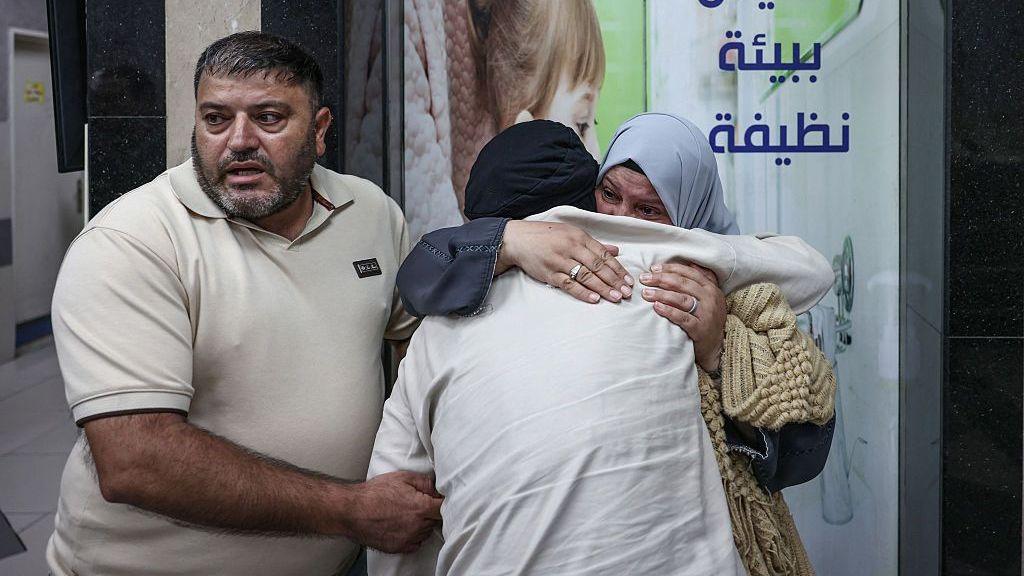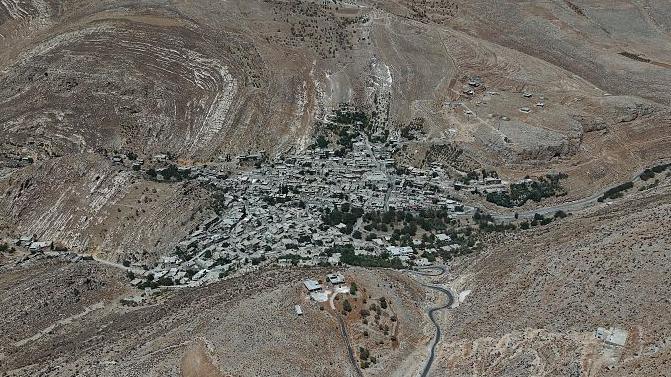
In Qusra, a village in the occupied West Bank, Israeli settlers blocked the road leading to the homes of two Palestinian families, cutting off their utilities and leaving them isolated for days.
During that time, a group of activists—some of whom held civilian identity cards—delivered water and food supplies to the besieged houses. Due to the presence of Israeli soldiers, the aid could not be handed directly to the residents and had to be left in a clearing outside the property.
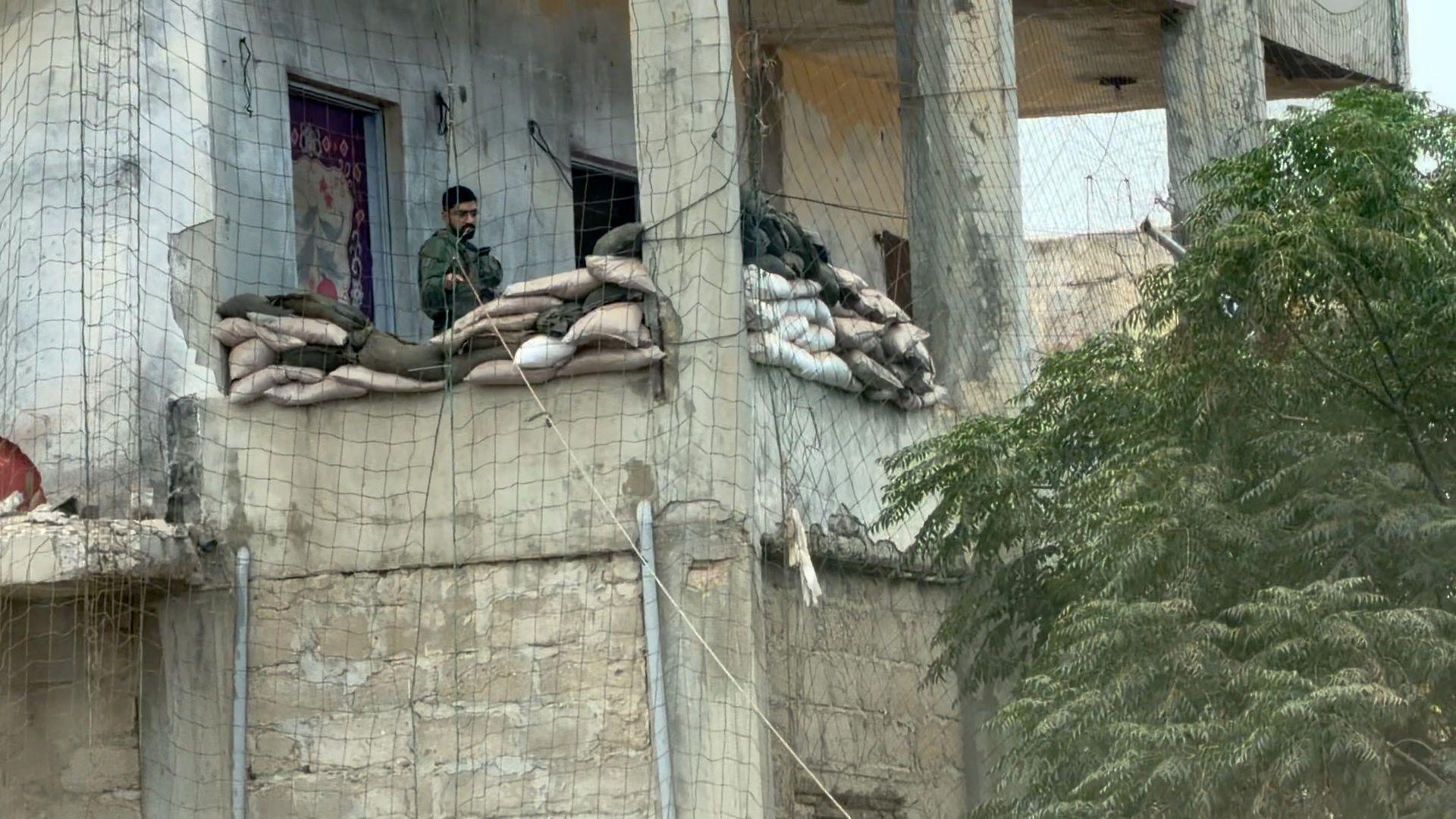
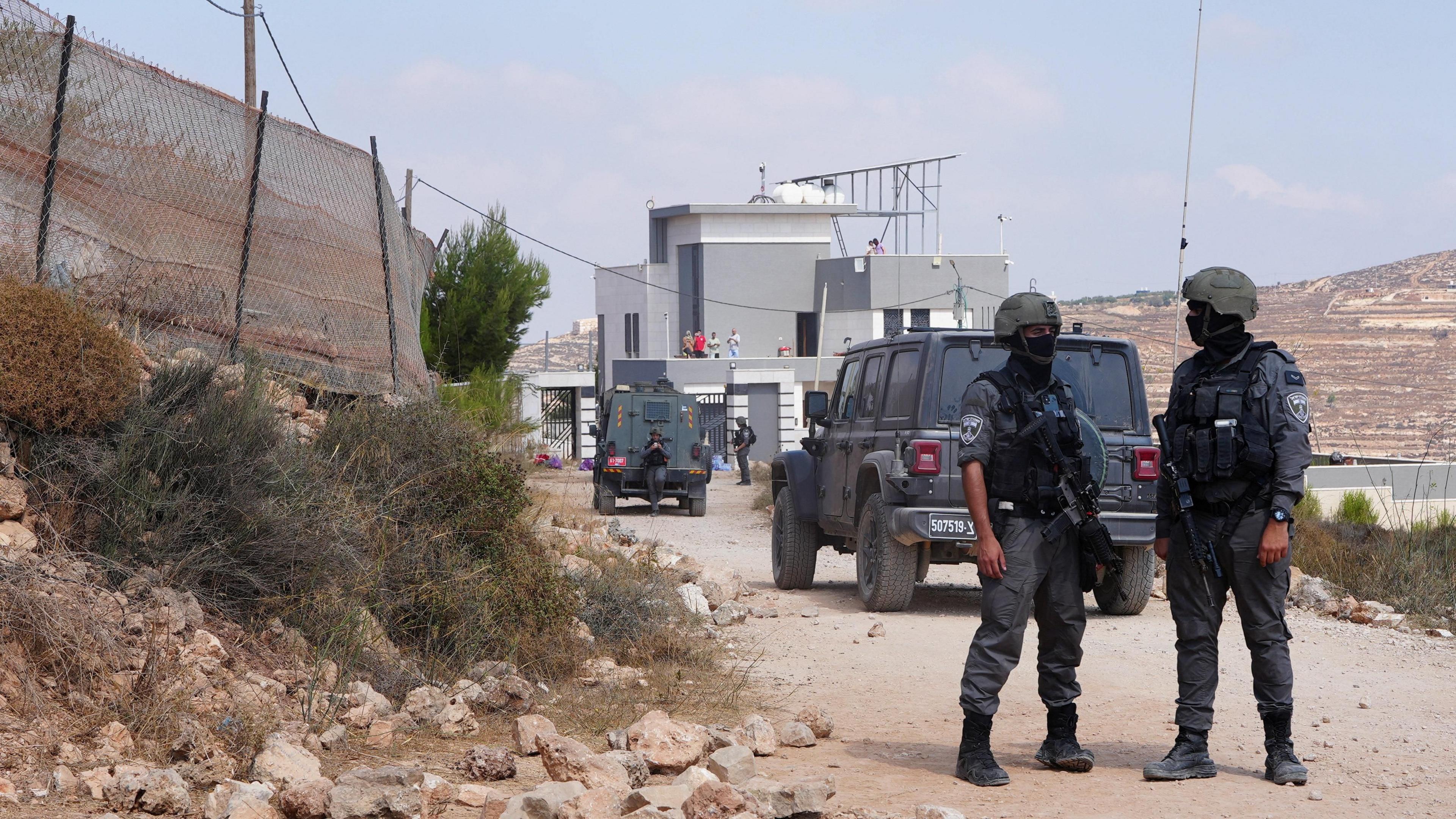
Israeli Defense Forces (IDF) said Qusra was a "closed military zone" and clarified that civilian activists were not permitted to enter. The IDF further stated that the activists had not been blocked from transporting aid, but they could not transfer it directly to the families.
The same Friday, settlers erected a tent near the homes the day after a military operation that had dispersed them earlier. The IDF then removed the tent, claiming it would safeguard the local residents.
Qusra’s mayor, Abdul Azim Wadi, told the BBC that Israeli soldiers had used some vacant Jewish‑family houses as temporary barracks, a fact that the IDF defended as part of its intent to "protect the residents."
The Israeli military has repeatedly issued statements condemning the settler actions as "deplorable" and "unacceptable," vowing to investigate and arrest those directly involved.
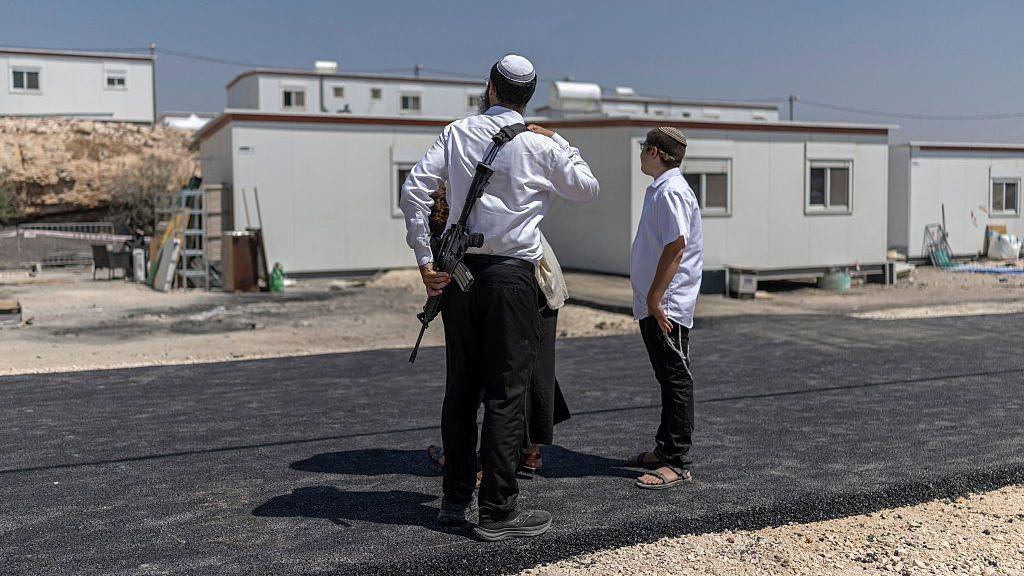
Such incidents underline how Israeli civilian settlers continue to place Palestinian families under siege. In the past, settlers have forced Palestinians out of their homes and seized properties, while the Israeli government pushes for rapid establishment of new settlements, despite international law deeming them illegal.
Since January 2023, 127 Palestinian communities in the West Bank have suffered partial or full displacement, affecting more than 6,390 residents according to the United Nations. In 2026 alone, around 3,800 Palestinians, nearly half of whom are children, have been displaced by settler violence, demolitions and evictions.