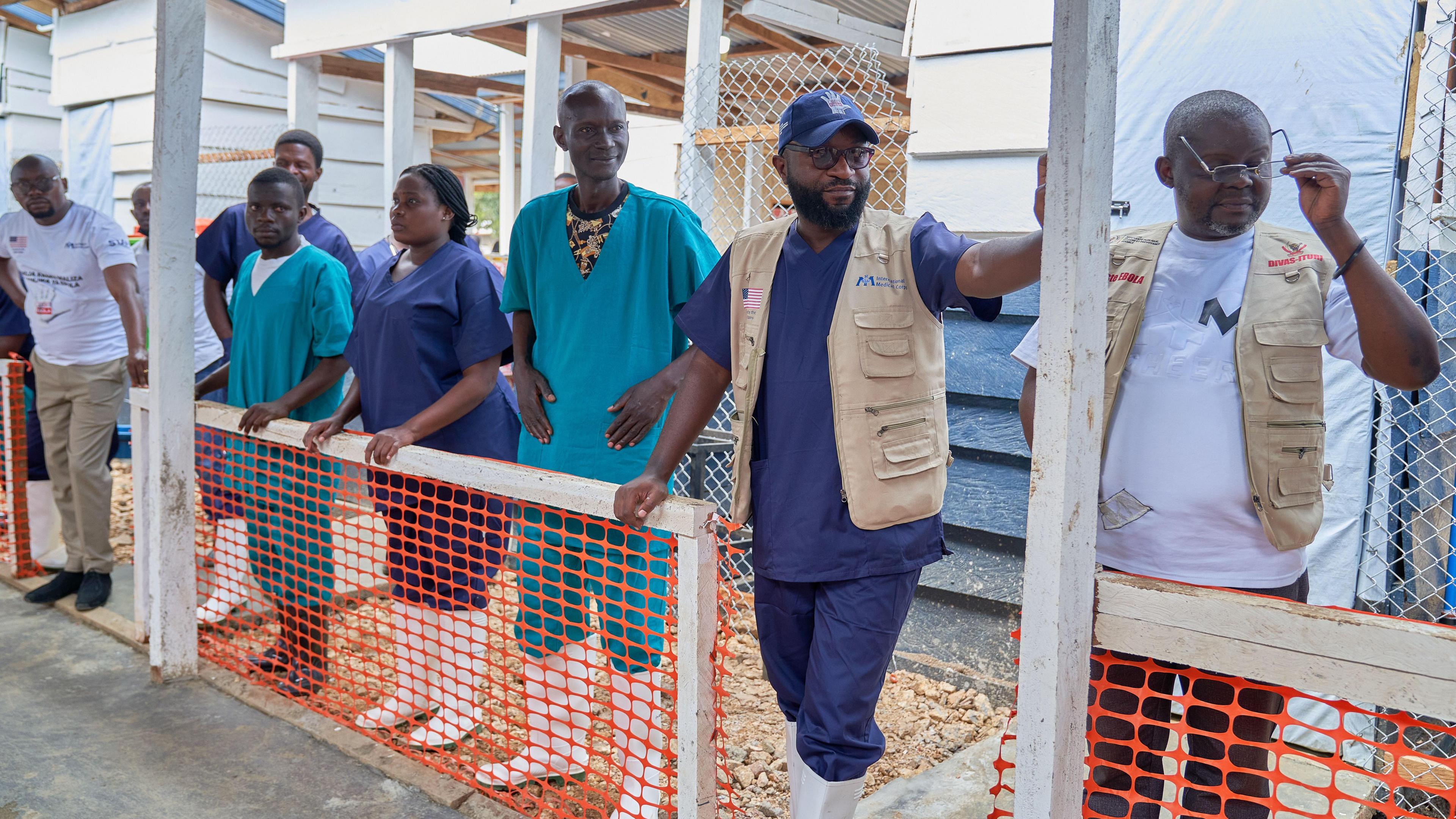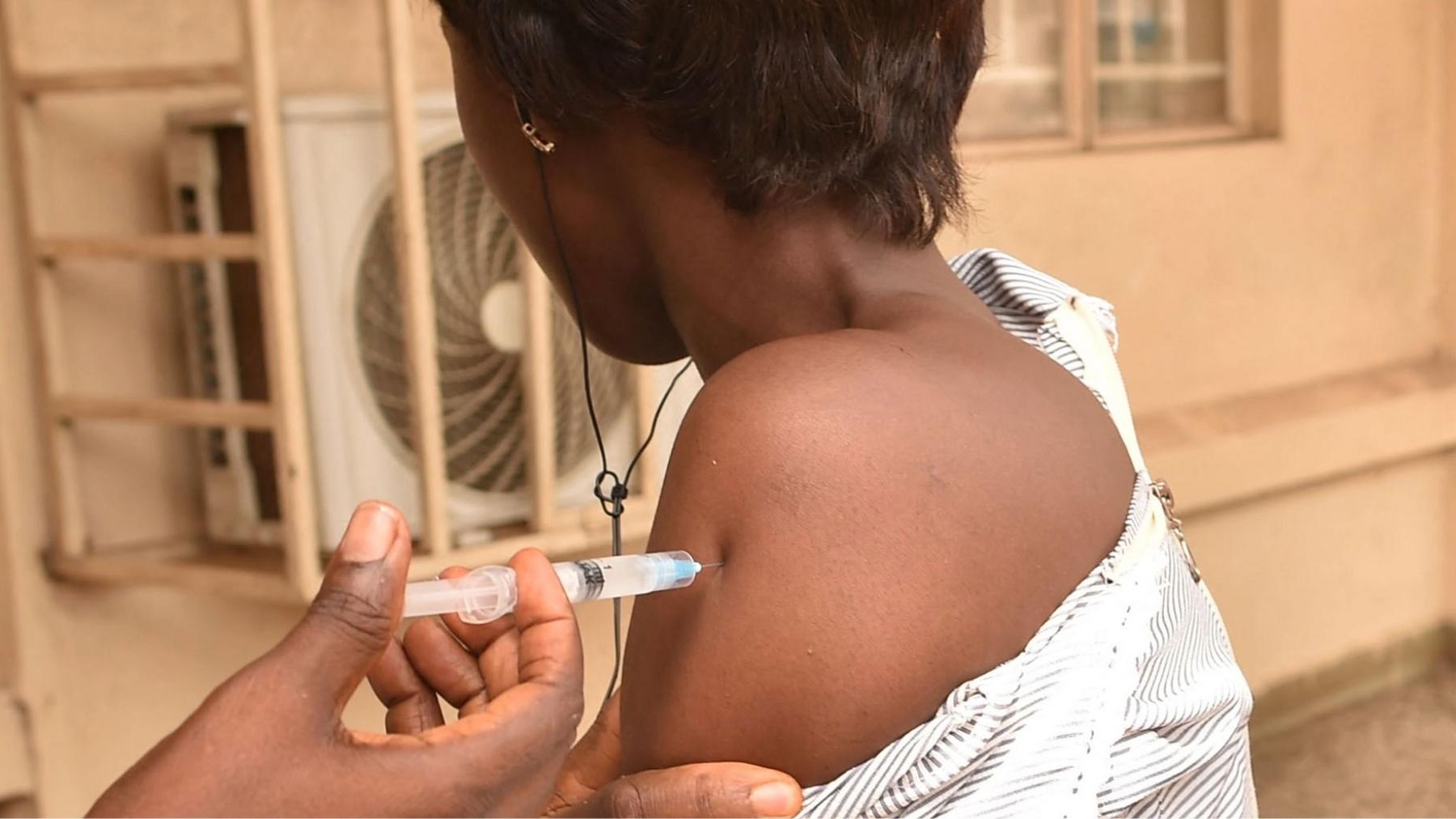
In the Democratic Republic of the Congo, the government has begun rollout of the Ervebo vaccine while a segment of the supply will be used in a clinical trial to test its safety and effectiveness against the Bundibugyo strain of Ebola.
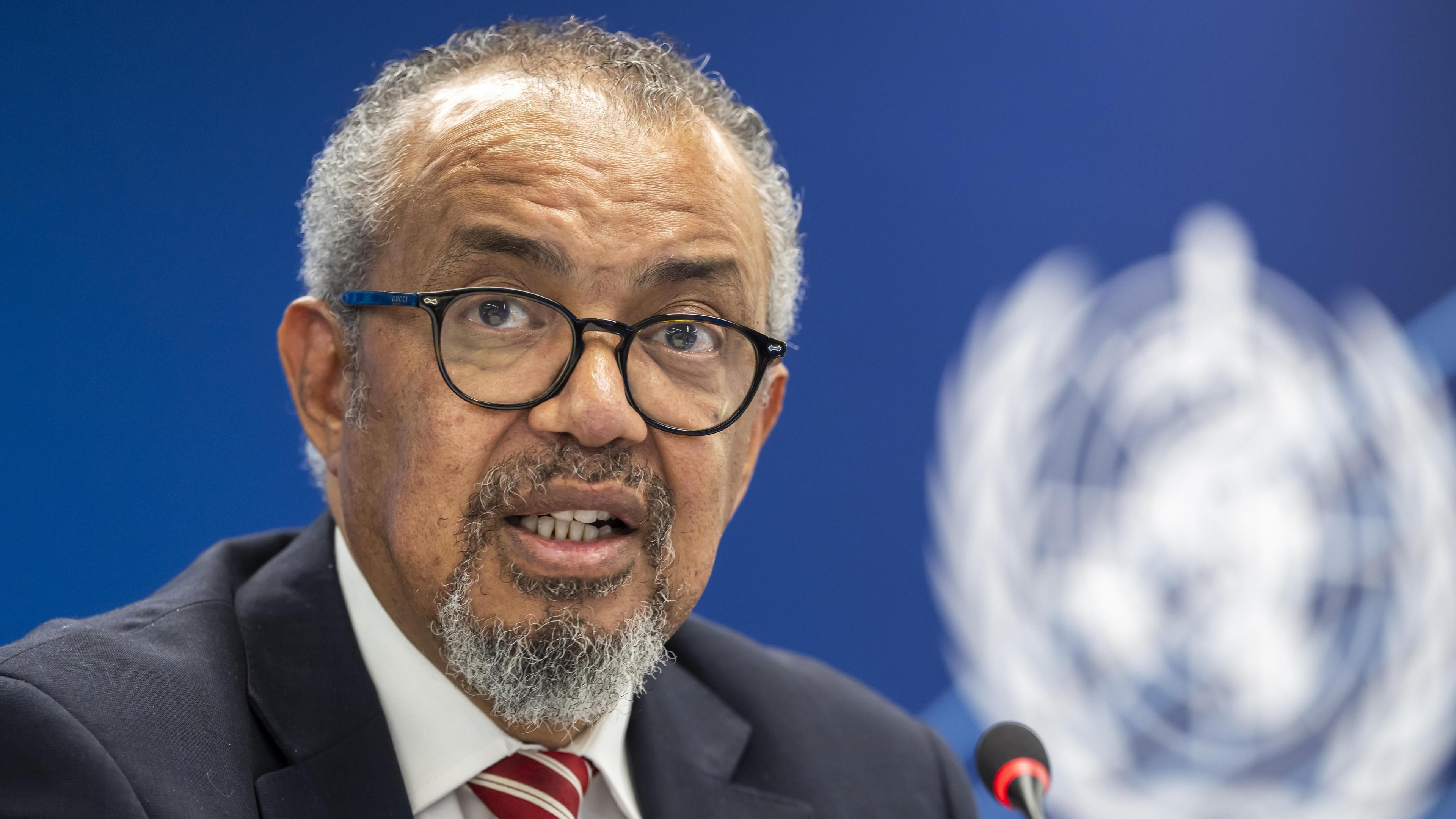
The vaccine has proven effective for the Zaïre species, but no proven vaccine exists for Bundibugyo, the strain that is currently spreading at an alarming rate. The World Health Organization noted that the outbreak has now spread across an area larger than France, with death toll approaching 2,500 since the disaster was declared three months ago.
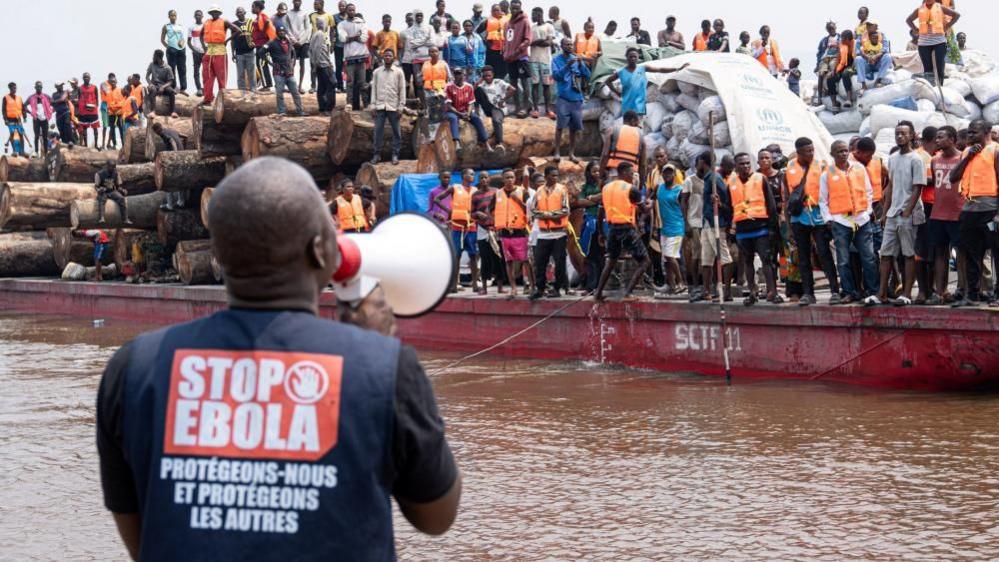
Experts warn that a single month saw half of those deaths, signaling a rapid increase in both infection rate and geographic reach. The outbreak continues to worsen as authorities grapple with the difficulty of reaching isolated communities and the challenge of misinformation that fuels distrust of health workers.
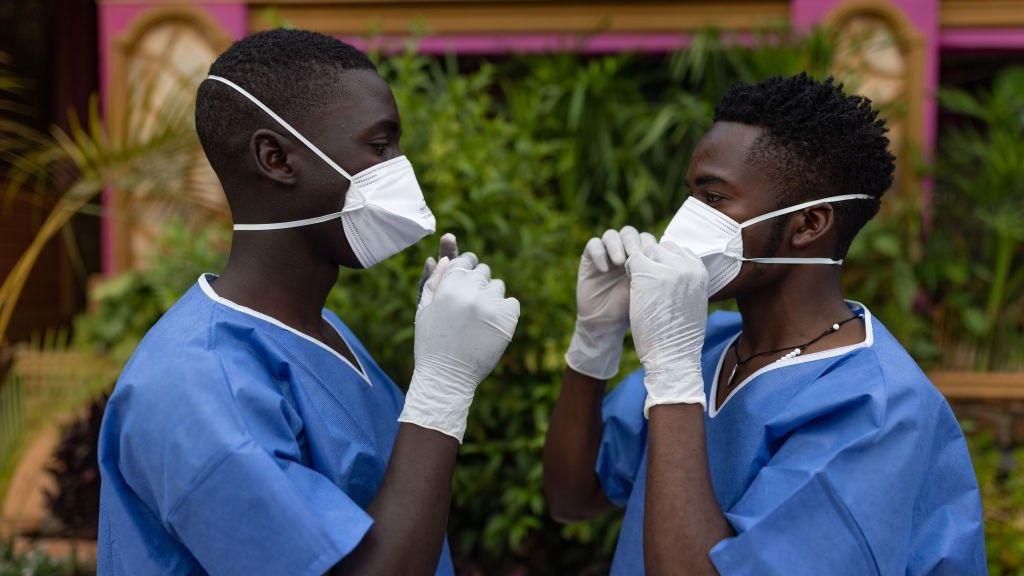
The clinical trial will ensure 20,000 vaccine doses are evaluated for safety and efficacy, whilst 50,000 doses will be given to frontline medical staff across the country’s most affected zones. WHO and the Africa Centre for Disease Control described the move as a vital reinforcement of the national response.
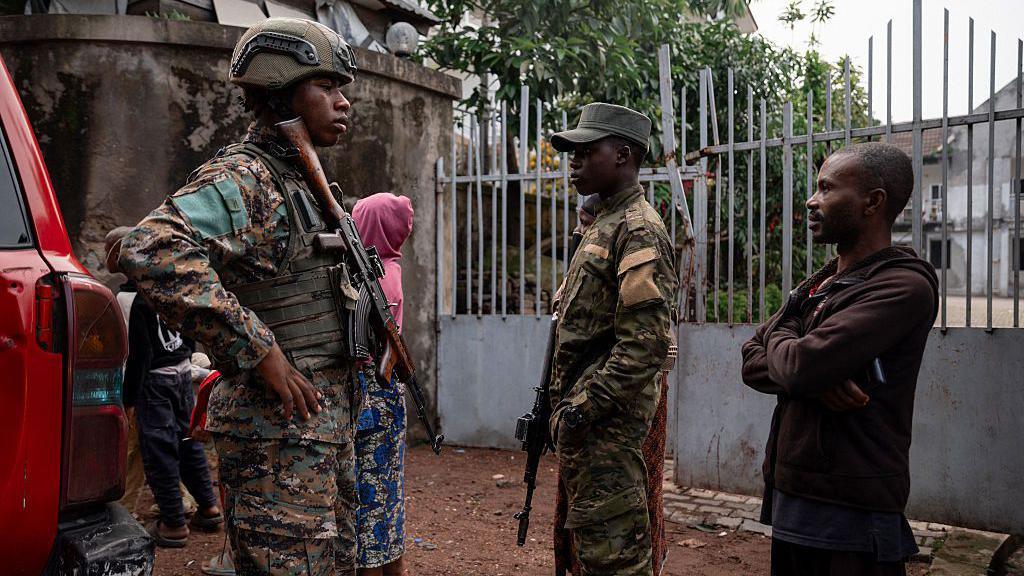
Complicating the response, the M23 rebel group that controls portions of North Kivu province has imposed one‑month restrictions on transport between government‑held and rebel‑held areas. Shared taxis and passenger boats were paused, and only other forms of transport are allowed under stringent health checks after two residents tested positive for Ebola in a rebel‑controlled village.
These restrictions are part of a broader effort to contain the virus in a region where conflict, fragmented governance and local customs create obstacles to large‑scale public health interventions.
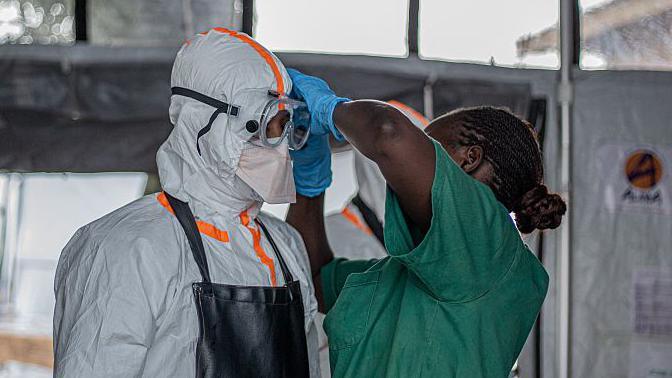
Bundibugyo is a rare β‑CoV, recognized by only two prior outbreaks. Its symptoms begin with fever and body aches before progressing to vomiting, diarrhoea, organ failure and death. The virus spreads via contact with infected bodily fluids, emphasising the need for ongoing precautions, especially in funeral practices where traditional rituals expose families to the virus.
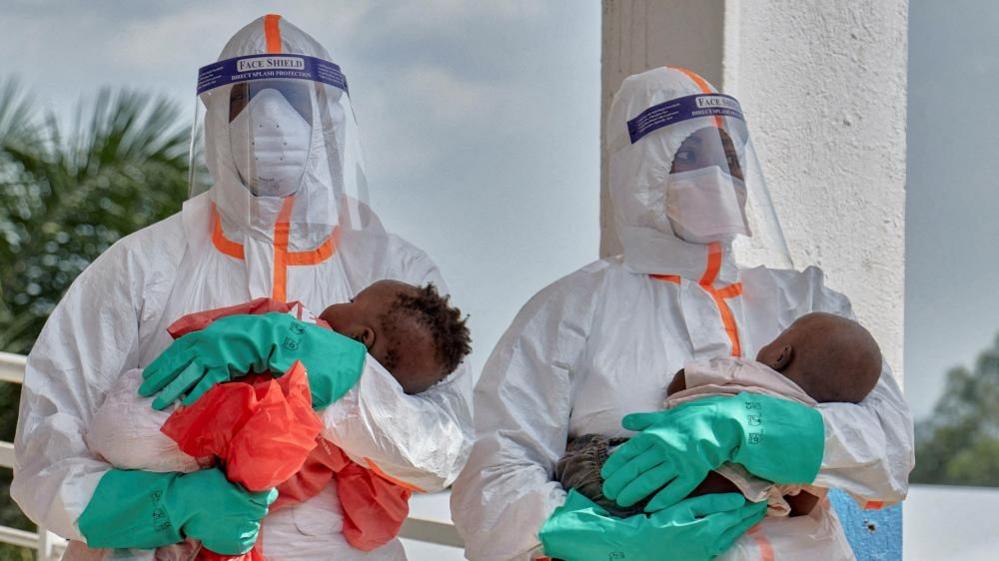
For families impacted by the outbreak, the loss of parents or caregivers has now reached 180, according to Save the Children. This level of bereavement highlights an urgent need for psychological support and community measures to curb the spread while protecting lives and livelihoods.
With the rollout, WHO hopes vaccinating health workers and using a trial on the likely‑most‑dangerous strain may turn the tide in this hard‑to‑control outbreak. The combined efforts, while hampered by ongoing conflict, remain a global priority to reduce loss of life and restore stability to the affected regions.