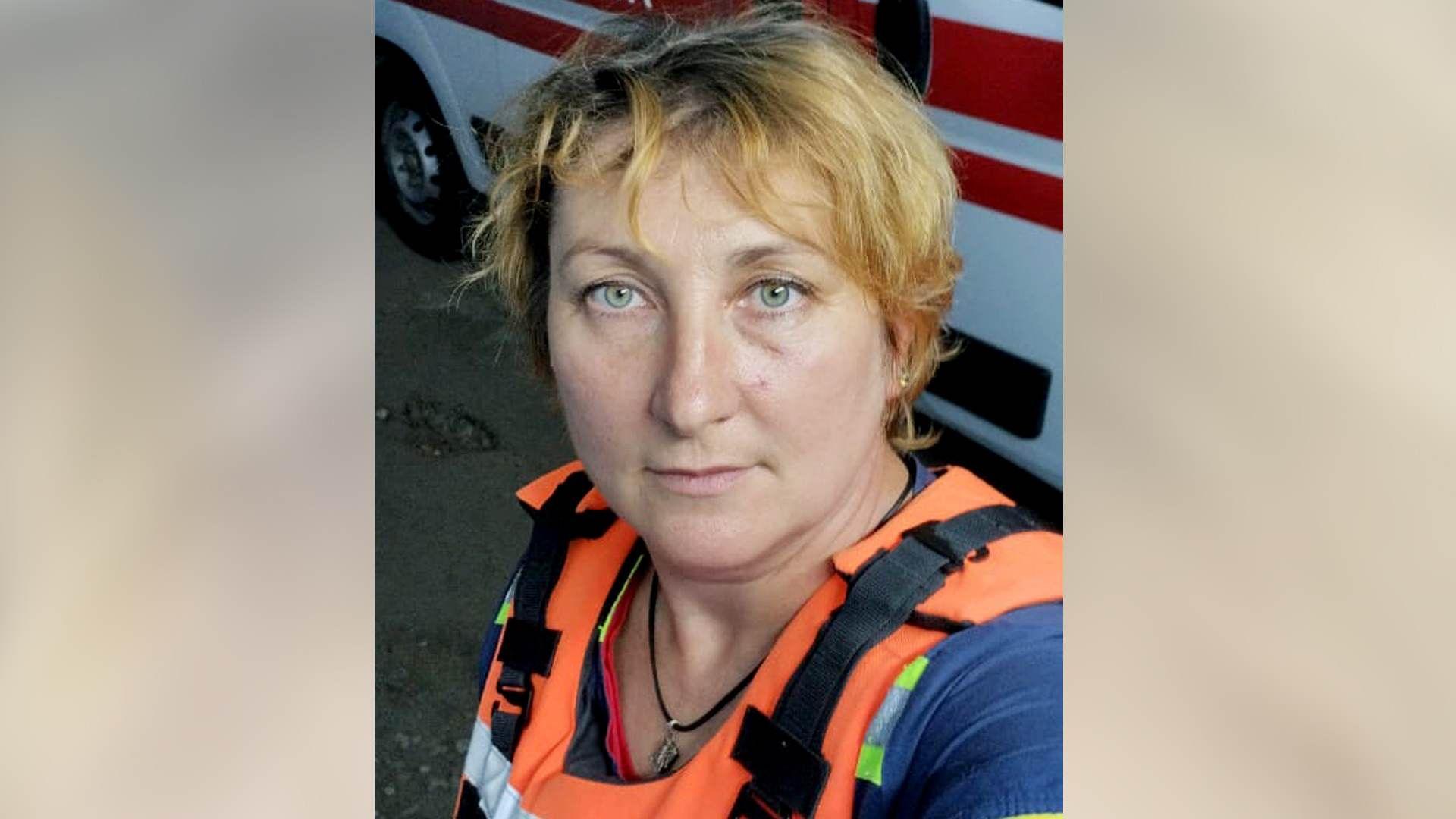
In the city of Kherson, a Ukrainian paramedic named Inna Lytvynenko was on a routine emergency call when a Russian FPV (first‑person view) drone struck her ambulance. The drone’s impact forced her to flee on foot, chasing the aircraft for around ten minutes before it eventually disappeared over the horizon.
"I panicked. I grabbed my trauma bag and started running," Lytvynenko recounts. "I shouted and screamed. I knew that if I stopped, I would die." The traumatic incident was part of a broader pattern of drone and missile strikes on health‑related infrastructure across Ukraine.
Health‑organisation doctors’ forums and the World Health Organization (WHO) have documented 3,118 attacks on medical facilities since the Russian invasion began in February 2022. This represents an average of two attacks per day, with a 30% increase in 2024 and a further rise in 2025. According to WHO’s Dr Jarno Habicht, these strikes, which include ambulances that make up 20% of all healthcare attacks, signal a deliberate strategy rather than incidental collateral damage.
"Hospitals and ambulances in Ukraine are increasingly under attack, even though the Geneva Conventions require them to be protected," said Habicht. “This new normality should not be accepted.”
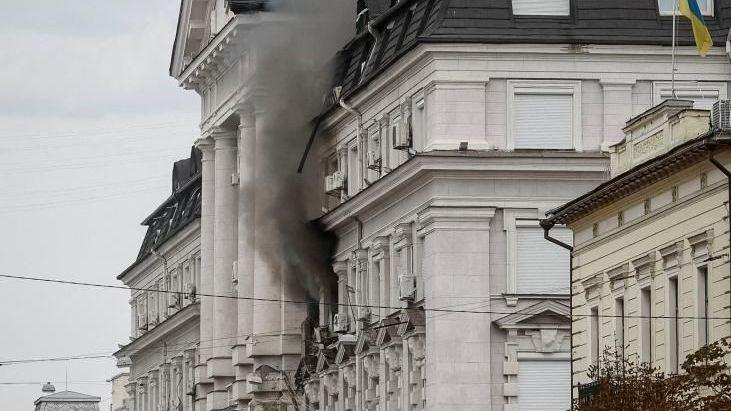
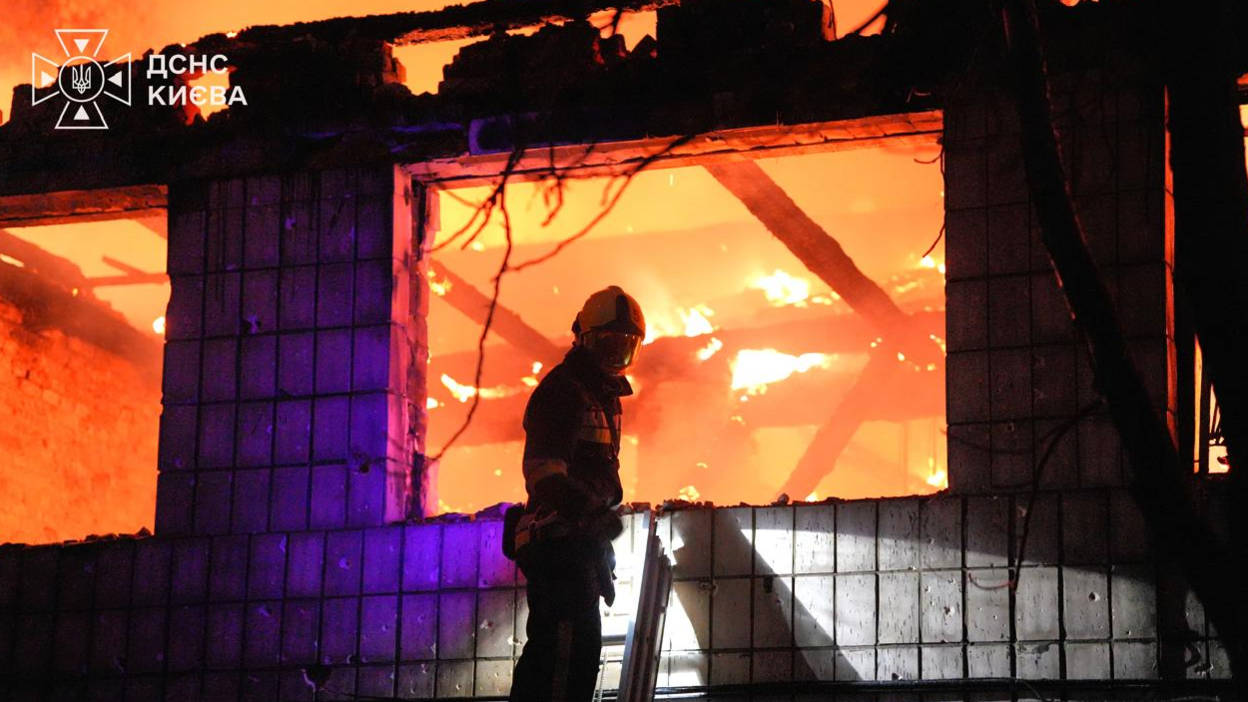
A recent report by Doctors Without Borders (MSF) confirms the systematic targeting of Ukrainian medical facilities, stating that such attacks have become a sustained feature of the conflict. Reports describe multiple missile strikes on a Kherson hospital that killed a doctor and caused significant structural damage.
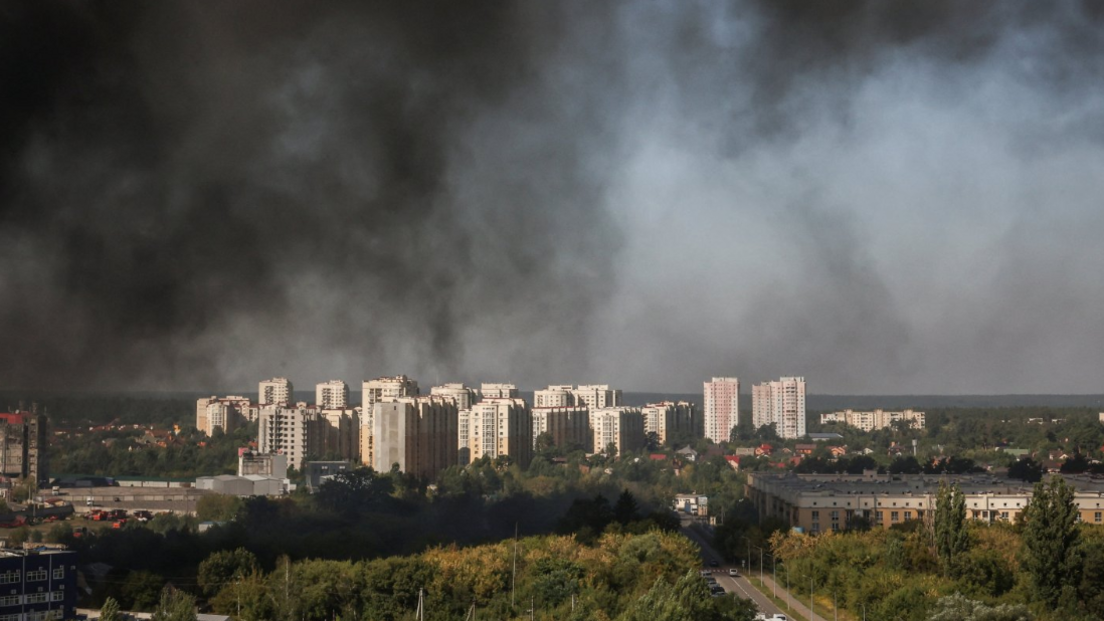
The attacks follow a so‑called “double‑tap” tactic used by Russian forces: targeting the same location twice in quick succession, often to hit first responders arriving after an initial strike. During a large air assault on Kyiv, a second strike on the same site killed seven people, including a police officer and a volunteer.
Lytvynenko noted that her ambulance was clearly marked and she wore uniform identifying her as a medical worker. She believes that the drone operator deliberately chose her target, underscoring the need for clearer protection for medical personnel.
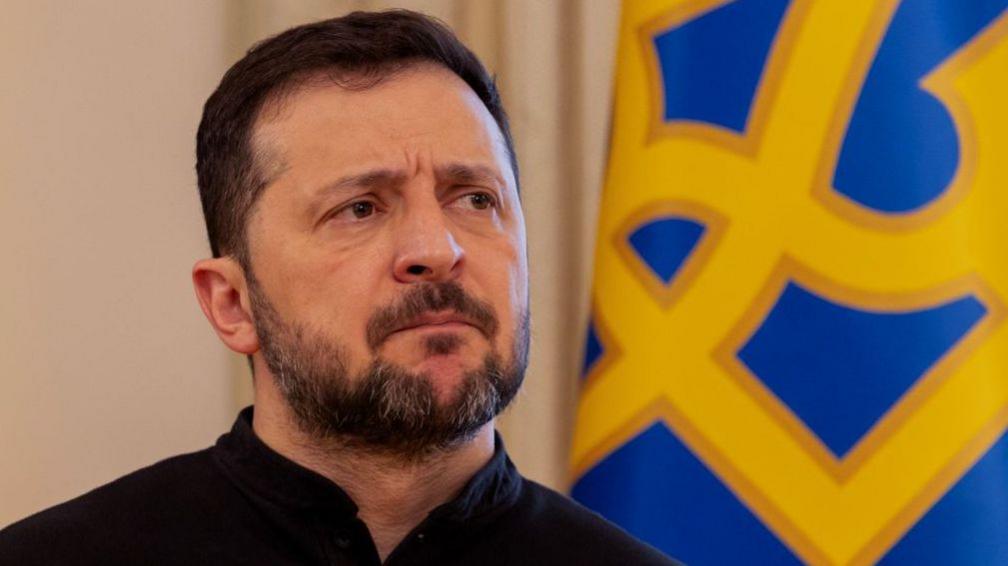
In response to the growing number of attacks, President Volodymyr Zelensky has urged international actors to increase pressure on Russia to cease deliberate hunting attacks on civilians. The international community faces the challenge of enforcing adherence to international humanitarian law amid escalating drone warfare.
While missile and drone strikes can be indiscriminate, FPV drones allow pilots to see a live feed from the aircraft’s camera, suggesting a level of intentional targeting. The ongoing attacks on medical infrastructure risk cutting off access to essential healthcare for civilians close to the frontline, especially the elderly and those with chronic conditions.
As the war continues, the changing range of both Ukrainian and Russian drones has forced healthcare providers to retreat further from the frontlines. MSF, for instance, stopped regular visits to 80 villages near the frontline and paused ambulance services in Sloviansk due to heightened risk.
These developments underscore the urgent need to uphold the protections afforded by international law and to safeguard medical personnel and facilities from targeted attacks.