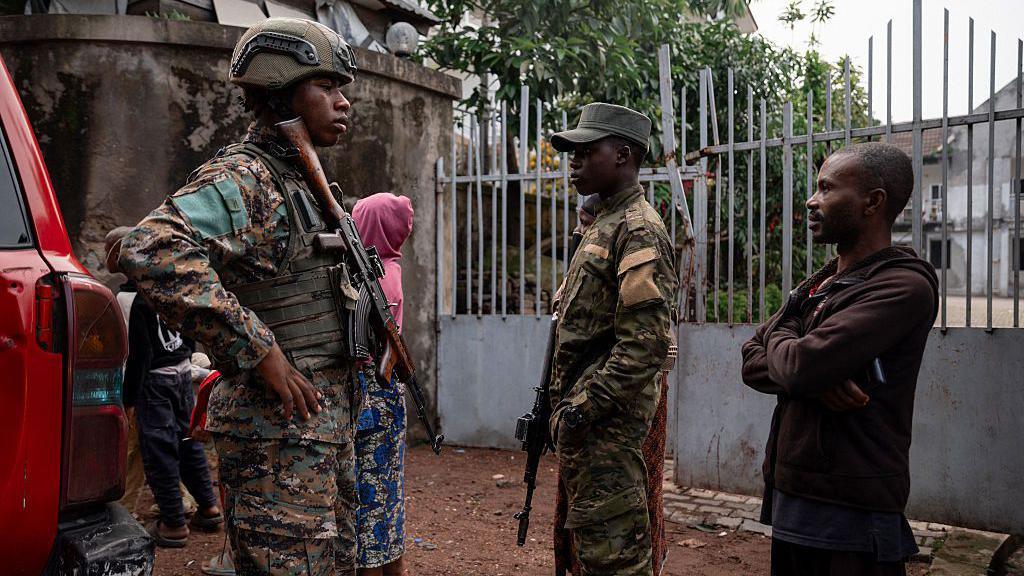
DR Congo and M23 Rebels Outline Roadmap for Peace Talks
In a joint statement issued after five days of mediated talks in Geneva, the Democratic Republic of Congo government and the M23 rebel group—widely reported to receive backing from Rwanda—announced a structured plan to revive stalled peace negotiations. The agreement draws on the Doha Framework signed in 2025, promising a phased approach to dialogue and publicizing a mechanism to monitor ceasefire violations.
Key features of the roadmap include a sequence of negotiations, timelines for each stage, and an openness to “flexibility and creativity” in implementation. The parties also set up a secretariat tasked with reviewing progress and addressing challenges as the agreement takes hold. A verification mission, slated for the following Monday, will inspect ceasefire observance in Minembwe, an area of South Kivu that has seen frequent skirmishes.
Despite these concrete steps, differences persist. The Congo government insists on sanctions against M23, while the rebels call for the release of detainees and question the timing of political reforms. Both sides also accuse each other of violating ceasefire commitments in Northern and Southern Kivu, underlining the delicate balance required to maintain the fragile truce.
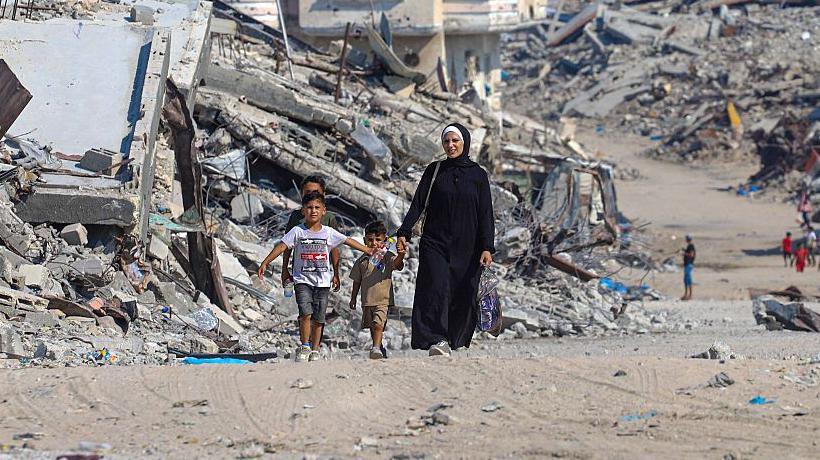
The wider conflict is compounded by long‑standing tensions between DR Congo and neighboring Rwanda. Rwanda claims the Congolese government has failed to dismantle the Democratic Forces for the Liberation of Rwanda (FDLR) – a group it labels a threat – while DR Congo denies fostering the FDLR and counters accusations that Rwanda is arming M23. In late January 2025, the rebels seized parts of eastern DR Congo, including Goma and two key airports, reigniting violence that has displaced hundreds of thousands and killed thousands over the decades.
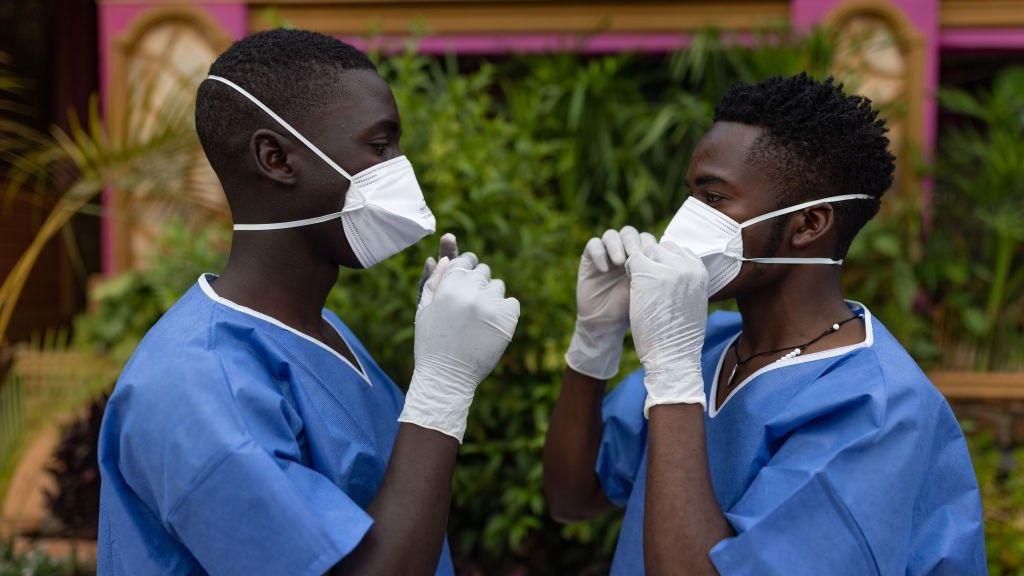
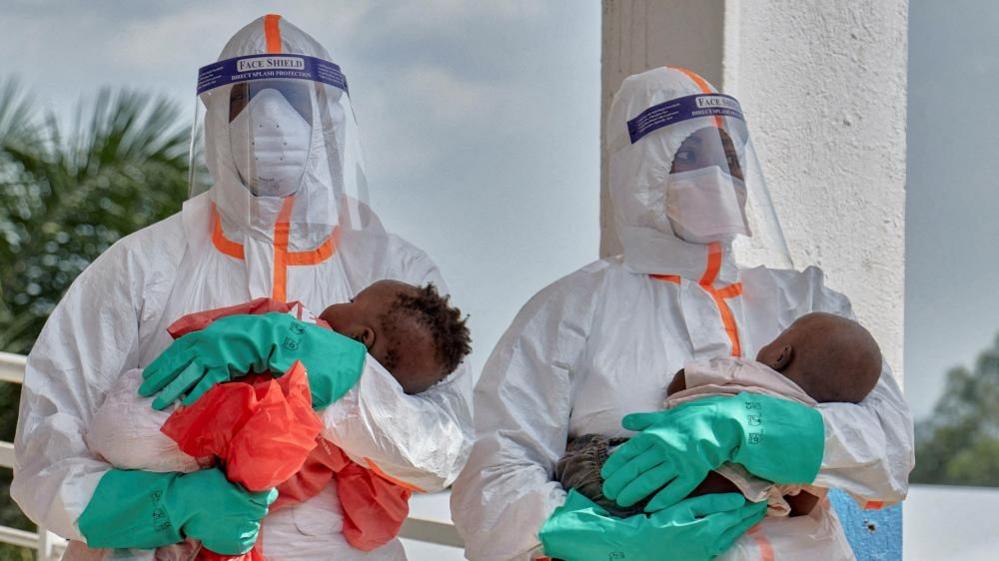
The eastern provinces of DR Congo are also rich in coltan and other minerals essential to the global electronics industry. As peace talks proceed, an objective analysis must consider not only the political and military dynamics but also the socio‑economic stakes tied to these resources and the humanitarian impact on civilians caught in the ongoing conflict.