South Korea’s President Proposes War‑Ending Talks with North
Lee Jae‑Myung, who took office last year, announced a proposal for a series of talks with North Korea aimed at formally ending the armistice‑bound conflict that has persisted since 1953. The initiative includes a “multi‑layered security system” to deter inadvertent clashes along the demarcation line and a discussion on curbing Pyongyang’s nuclear weapons programme.
The conversation is an effort to replace the impasse that has dominated the Korean peninsula for decades. While the South has lifted its arms restriction policy after protests over its martyrdom, the North remains non‑cooperative, having repeatedly tested ballistic missiles carrying nuclear warheads.
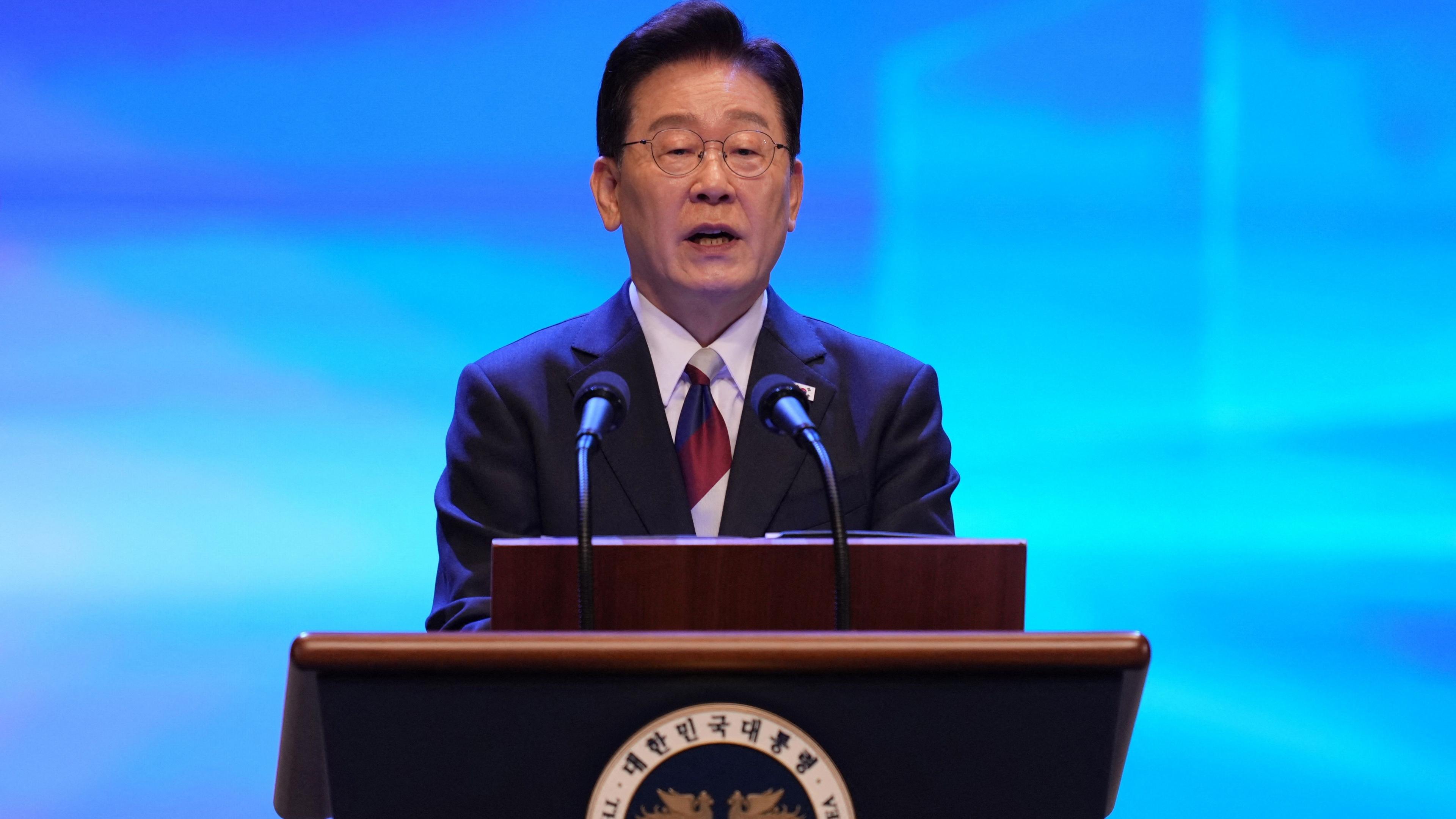
President Lee articulated his intent during a Liberation Day ceremony, a day celebrating the peninsula’s liberation from Japanese rule. He called for both parties to put aside threats and to initiate formal talks that could finally bring an end to the long‑standing war.
The North has yet to answer the invitation. Earlier this year, Kim Jong Un condemned past diplomatic attempts, recently declaring that a reunification with the South was impossible and that the South was a principal enemy.
If the talks succeed, it would represent a landmark shift in security dynamics, potentially easing tensions not only on the peninsula but also in the wider region upon which the United States and China are heavily invested.
This article provides a neutral overview of the proposals and the broader historical context, avoiding partisan commentary.