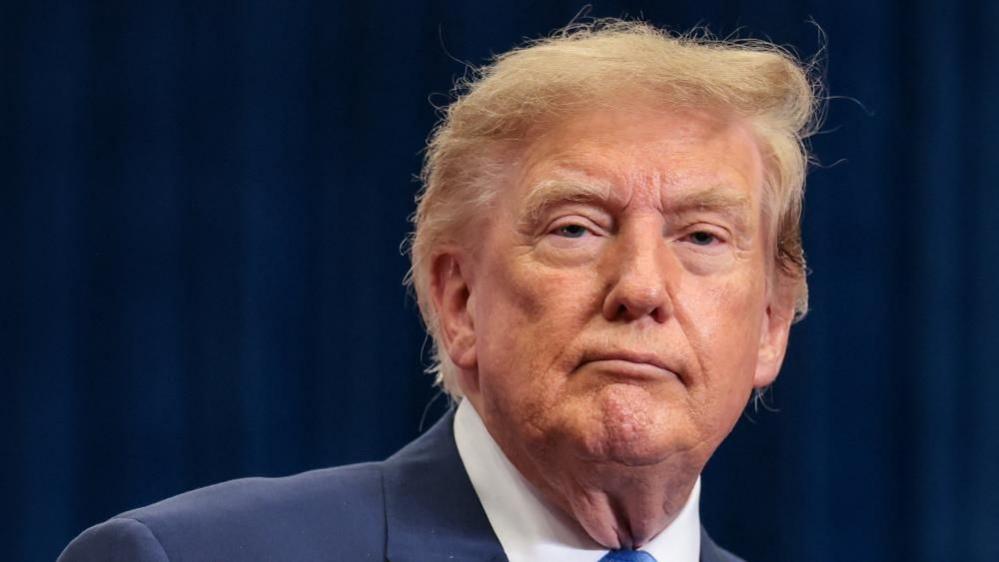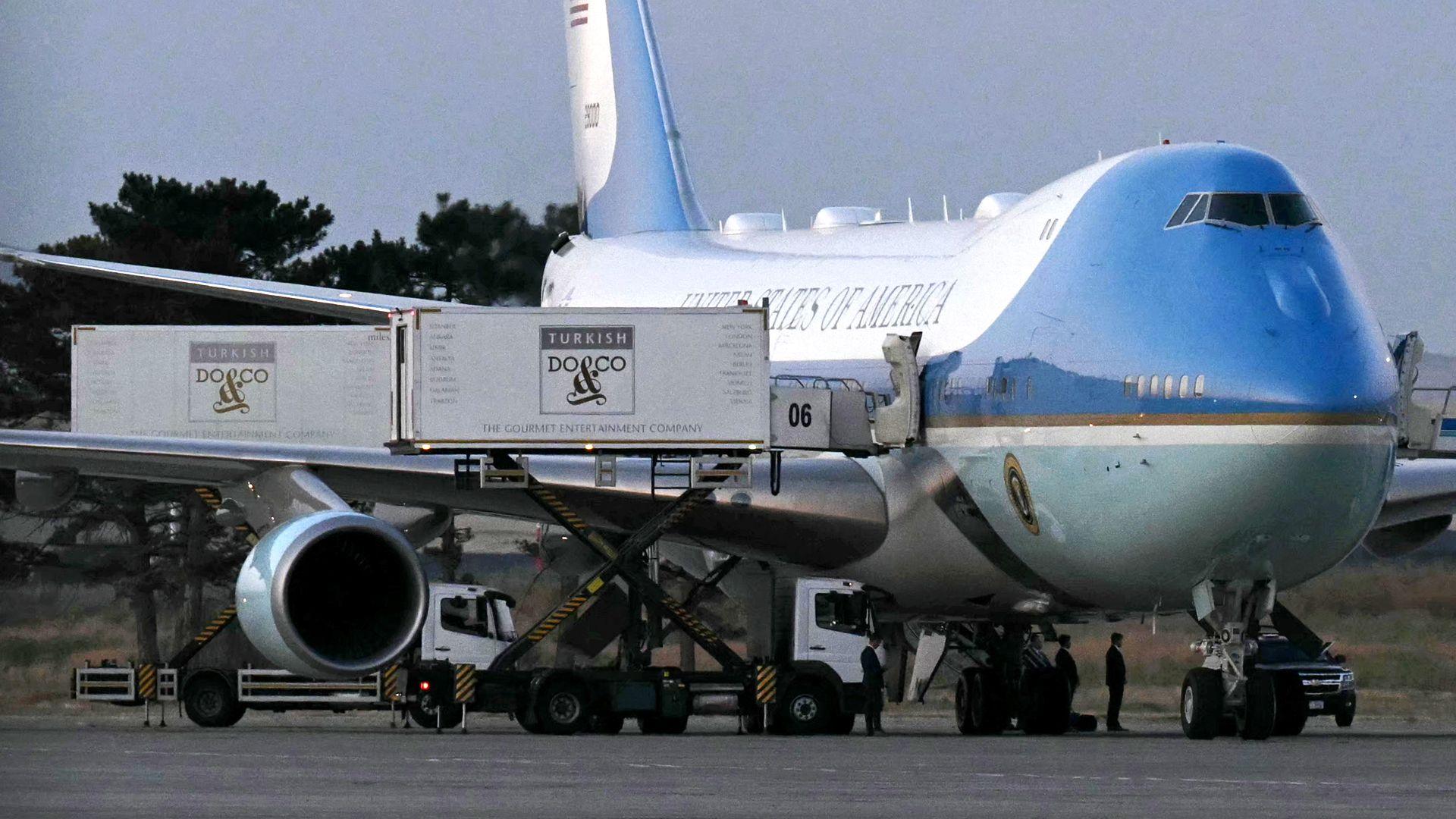
When a Nato summit in Turkey completed, President Donald Trump was allegedly swapped from the classic Air Force One to a smaller military aircraft. A catering truck, lashed and raised to the plane level, moved the president to a C‑32A Boeing 757, the same type used by the vice‑president, without journalists knowing.
The switch was reportedly triggered by credible intelligence of an Iranian missile threat aimed at the president or his aircraft. While White House staff had been ordered to close window shades to protect his safety, reporters were told nothing had changed.
Trump had earlier declared during the summit that he was Iran’s "number one target." A day after a U.S. decision to resume military strikes on Iran, the president left Turkey on the new Qatari–donated Boeing 747‑8, later returning to Air Force One after a brief stop in the United Kingdom. During that return flight, he spoke to journalists about the imminent threat from Iran, but not about the plane swap.
White House communication director Steven Cheung emphasized that the new Air Force One has "state‑of‑the‑art" security features, and press secretary Karoline Leavitt added that further upgrades would be installed later in the year. U.S. intelligence agencies had earlier warned of a possible attack on Trump, and the New York Times had reported security concerns regarding the Qatari jet, prompting journalists to testify under oath in a Justice Department investigation of leaks.
The operation highlights the complexities of presidential security, especially in volatile geopolitical contexts, and underscores how strategic improvisations are carried out even under tight scrutiny. The incident also raises questions about the transparency of such decisions and the protective measures for the nation's leader.