Uganda vs Congo: Lessons from Different Ebola Outbreak Responses
The 2026 wave of Ebola in the Democratic Republic of Congo (DRC) has become its second‑worst on record, with an official death toll now past 1,500. In contrast, Uganda, which reported its first imported case in May, now declares itself Ebola‑free after 20 confirmed infections and two fatalities. The stark difference reflects varying histories of the disease, differing health‑system infrastructures and the role of community engagement.
Uganda’s health ministry described the shuttled patient’s release as a moment of joy. The country’s ability to contain the illness stems in part from past exposure: Uganda has dealt with nine Ebola outbreaks since 2000, while the DRC has seen 17 since the virus’s discovery in 1967.
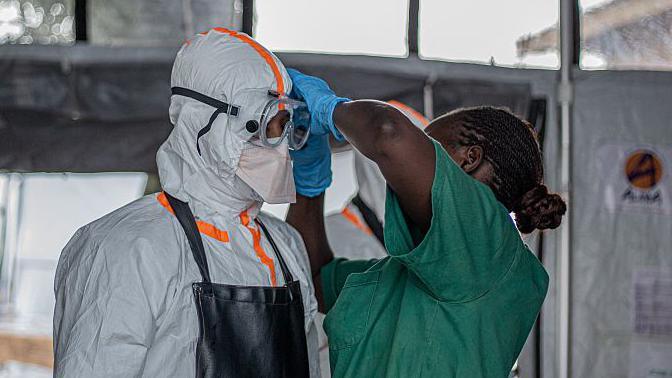
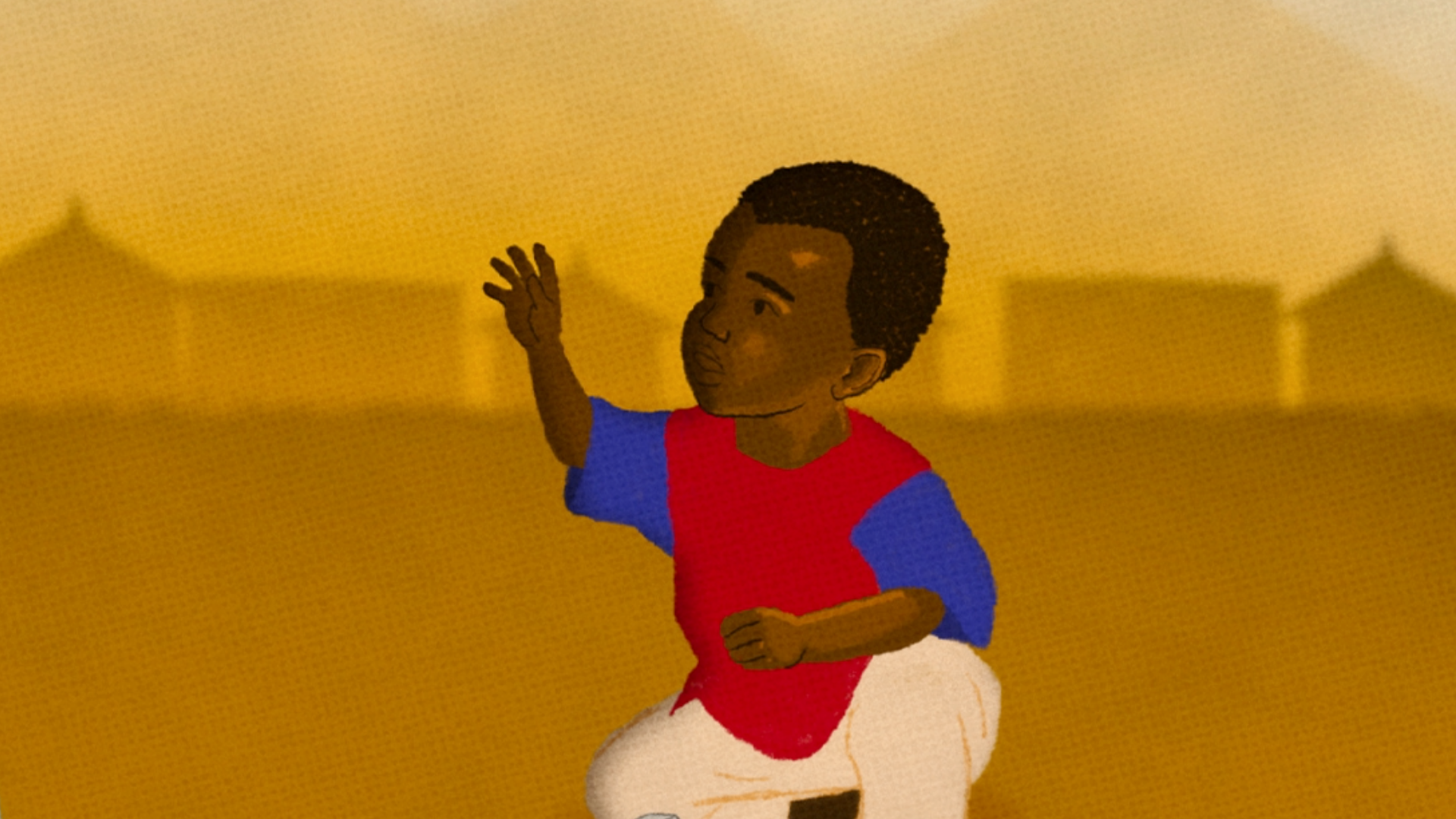
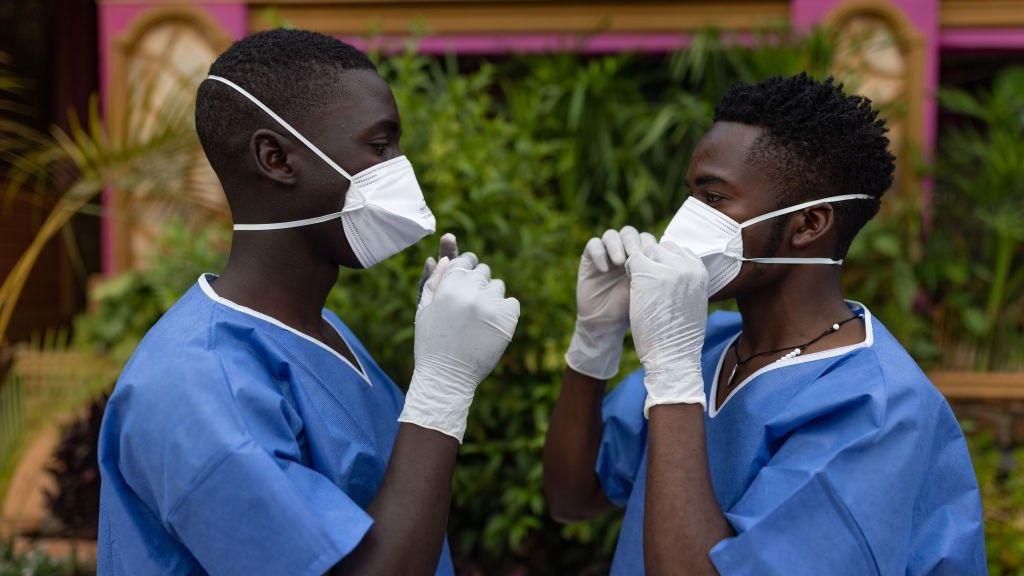
In 2011 a 12‑year‑old girl in Luwero was isolated and treated in full personal protective equipment after her symptoms matched those of Ebola. She died three hours later; the careful handling prevented further spread, underscoring how early caution stopped the virus in the country’s veins.
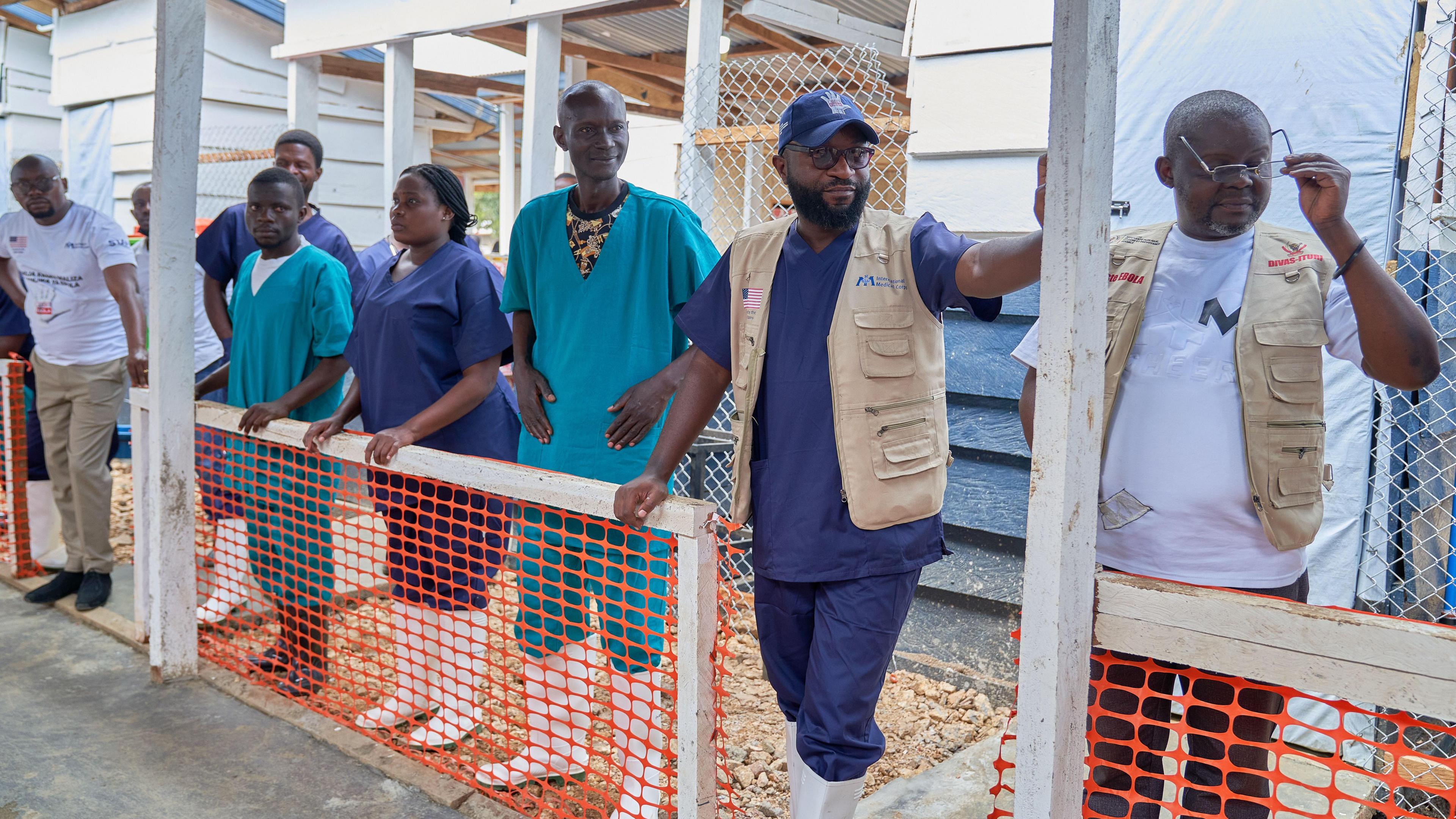
Today, when the DRC’s outbreak was declared in May, Uganda was quick to mobilise because the virus had already emerged in its neighbourhood. Uganda put a dedicated Ebola treatment unit back into operation at Mulago Hospital, capitalising on a stock already kept for last year’s surge. "We were ready to receive patients in one day," Dr David Kaggwa says.
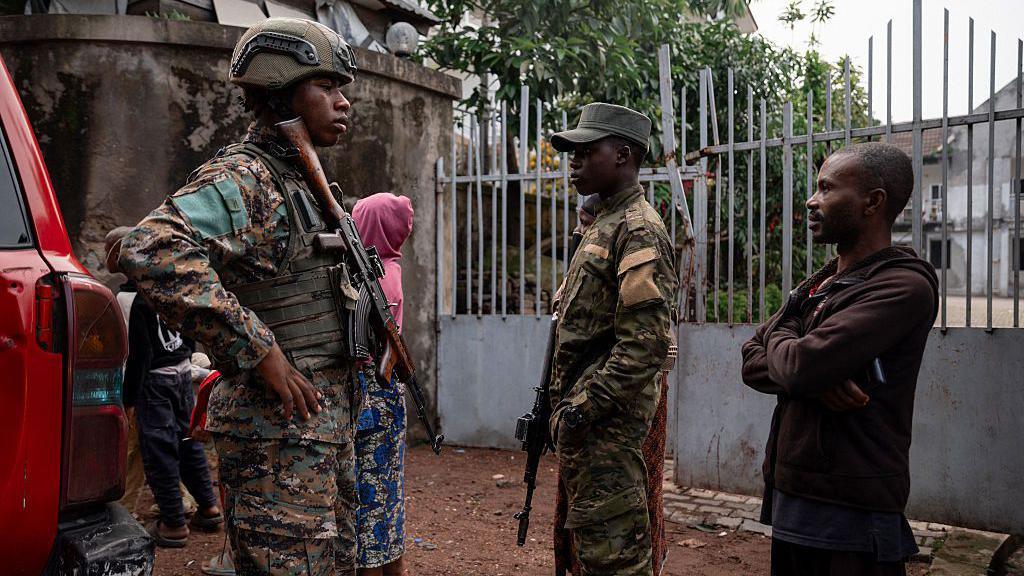
Meanwhile, the DRC battles logistical gaps: surveillance fails because tests focus on other Ebola species; contact tracing is hampered by a fragile health system, understaffing, and insecurity in Ituri and the east. Military rule and the presence of M23 and other factions move people across borders, creating a constantly shifting network that the disease exploits.
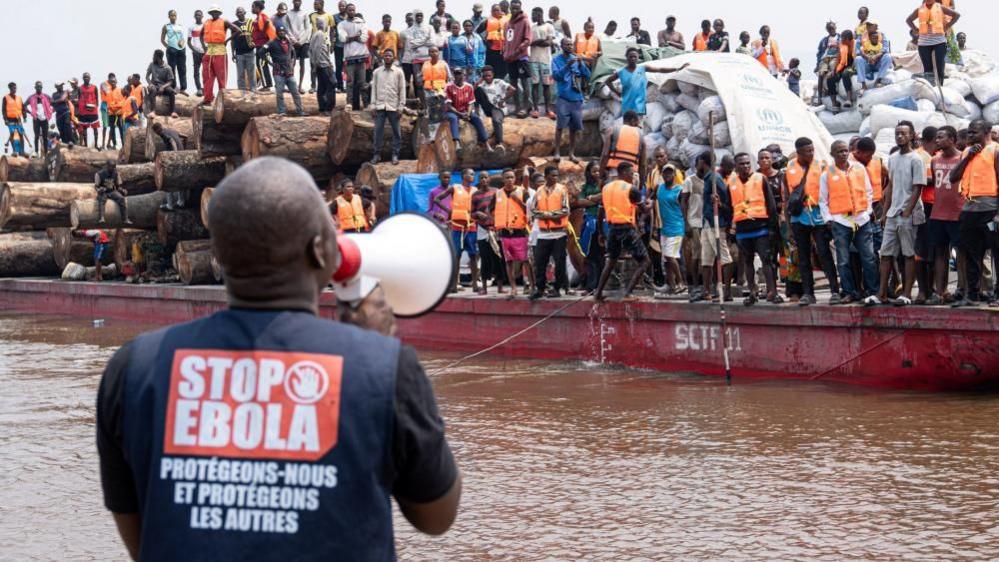
Uganda’s border closure—though economically costly—kept the virus from smuggling through cross-border trade. The country also quarantined more than 6,000 contacts and isolated them for 21 days, a measure that typically prevents a new case from mutating into community spread. “That is very, very important because usually cases come from those contacts,” Dr Kaggwa adds.
The Democratic Republic of Congo’s experience shows a slower spiral: early under‑reporting of symptoms, unprepared hospitals, and delayed community reaction. “The outbreak only became visible weeks after it had already spread,” Dr Moubarack Kano notes.
Both countries highlight the need for global support; Uganda has sent health workers across the border to assist responders in the DRC, as Health Minister Chris Baryomunsi states on X: "We are going to where the problem is."
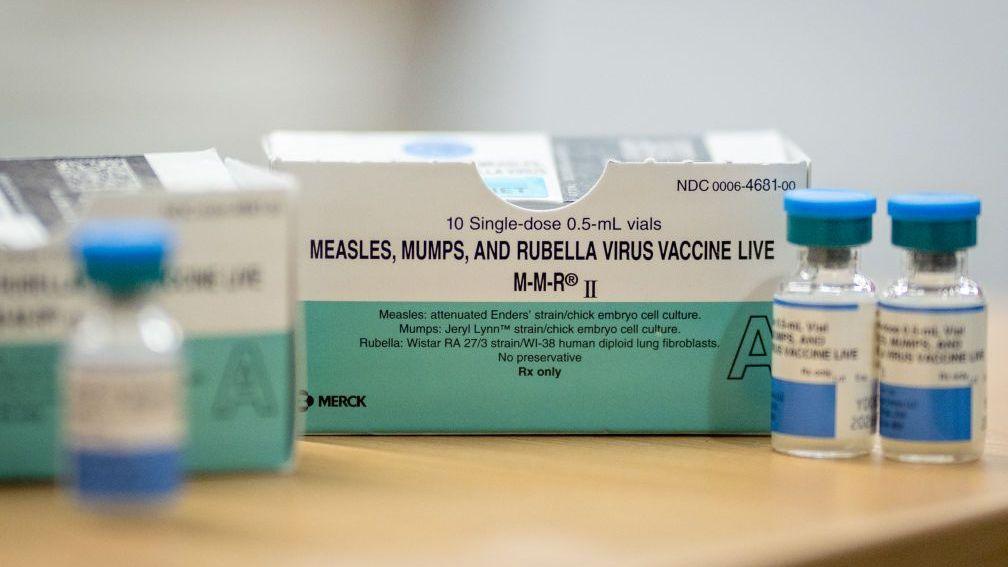
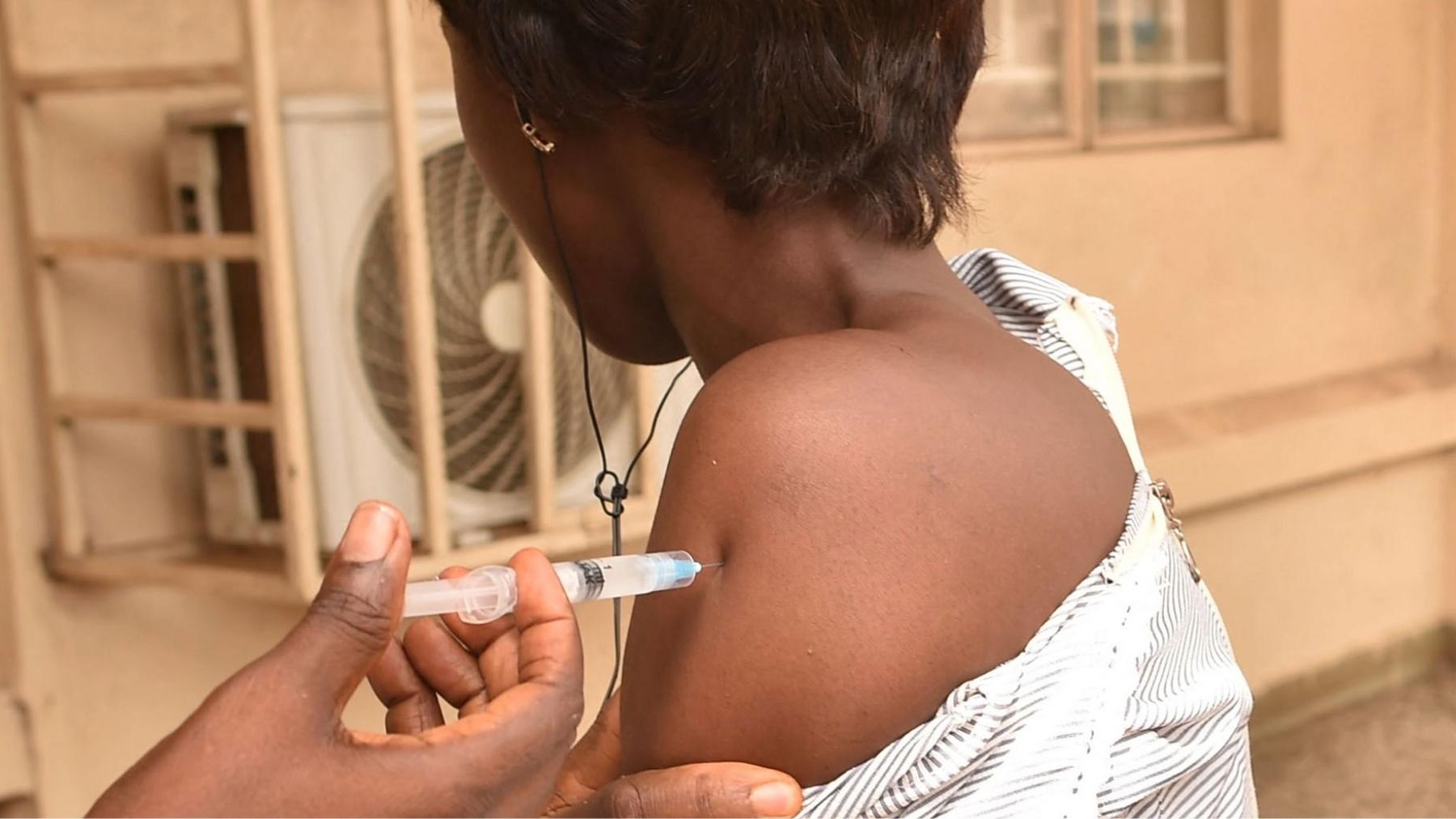
The comparative tale reveals that preparedness and community trust likely outweigh raw numbers of cases. Uganda’s prior investment in health education—an “ABCs” programme for HIV, lessening of stigma, and widespread vaccination campaigns—has fostered a culture willing to accept isolation and use of protective gear. Contrast that with the DRC, where violence, fluid population movements and logistical shortages endanger even the first attempts at containment.
The story is a stark reminder that battling a hemorrhagic fever departs from the more familiar concepts of “quick detection” and “fast isolation.” In environments where health services can’t respond as readily, containment takes a backseat to survival of frontline workers and community turmoil.
Source: BBC Africa (original article excerpted and adapted for neutralecho.com).