From Mariia's 16th-floor flat, the calm waters of the Black Sea stretch out into the horizon beneath the fading twilight.
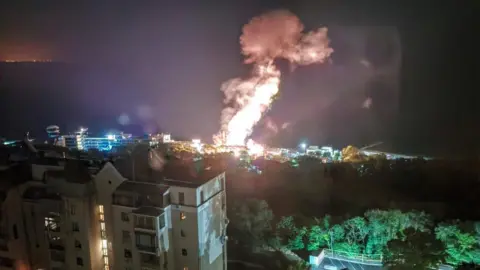
Up here you can see and hear when the drones come, she says, standing by a wall-length, floor-to-ceiling window. When they hit buildings and homes in the city of Odesa down below we see all the fires too.
Her daughter Eva, who is nine, has learned the shapes and sounds of the objects that zoom through the sky on a daily basis. She proudly shows off a list of social media channels she checks when the air raid alerts go off.
But in recent weeks, Odesa has come under sustained attack as part of Russia's attempt to cripple the region's economy and dent the population's morale. With strikes on port and energy infrastructure becoming common, residents are on edge.
A few months ago, Eva said she was afraid the drone would come too fast and we wouldn't have time to hide, Mariia recalls. But I explained that if it came towards us, it would get louder and louder and then we'd know we have to run.
As the strikes surge, air sirens go off frequently, but not everyone heeds them. Many residents are increasingly at risk as they face not just the bombardments but also the brutal winter conditions that have left many homes and businesses without heating or power.
Amid this turmoil, decisions weigh heavily on the families. Should they stay and endure the hardship or attempt to flee once again? The ongoing threat of aerial assaults coupled with the need for safety has left many in a precarious living situation.
The resilience of Odesa’s residents, marked by a long history as a multicultural port city, stands in stark contrast to their stark reality—a reality filled with fear, uncertainty, and the hope for a return to peace.