Flames of Discontent: France’s Nationwide Student Protests Over School Conditions
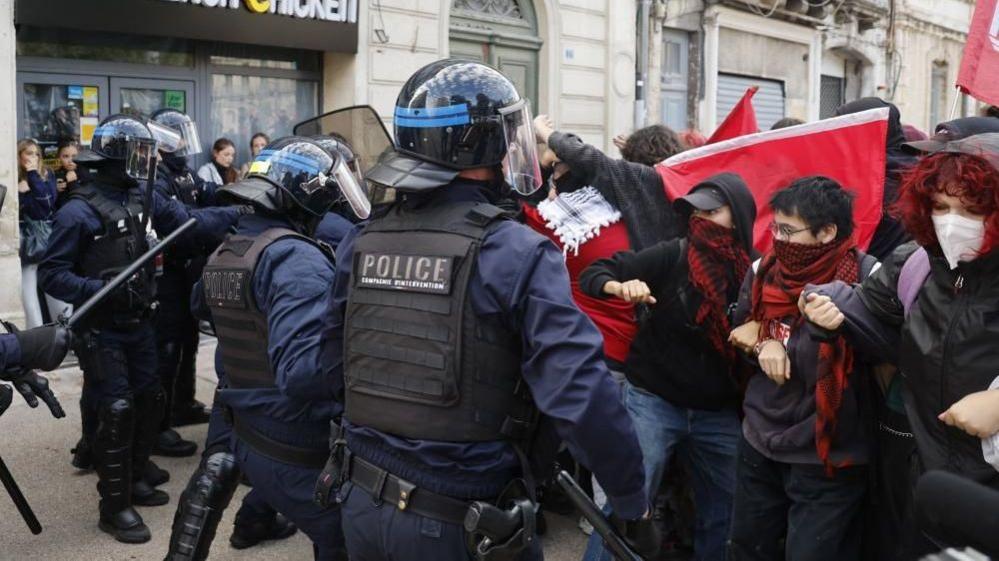
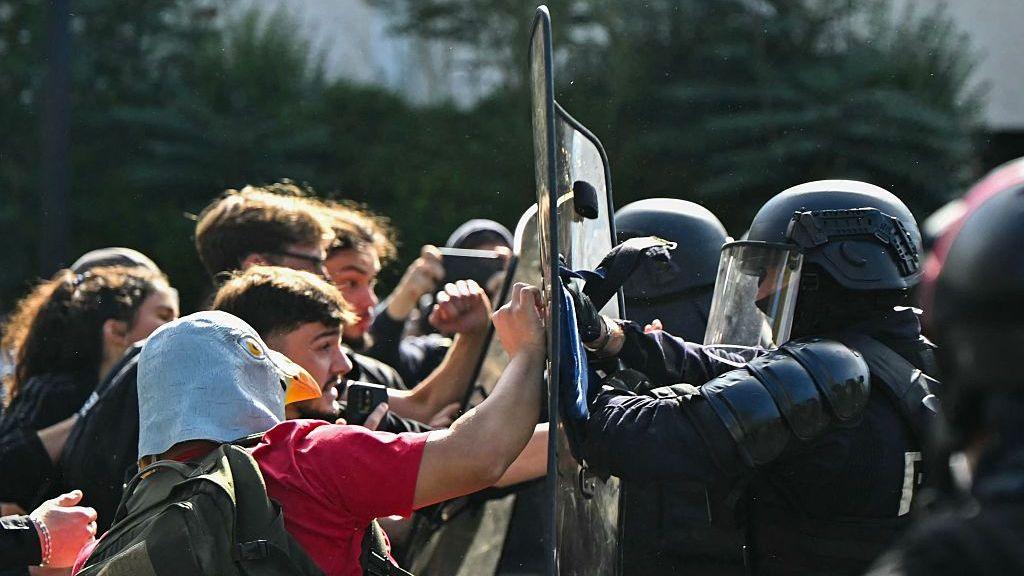
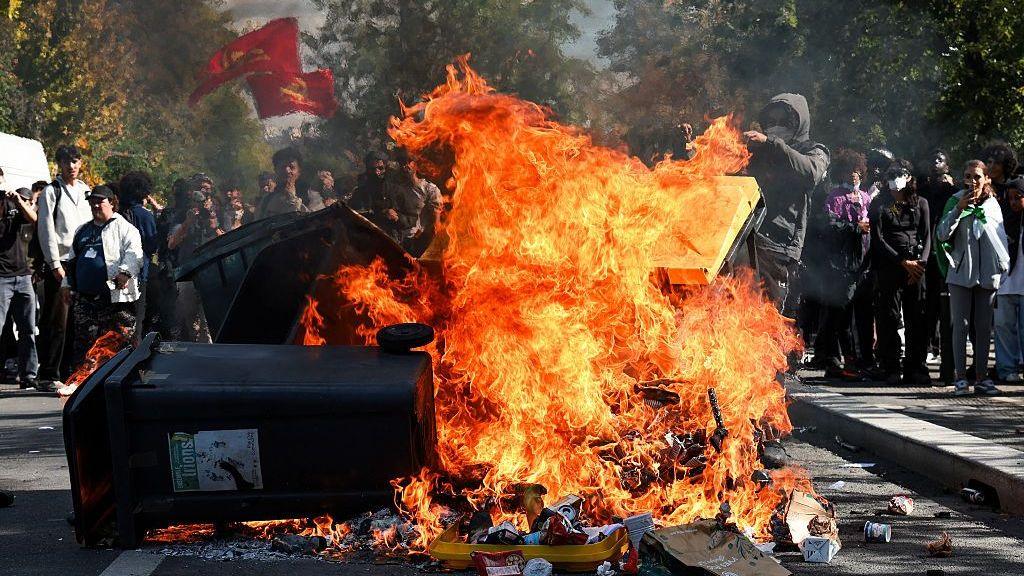
What began as a series of demonstrations in Paris two weeks ago has now erupted across France, with more than 500 schools experiencing disruptions and 65 staff members injured. Students protest a range of grievances, from overcrowded classrooms and shortages of teachers to inadequate digital resources and a perceived lack of state support for schools.
Origins of the Outcry
The fire that sparked the protests started in April when students in the capital voiced frustrations during a marathon demonstration. Fears that delays in adopting educational reforms would further erode learning environments spread quickly to other cities. The movement, largely organized through social media, has seen students from high schools, vocational schools, and colleges take to the streets across the country.
Impact on Schools and Communities
According to France’s Ministry of Education, more than 500 schools have reported closures or partial shutdowns due to the protests. Teachers and administrative staff have been caught in clashes, with police deploying tear gas and other crowd‑control measures. The situation has strained local authorities, requiring emergency responses to ensure the safety of students and staff.
Reactions Across the Political Spectrum
The French government has called for calm and proposed a national dialogue to address the concerns raised. In contrast, student groups have demanded immediate policy changes, including increased funding for schools, reduced class sizes, and better teacher support. Some educators support the call for reform, citing evidence that improved resources improve student outcomes.
International Context and Watchers
The protests come at a time when many countries are reassessing their education systems amidst economic pressures. International observers note that student activism can play a pivotal role in shaping national policy, especially when linked to broader demographic and economic trends. Analysts warn that a failure to address these concerns could result in longer‑term damage to France’s educational standing on the global stage.
BBC correspondent James Waterhouse, who was in Paris during the clashes, reported witnessing students throwing projectiles and police deploying tear gas. His frontline observations underline the intensity of the confrontations and the broad public support some demands have cultivated.
Looking Forward
While the immediate tension may ease, the protests underscore a deeper need for systemic change in France’s educational policy. How the government, schools, and students negotiate the next steps will likely set a precedent for handling similar crises in the future. The coming weeks are crucial for rebuilding trust, restoring normalcy, and making tangible progress toward the reforms demanded by the next generation of learners.