Fujisawa Town Battles Identity Amid First Mosque Construction
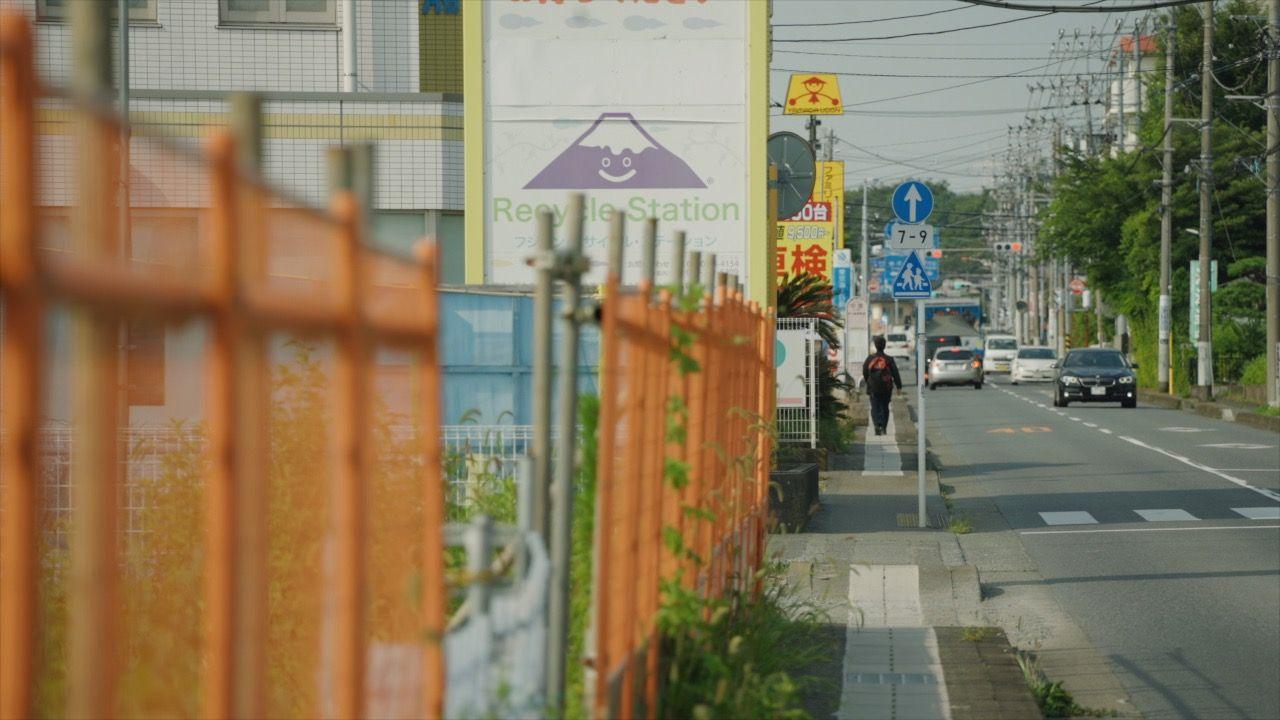
Today the site for a new mosque is a plain grass field in Fujisawa, a coastal town an hour south of Tokyo. In a short span of weeks, the town’s quiet streets have become a stage for debate, protest, and hope.
Long‑time resident Noriko Izumizawa says, “It makes me worry about how our community might change.” She is not alone. When villagers saw the mosque plans, emotions ran high—anger, fear, hope, and acceptance—all pointing to a broader national conversation about immigration, labor shortages, and identity.
Japan’s political climate remains restrictive for migrants, yet an expanding workforce coming from China, Vietnam, the Philippines and other countries continues to shape the demographic landscape. 390,000 Muslims across the country are now a visible minority, participating in civic life while experiencing prejudice both online and in person.
In early winter, the town’s train station saw thousands of protesters, reflecting how a single mosque can ignite community forums. Social media posts spread misinformation, and various outlets reported abuse—phone calls, emails, and public shouts—in response to the mosque’s construction.
Hiroki Suzuka, a coffee shop owner opposite the proposed site, urges, “I don’t see the mosque as a threat, but I don’t say I love it either. The first step is to learn about Islam.” He advocates open-mindedness and dialogue between residents and the growing Muslim community.
Being Muslim in Japan
Businessman Mohamed Mohideen, who has lived in Osaka since 1987, recalls early optimism when there were fewer immigrants. “Charity is the baseline,” he says, noting that the community has struggled with hostility and even violent attacks, “but we keep calm, listen, and shout back.” Mohideen further reflects on the lack of engagement from the wider Japanese community, stressing a need for increased dialogue.
In Saitama, 61‑year‑old Shakeel Mohamed has become a trusted leader in the local mosque. He emphasizes respect of Japanese customs, citing “courtesy, obeying laws, and following hygiene rules” as essentials for living peacefully alongside neighbors.
Immigration vs. Identity
Japan’s government has traditionally avoided framing itself as an immigrant country. The recent decision in June 2026 to raise visa fees fivefold, after nearly fifty years of inactivity, marks a shift towards stricter control. The country also plans to increase staff in the Immigration Services Agency to curb illegal stays and may impose limits on foreign residents, in a context where the workforce has grown to 2.57 million employees and the population declined by almost a million.
At the heart of the Fujisawa debate is a question many Japanese citizens ask: can Japan become more diverse while preserving its unique social cohesion? Some, like Izumizawa, admit “I fear the unknown” more than real threats, pointing to a broader discomfort with the unfamiliar.
As the mosque progresses, the town’s activists and residents stand at a crossroads—either to embrace a future of multiculturalism or stick to a homogeneous identity that may limit Japan’s economic and social future.
Additional reporting by Chie Kobayashi.