Gaza families report daily strikes despite ceasefire
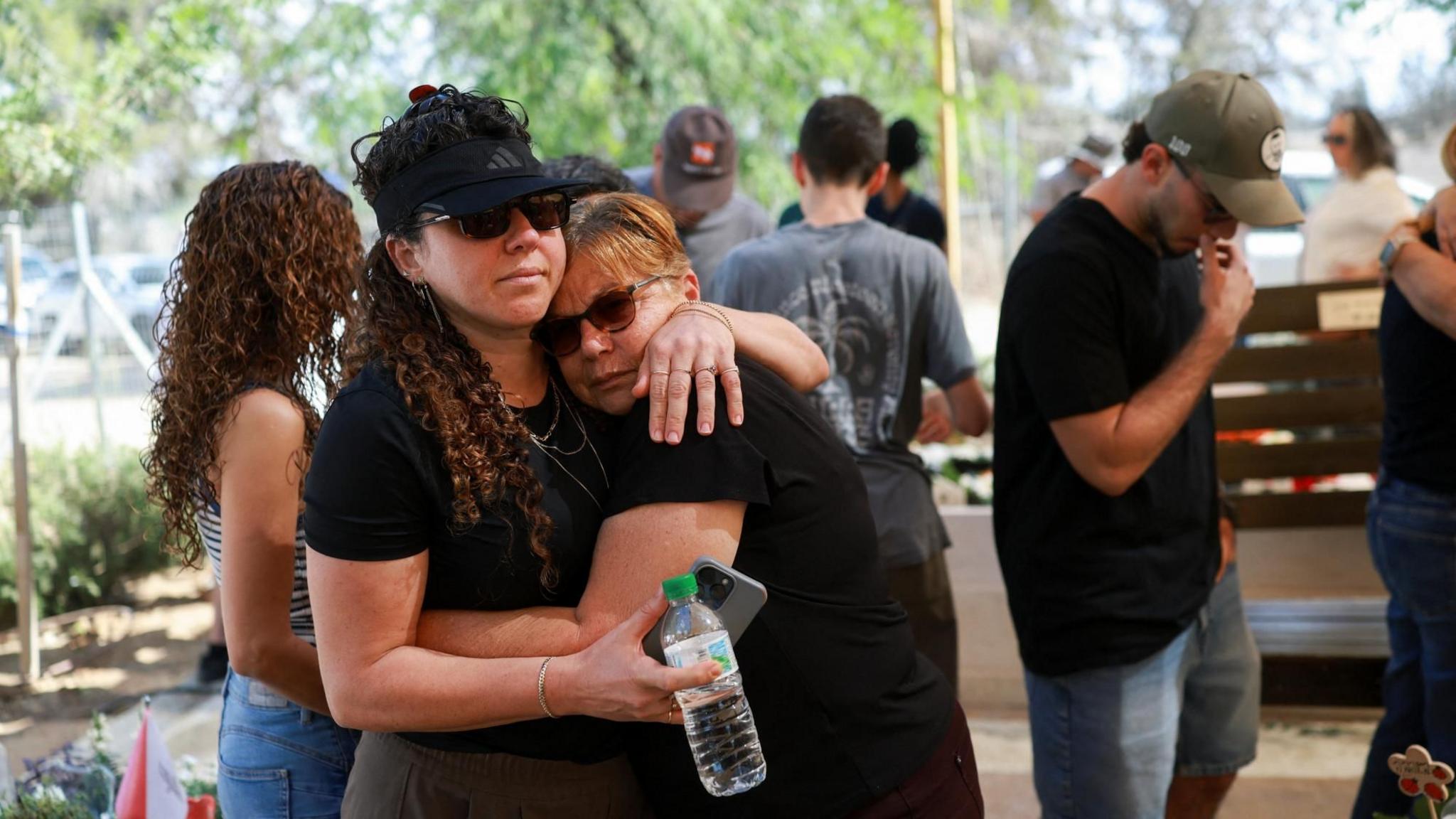
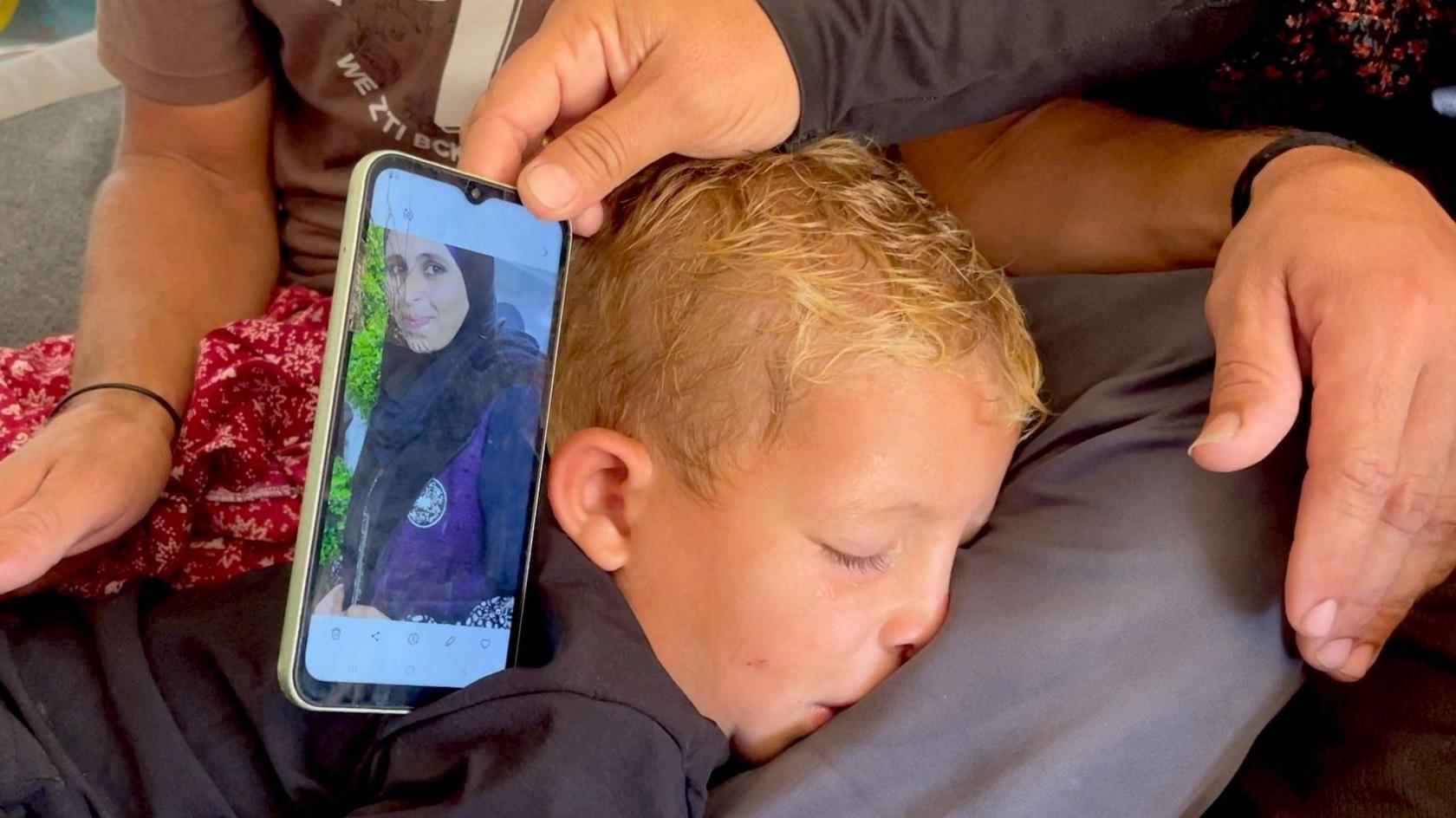
On 21 September, 31‑year‑old Fida al‑Toutah, a mother of five, was shot in her tent in central Gaza while her son was combing her daughter’s hair. She later died from a gunshot wound to the head. The incident, reported by her family, comes as part of a broader pattern of civilian suffering during the enduring ceasefire, which began on 10 October 2023.
According to Gaza’s Hamas‑run health ministry, more than 1,400 civilians have died in Israeli attacks since the ceasefire started. The ministry’s figures are considered reliable by the United Nations. IDF statements note that Israel targets Hamas operatives and accuses the militant group of violating the agreement, but the defence force has denied knowledge of this particular shooting.
These events unfold against a backdrop of stalled diplomatic talks. A peace deal signed in October 2025 promised reconstruction and a phased withdrawal of Israeli forces, yet reparations have not yet begun, largely due to disagreements over the easing of occupation controls and the status of heavy weapons.
Families, such as Fida’s husband Ahed, describe living on the fringes of safety, with daily gunfire and the constant threat of artillery from the nearby “Yellow Line.” In addition to casualties, 30 people were killed in the last week alone, revealing the fragile nature of the ceasefire. Israeli authorities say the strikes aim to neutralize Hamas capabilities, whereas the families highlight the civilian toll and the pre‑existing hardships from earlier stages of the war.
A wider displacement crisis has seen Gaza’s 2.1 million residents move repeatedly, many into tented shelters or low‑lying areas that risk flooding. Without a clear start to reconstruction, civilians face continued uncertainty, limited access to essential services, and a lack of transparency on rebuilding plans.
As the conflict persists, the civilian population absorbs the most immediate impact. The international community observes the uneven implementation of ceasefire terms, with criticism from human‑rights groups and calls for heightened accountability on both sides.