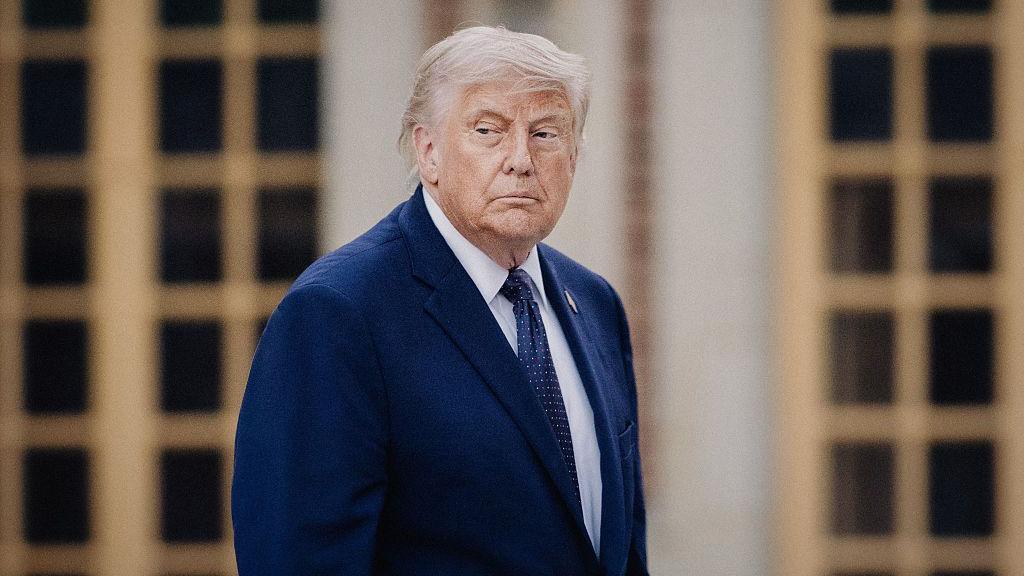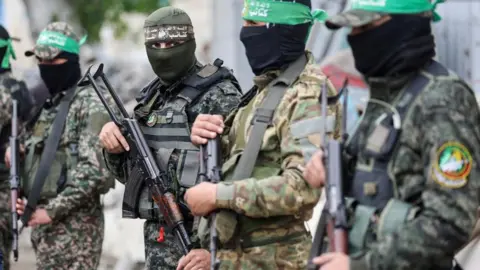
Hamas has rejected the disarmament plan of a top figure in President Donald Trump's Gaza peace efforts, a senior Palestinian official familiar with the negotiations has told the BBC.
The official accused Nickolay Mladenov, the high representative for Gaza on the US-led Board of Peace, of bias towards Israel. Last month, Mladenov outlined a framework for Gaza's demilitarization as part of the second phase of the ceasefire deal agreed upon by Hamas and Israel in October.
Hamas communicated to regional mediators that it would not engage in discussions regarding the second phase until Israel fully executed the terms set in the first phase. Israel, on the other hand, has stated that it will not proceed without advancements on the disarmament front.
A Hamas delegation was scheduled to meet with Egypt's intelligence chief on Tuesday before departing. The first phase of Trump's peace plan succeeded in halting hostilities, restored all Israeli hostages held by Hamas in exchange for Palestinian prisoners, and resulted in partial Israeli troop withdrawals from Gaza.
In mid-January, US Middle East envoy Steve Witkoff declared the commencement of the second phase, intended to facilitate a permanent end to the conflict following Gaza's disarmament and a comprehensive Israeli withdrawal. However, negotiations have been stalled since then.
Last month, Mladenov presented a plan for Palestinian armed groups in Gaza to disarm and linked compliance to the initiation of reconstruction efforts following Israel's military incursions that devastated the territory.
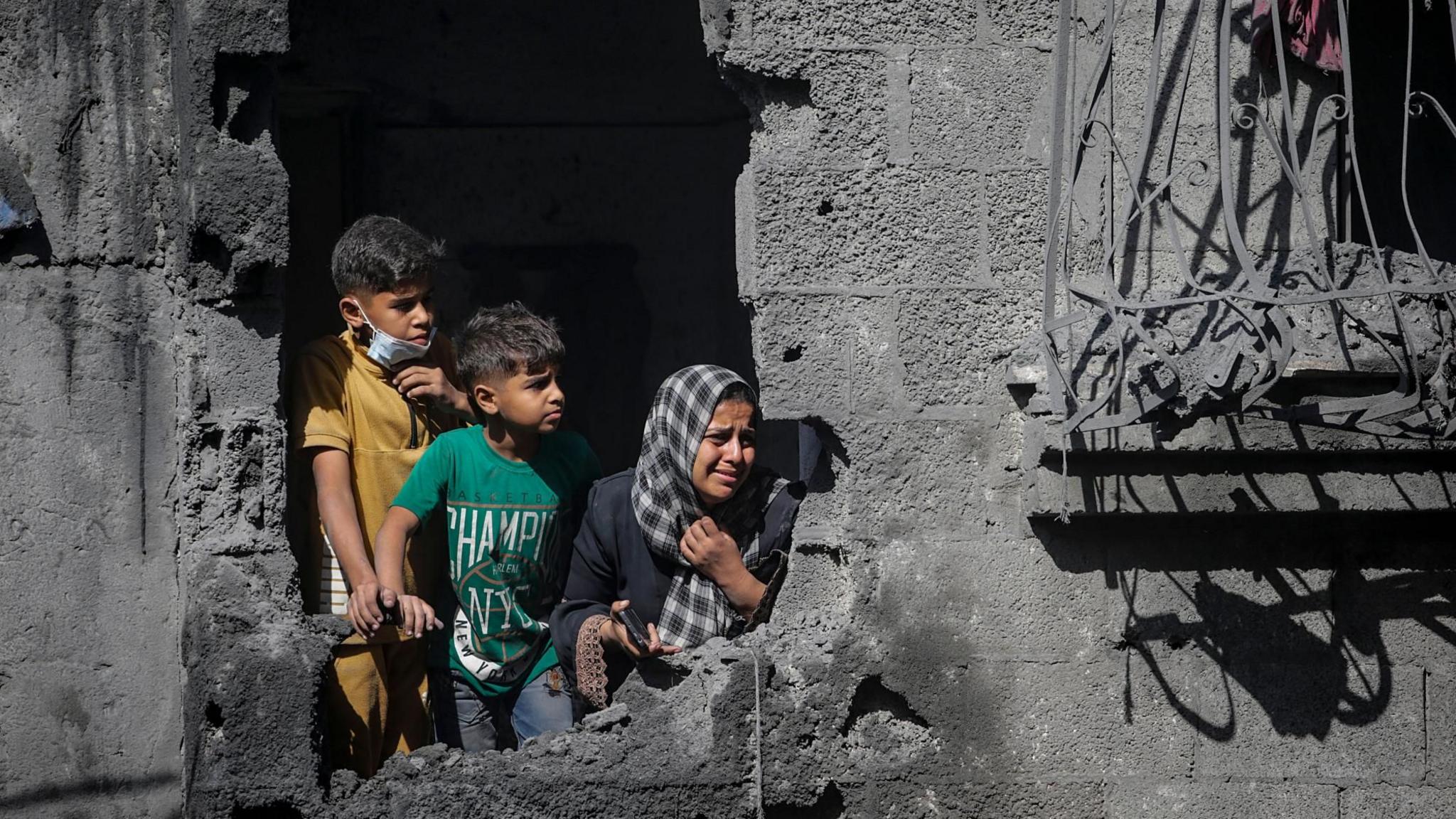
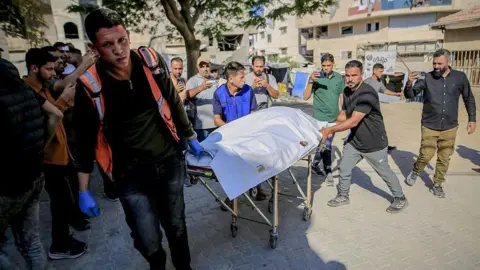
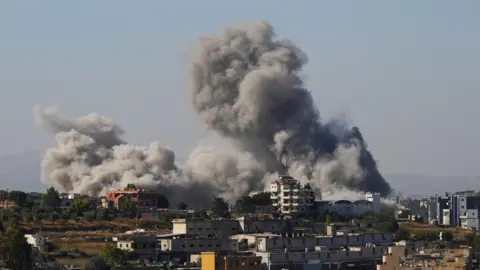
This situation intensified following a Hamas-led attack on Israel on October 7, 2023, which resulted in around 1,200 fatalities and the abduction of 251 individuals into Gaza. To date, over 72,330 individuals have died from Israeli military operations in Gaza since then, with 757 deaths reported since the ceasefire was initiated on October 10, 2025, according to the Hamas-run health ministry.
A senior Hamas official stated, We are waiting for Mladenov to provide a clear timetable for Israel to fulfill the remaining obligations of phase one, along with guarantees to halt Israeli violations, before any discussion of phase two begins.
The official underlined that Palestinian factions view the issue of disarmament as part of a broader resolution that must ensure the Palestinian people's right to self-determination, rather than settling for partial arrangements.
"Mladenov appears to believe that Israel is unlikely to endorse the creation of an independent Palestinian state," he remarked.
The official further noted that Hamas and other factions have expressed to mediators that no talks would progress regarding the second phase without a “complete halt to Israeli violations, attacks, killings and the ongoing starvation,” as well as the full implementation of phase one.
Hamas is demanding a full Israeli withdrawal from Gaza, along with the deployment of international protection forces to assist local police in ensuring civilian safety. The remaining conditions for phase one, as per a second Hamas official, include:
- Completing military withdrawals
- Reopening the Rafah crossing and all crossings to individuals
- Allowing sufficient humanitarian and commercial aid into Gaza
- Facilitating the operation of the National Committee for the Administration of Gaza, which is set to temporarily manage the territory
- Restoring electricity
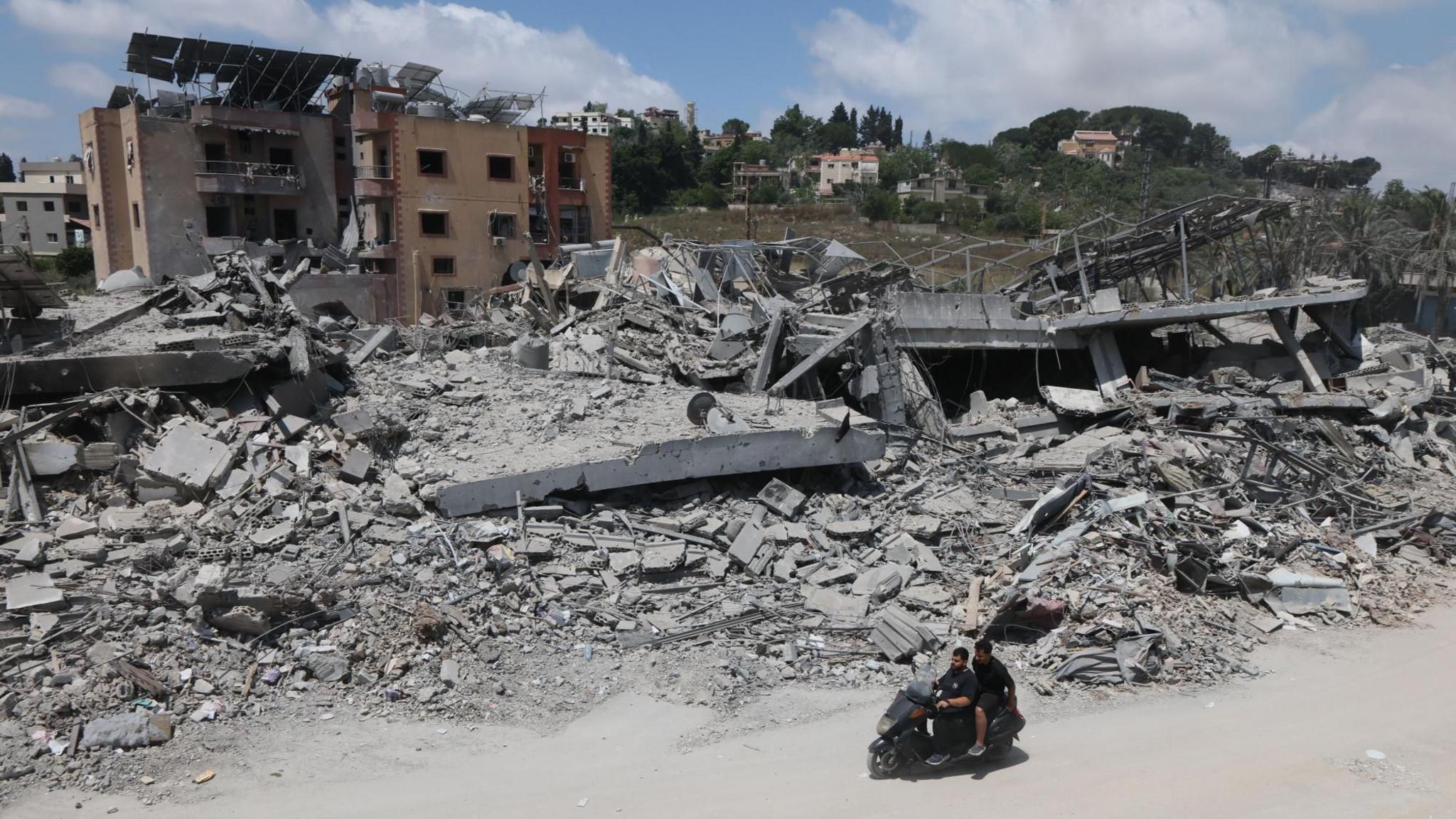
- Providing heavy machinery for rubble removal
- Rehabilitating hospitals and ensuring the operation of bakeries and water facilities
The official criticized Mladenov's position for aligning too closely with Israel and indicated that it linked all discussions to disarmament without addressing necessary financial support for relief and recovery, leading to a stalemate in reconstruction efforts.
Last month, Mladenov conveyed to the UN Security Council that the disarmament by militant factions would mark a “decisive break” from cycles of violence that have plagued Gaza for decades, asserting that this transfer of arms would lead to profound implications for the Israeli military's withdrawal and large-scale reconstruction efforts.
This situation poses a stark choice for both parties, balancing between a renewed conflict and the potential for a new beginning in Israeli-Palestinian relations. Israeli Prime Minister Benjamin Netanyahu has also warned Hamas that disarmament will occur "either the easy way or the hard way."