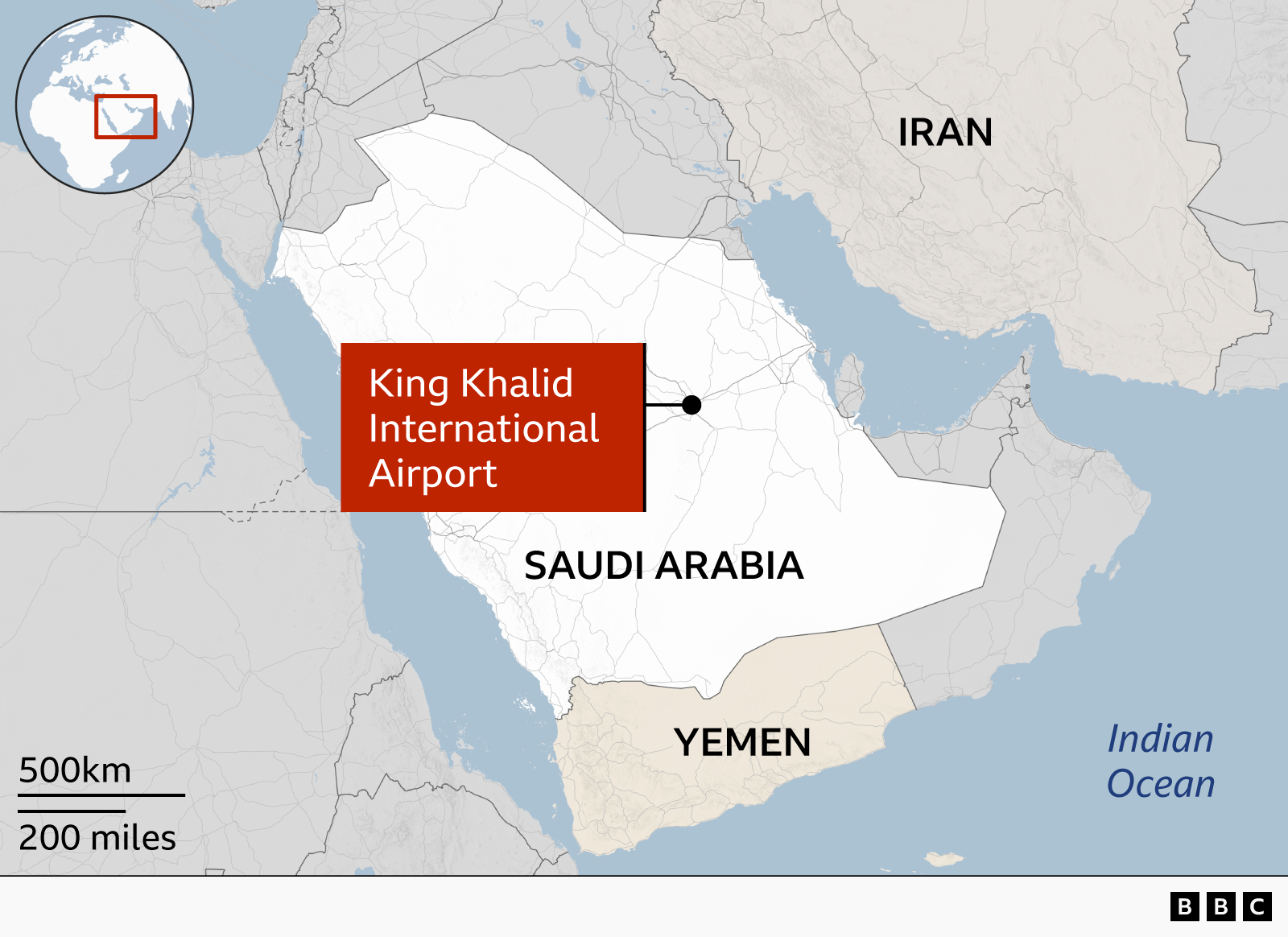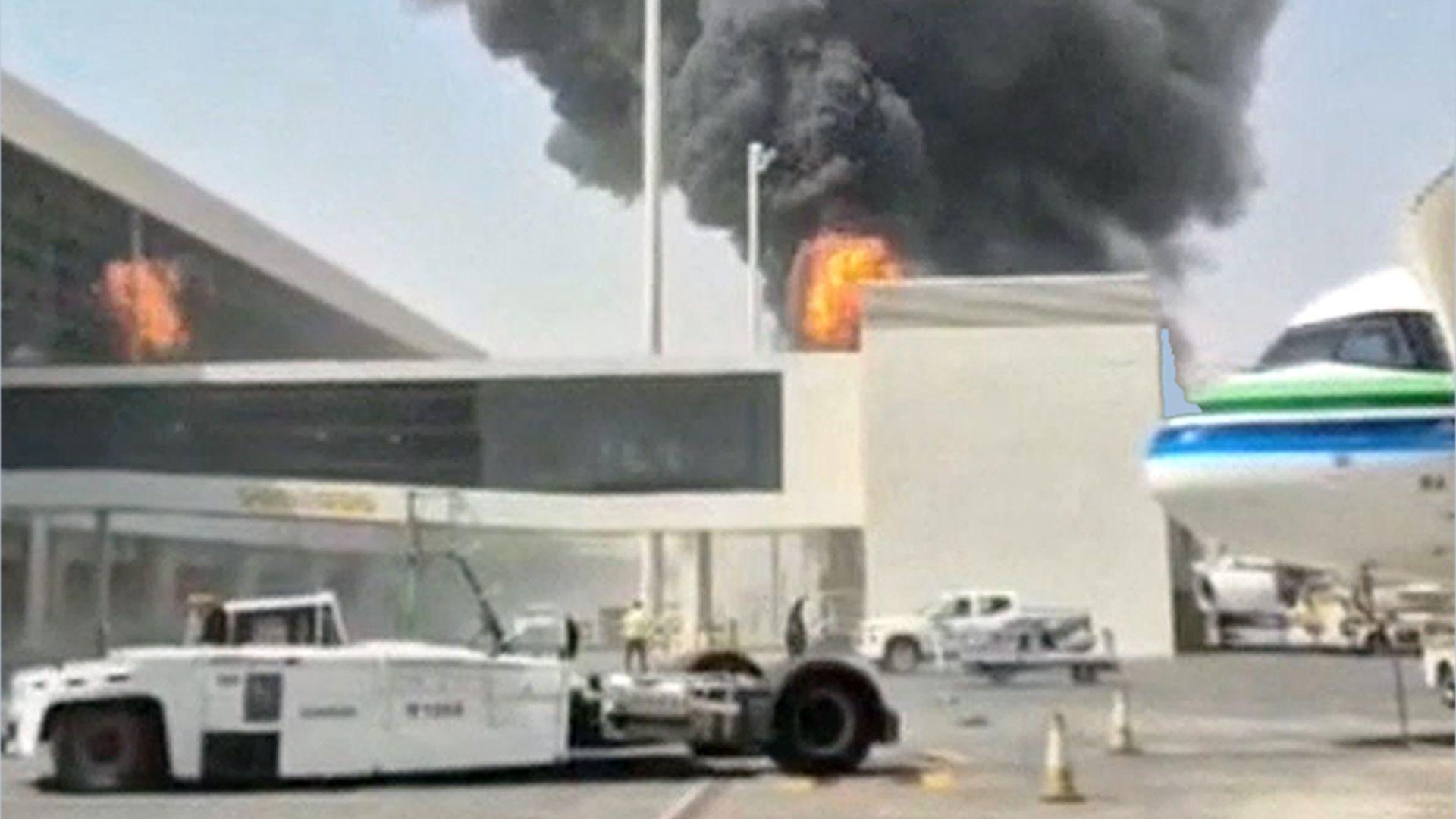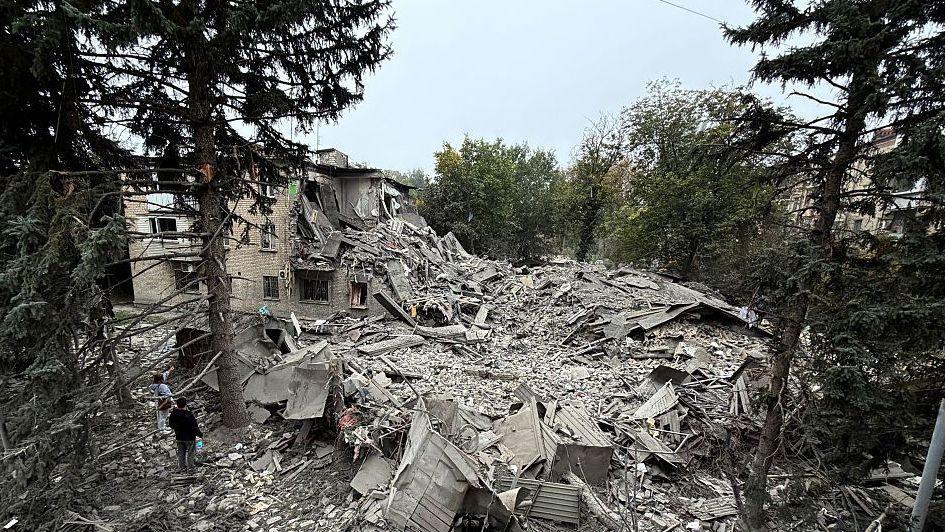
The June 8th drone strike on Riyadh’s King Khalid Airport, the country’s primary international gateway, has intensified an already volatile geopolitical climate. The Houthis—Yemen’s Iran‑backed insurgent group—have increased attacks on Saudi critical infrastructure, now breaching air defences that have traditionally deterred such incursions.
Although physical damage can be quickly repaired, the assault tarnishes Saudi Arabia’s image as a stable haven and raises alarms over security for the Red Sea corridor. Houthis have been targeting strategic positions along the coast and near the Bab al‑Mandeb Strait, jeopardising maritime trade essential to global energy supplies. The Yemen civil war, a decade‑long struggle between the internationally recognised government and the Houthi rebels, remains a flashpoint for regional actors.
In the broader context, the incident underscores the “axis of resistance” that binds Iran and the Houthis. Interference in the Red Sea not only threatens shipping lanes but also functions as leverage against Western interests, amplifying economic pressures worldwide.
The United States, which has supplied intelligence to Saudi forces, found itself in a delicate position. President Biden could face criticism if he opts for a direct military response, especially with global elections looming and domestic concerns over foreign engagements. The attack demonstrates how regional conflicts can quickly cascade into larger geopolitical calculations, involving the United States, Saudi Arabia, Iran, and the international community.