As the temperature drops and air‑raid sirens loom, many Kyiv residents are drawing up plans to leave the city.
Mother Mariia Shostak, who has two young children, says the last winter was the worst in years. “There were some days and weeks that were unbearable,” she recalls, describing prolonged power cuts that fell on cold nights.
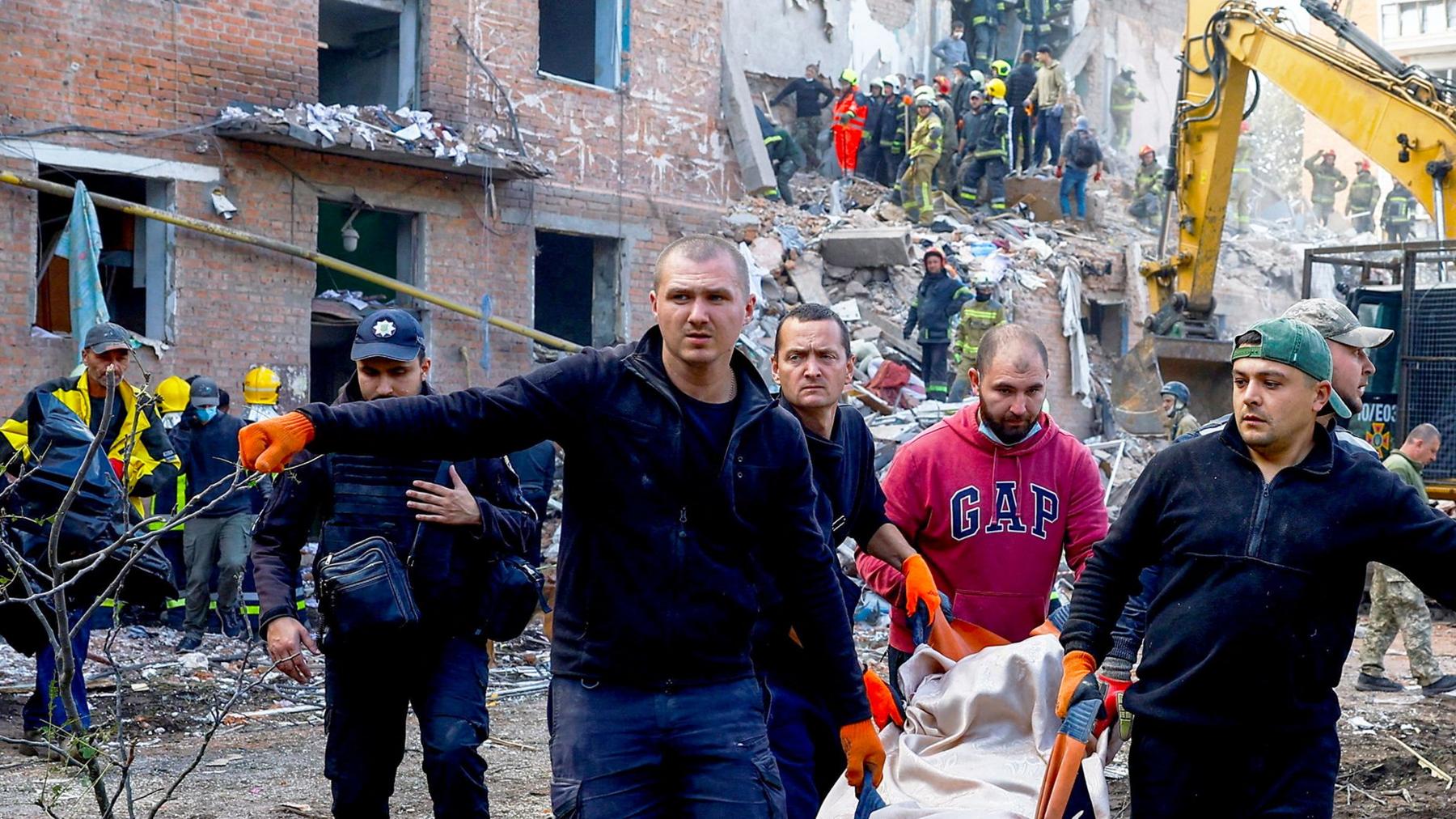
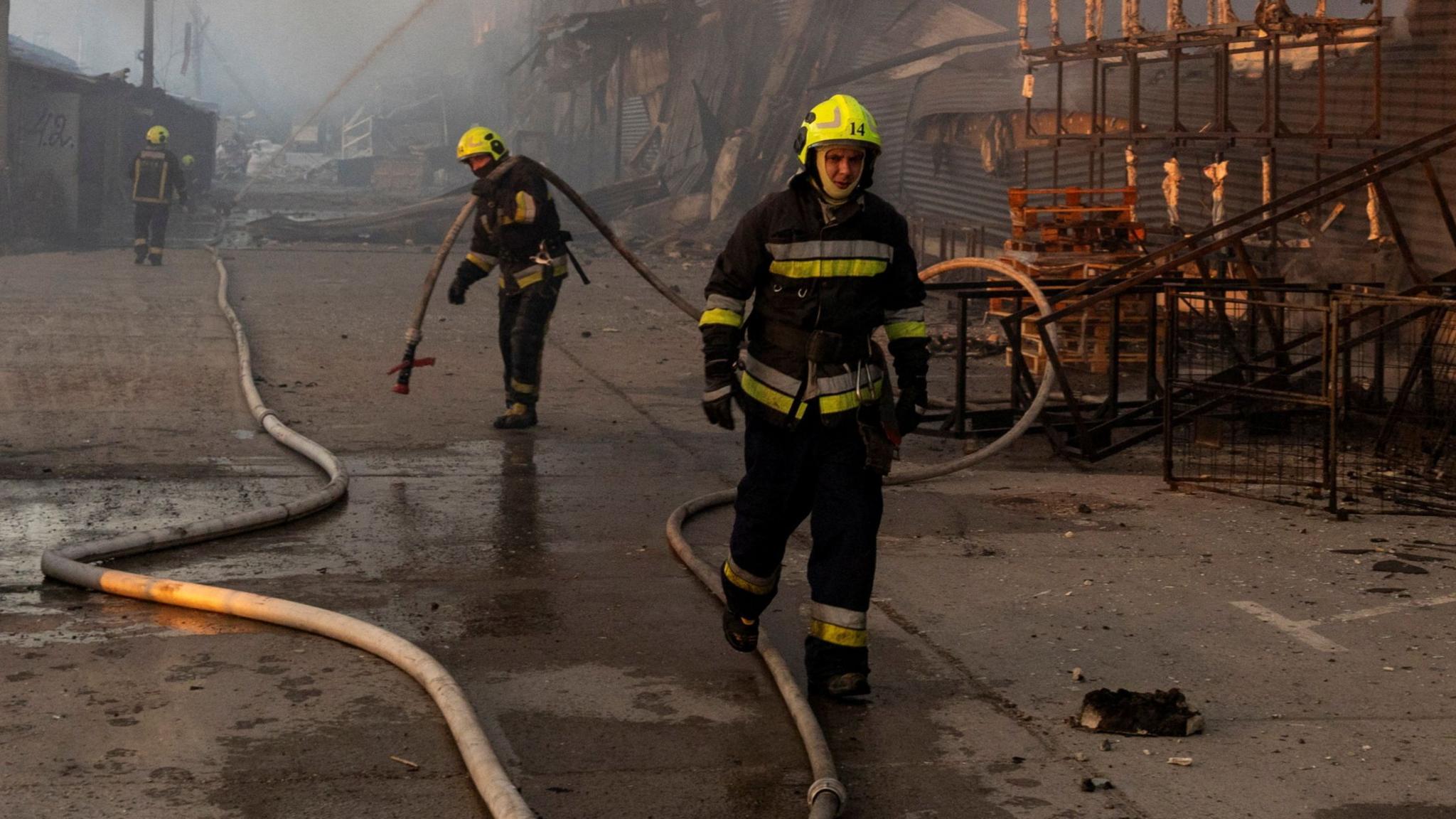
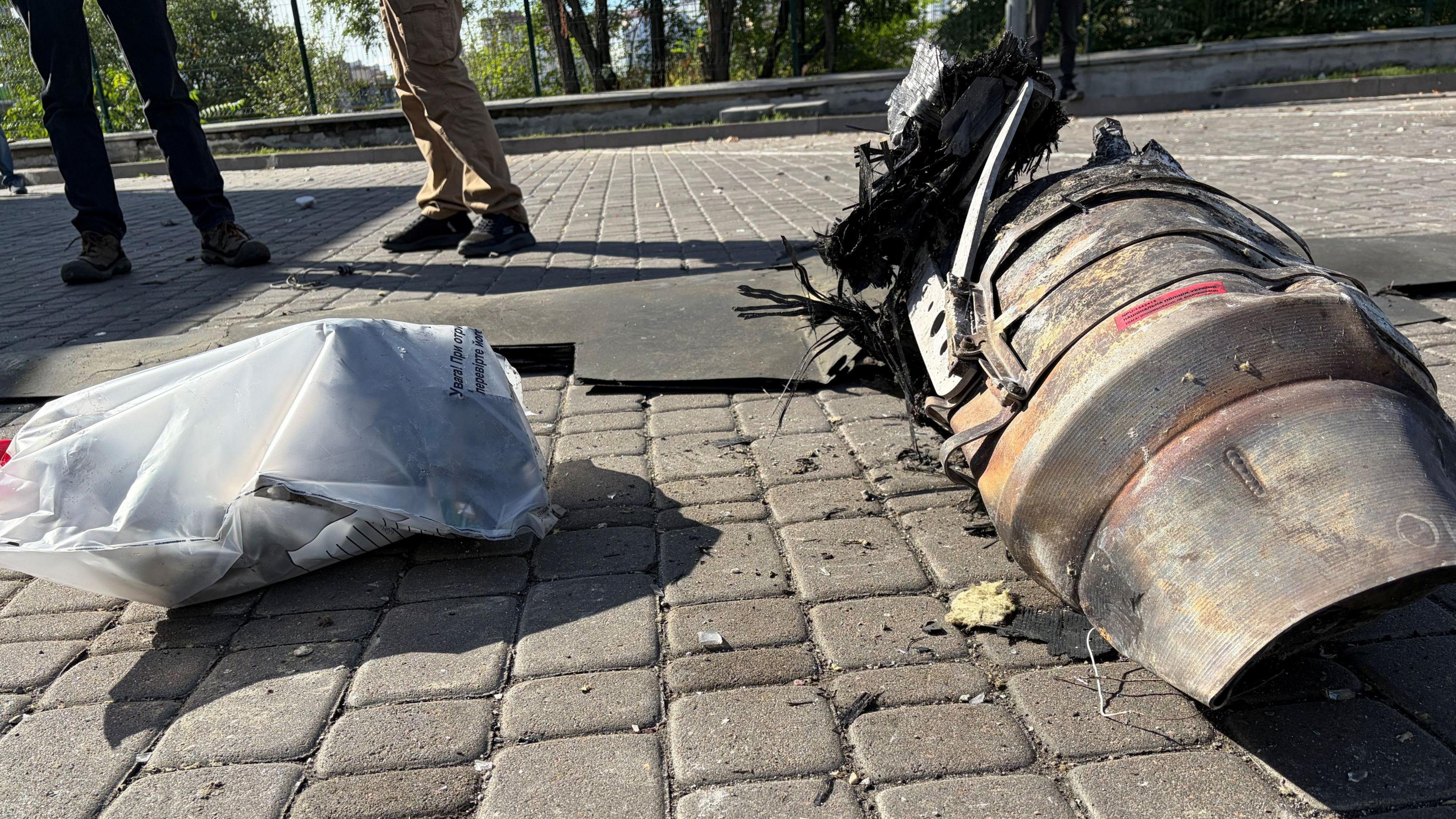
These difficulties are not just natural. Russia’s intensified attacks have reached the heart of Kyiv, with drones and missiles striking inside residential districts, not merely on the outskirts. Master‑minds behind the attacks claim that hardening the city’s defenses is a priority, yet the reality for families is fear and insecurity.
Some have chosen to journey abroad, following Mariia, who plans a winter stay in Egypt’s Red Sea resort of Hurghada. It offers cheaper weather and a safer environment for her four‑ and two‑year‑old children.
Others look to quieter rural spots on the outskirts of the capital. Olena Konoplia, a Kyiv journalist, spent weeks scouting for a remote village, eventually settling on a cottage two hours outside the city. “It’s a town without factories, no railway stations – a place that is unlikely to be targeted,” she explains.
Within Kyiv, authorities are converting sanatoriums and rehabilitation centres into temporary shelters for the elderly and families with young children. The city has also erected fifteen small‑scale power generators, each protected by steel cages, to keep homes warm during planned outages.
Nevertheless, the scarcity of groceries and the threat of further raids keep people on edge. “We will postpone it until conditions become truly unlivable,” says Gradus research founder Evgeniya Blyznyuk, a Ukrainian civil‑society volunteer. “But most residents are not ready to abandon the city and their jobs just yet.”