Former Ukrainian security officer Vitalii Zhykovych, who has been held in Kyiv prison since last July, told the BBC that the bombing of businessman Vadym Yermolayev in Monaco on 30 June was an operation authorised by senior members of the Main Intelligence Directorate (HUR).
The blast on the Monte Carlo seafront badly injured Yermolayev, his 13‑year‑old son, and Yermolayev’s partner. The attacker, Anastasia Berezovska, was later found shot to death in the woods west of Kyiv. Zhykovych, who describes himself as a "freelancer" for Ukraine’s Security Service of Ukraine (SBU), insists he never sent the woman to kill—nor did he personally shoot her.
According to Zhykovych, the operation was proposed by Vladyslav Reut, an active‑duty HUR officer whom he calls "the Boss". Zhykovych says Reut told him the bombing was a retaliation for Yermolayev allegedly funding the annexation of Crimea, which it interprets as him paying taxes to Russia from businesses operating in the occupied region.
Reut is currently facing murder charges along with Zhykovych, while prosecutors say the case is a "complex intersection of state, crime and personal betrayal". Their statements, however, do not address whether the operation was genuinely state‑backed or a rogue scheme.
Yermolayev, a businessman with Cypriot citizenship who renounced his Ukrainian passport years ago, has repeatedly denied having business links to Russia. Some observers suggest the attack could have been linked to organized‑crime groups involved in lucrative scam call‑centres in Ukraine, though evidence for this remains speculative.
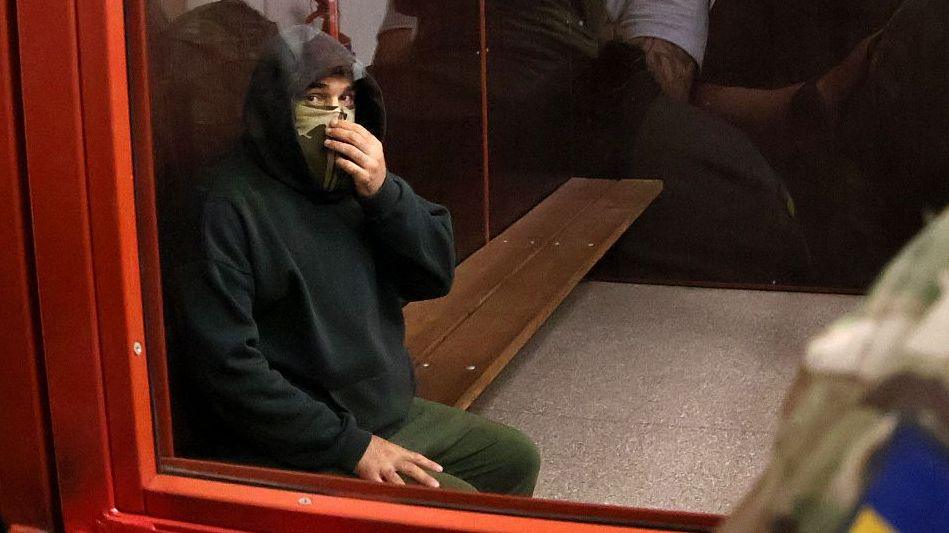
In Kyiv, Zhykovych was only allowed to speak to the BBC at a recent custody hearing, where he appeared alongside heavily armed guards. He said that at some point Reut admitted the operation was not officially authorised, but that "someone had ordered this target from the civilian side".
In the weeks since the Monaco blast, law‑enforcement agencies in Ukraine have requested the HUR to conduct a comprehensive inquiry, while the SBU has issued a statement describing Zhykovych merely as a former law‑enforcement officer.

As investigations into both the Monaco bombing and Berezovska’s death continue, the story remains entangled in an array of claims and counterclaims—ranging from an alleged state‑ordered hit to a personal vendetta linked to complex international business relations.