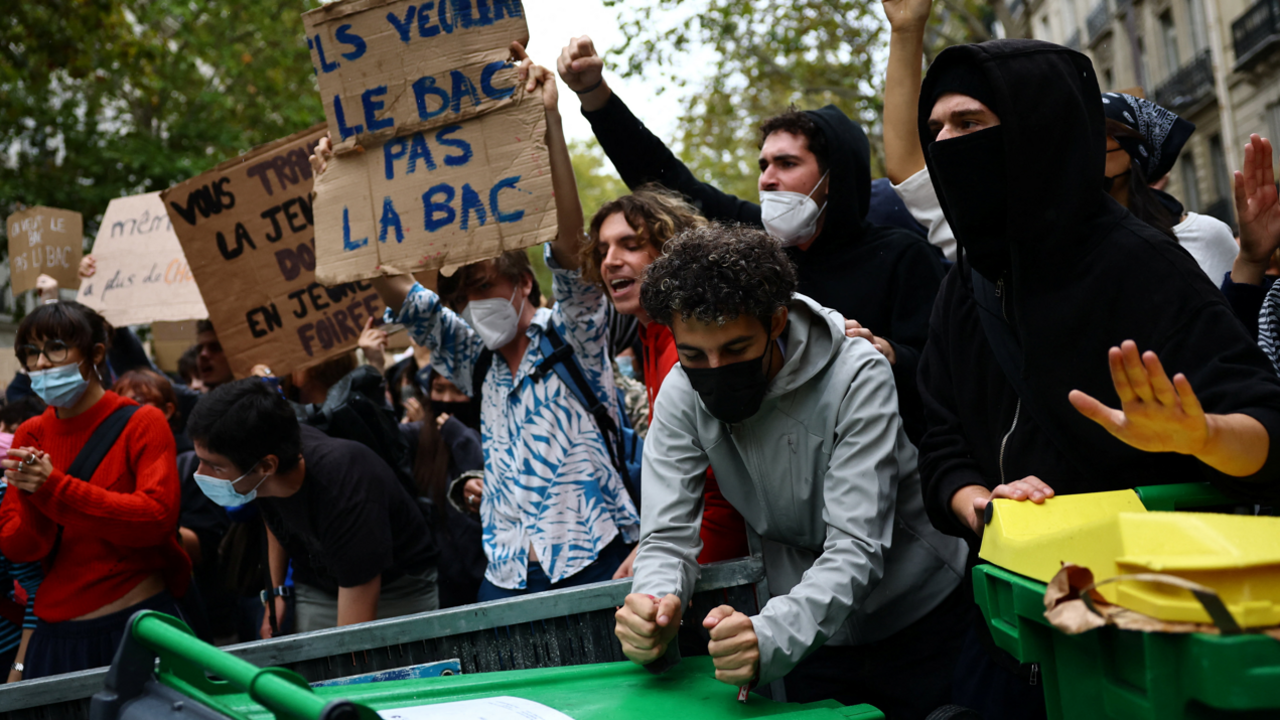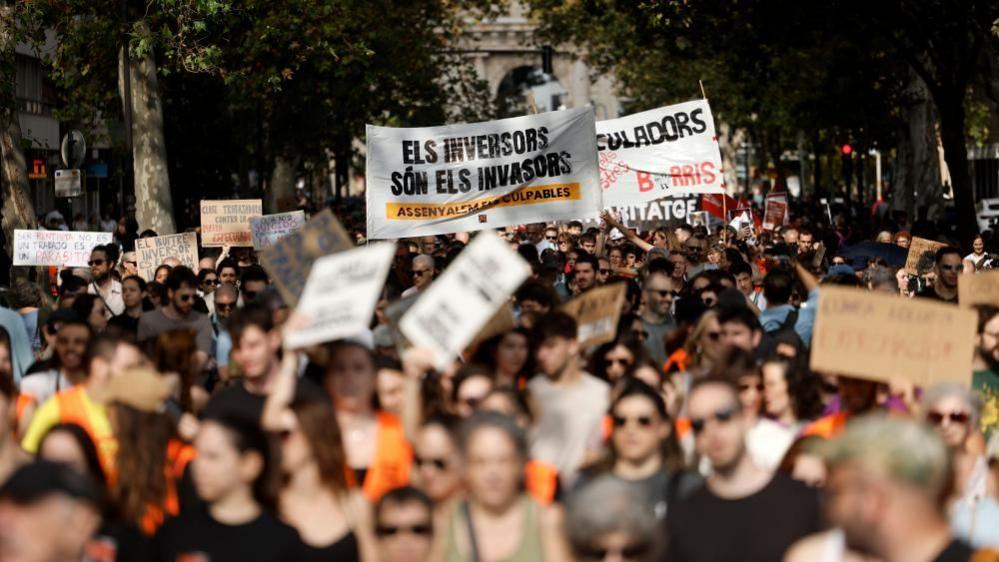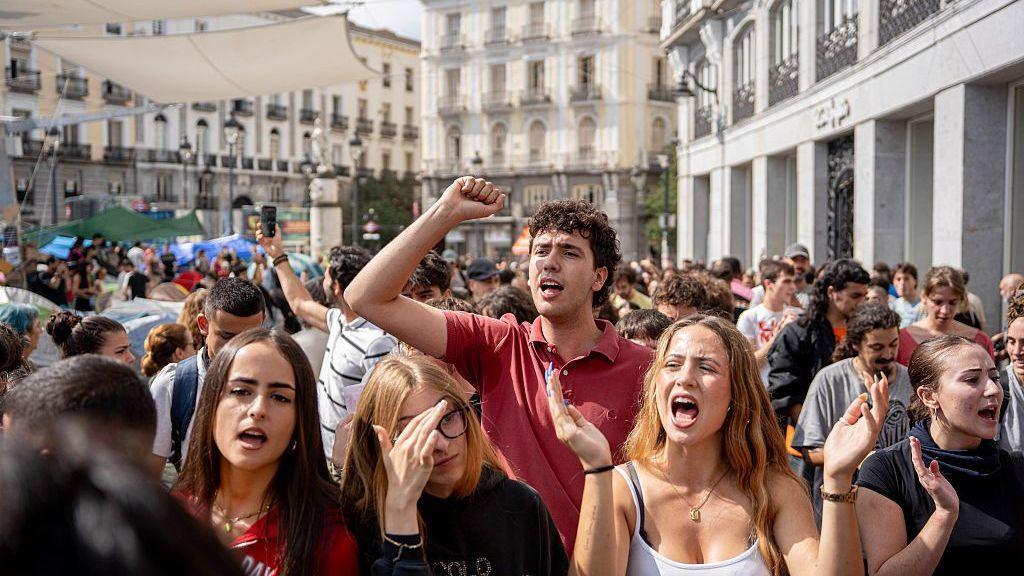

For a week, the central square of Madrid has been home to a tent city populated by young residents of the city. The backdrop of the protests is a nationwide housing crisis marked by a shortage of affordable homes and a steep rise in rents, with some cities reporting increases of over 100% in the last decade.
21‑year‑old graduate Pierina Nicuray has said that the main problem is the lack of available housing and that landlords, often backed by investment funds, are raising prices. “We’re being priced out,” she tells reporters. Fellow protester 19‑year‑old film‑dubbing student Jorge Moreno echoes her view, accusing “vulture funds” of buying homes, leaving them empty, then hiking rents to force tenants out.
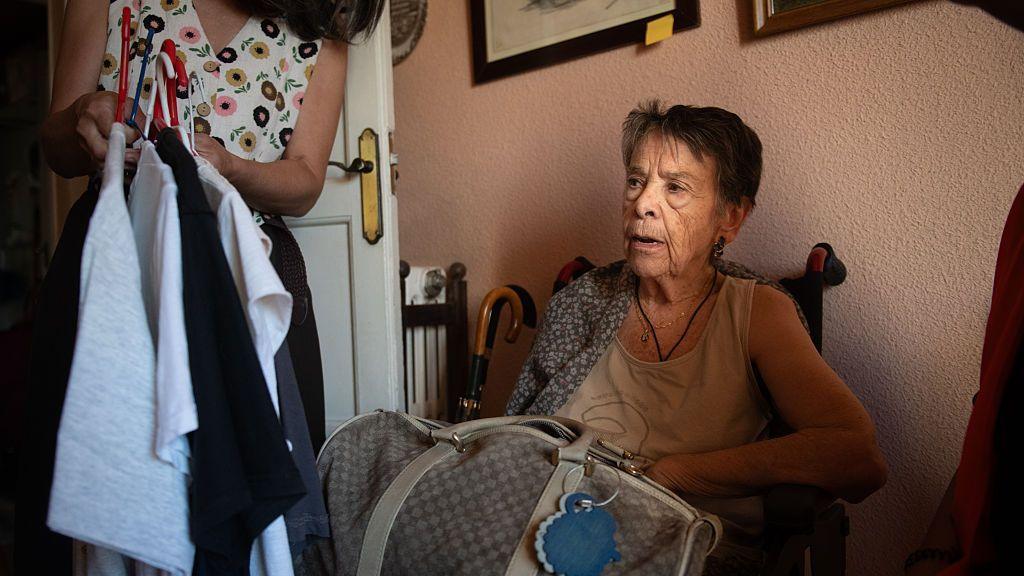
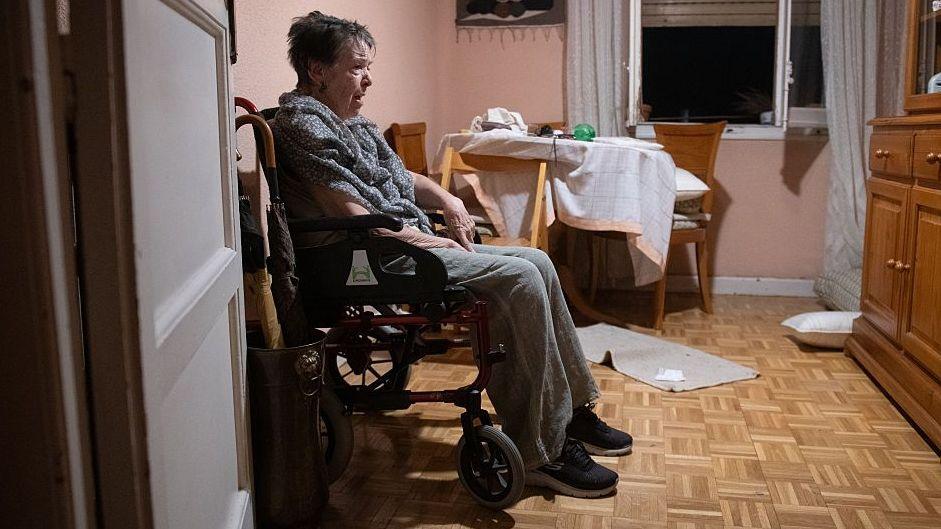
The call for action grew after the death in hospital of 87‑year‑old Maricarmen Abascal, who had been evicted when the owning investment group tried to make her leave and then sharply increased her rent. Although the firm obtained a temporary settlement, the lawsuit and subsequent protests are seen as a flashpoint for the broader debate about property speculation and housing policy.
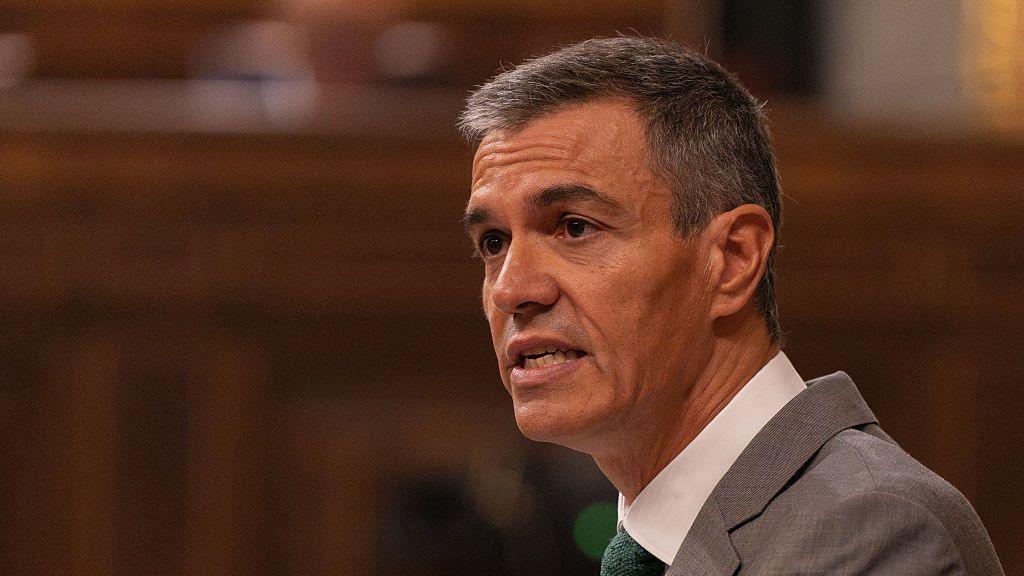
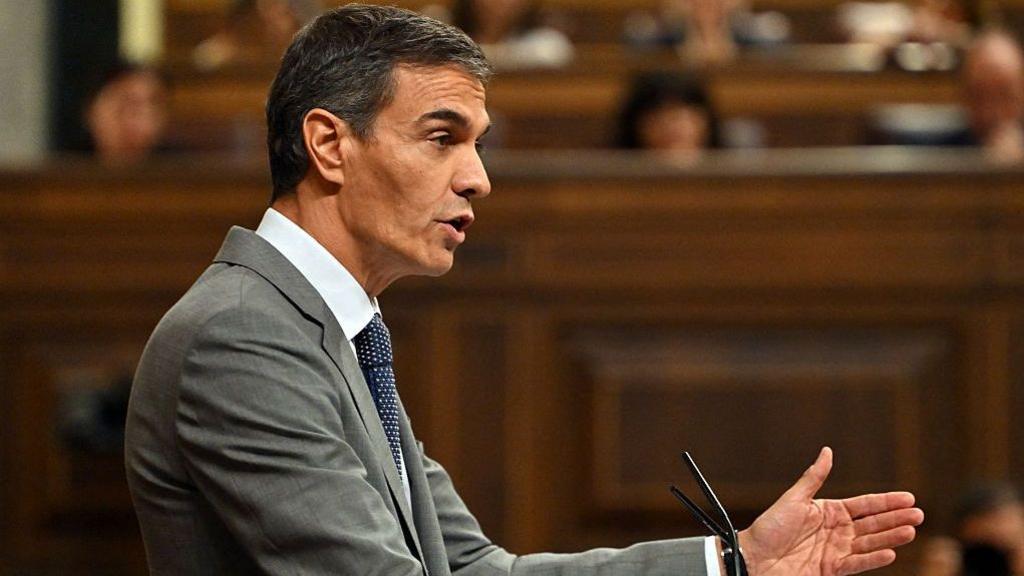
Housing ministers and opposition parties have turned to the government, with Spanish Prime Minister Pedro Sánchez recently presenting measures aimed at protecting tenants from speculative landlords. The measures were rejected by Congress, prompting Sánchez to call an early election—all the while civil society groups continue to rally for stricter rent controls and the expropriation of empty homes.
Economists, such as Jorge Galindo of the Esade Centre for Economic Policy, point out that data from the Bank of Spain indicates only 8% of rental properties are owned by companies, and that a housing shortage rather than speculative ownership is likely responsible for price increases. According to the Bank, Spain’s shortfall could reach one million units by 2028, particularly in major urban centres.
A recent CIS study shows 72% of Spaniards desire higher taxes on landlords with ten or more properties, 76% want limits on short‑term tourist accommodation, and 40% support the expropriation of vacant homes. In light of these findings, the Chile debate will likely continue in Madrid’s streets and parliament alike.