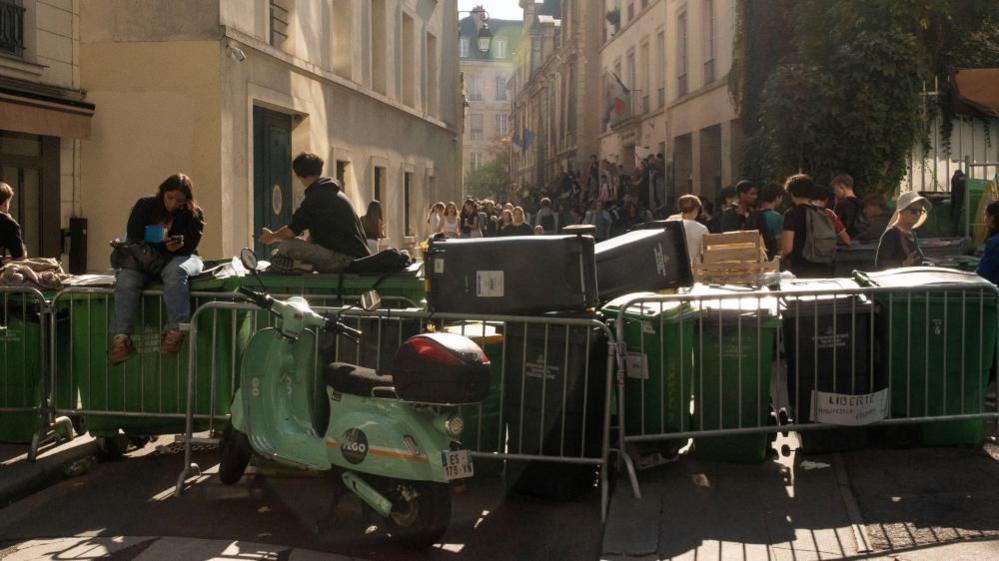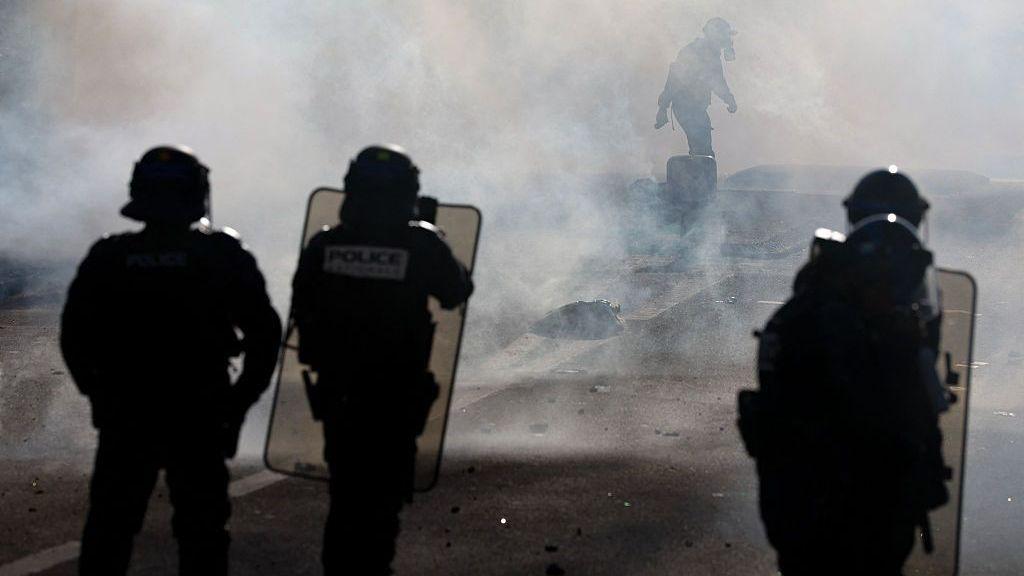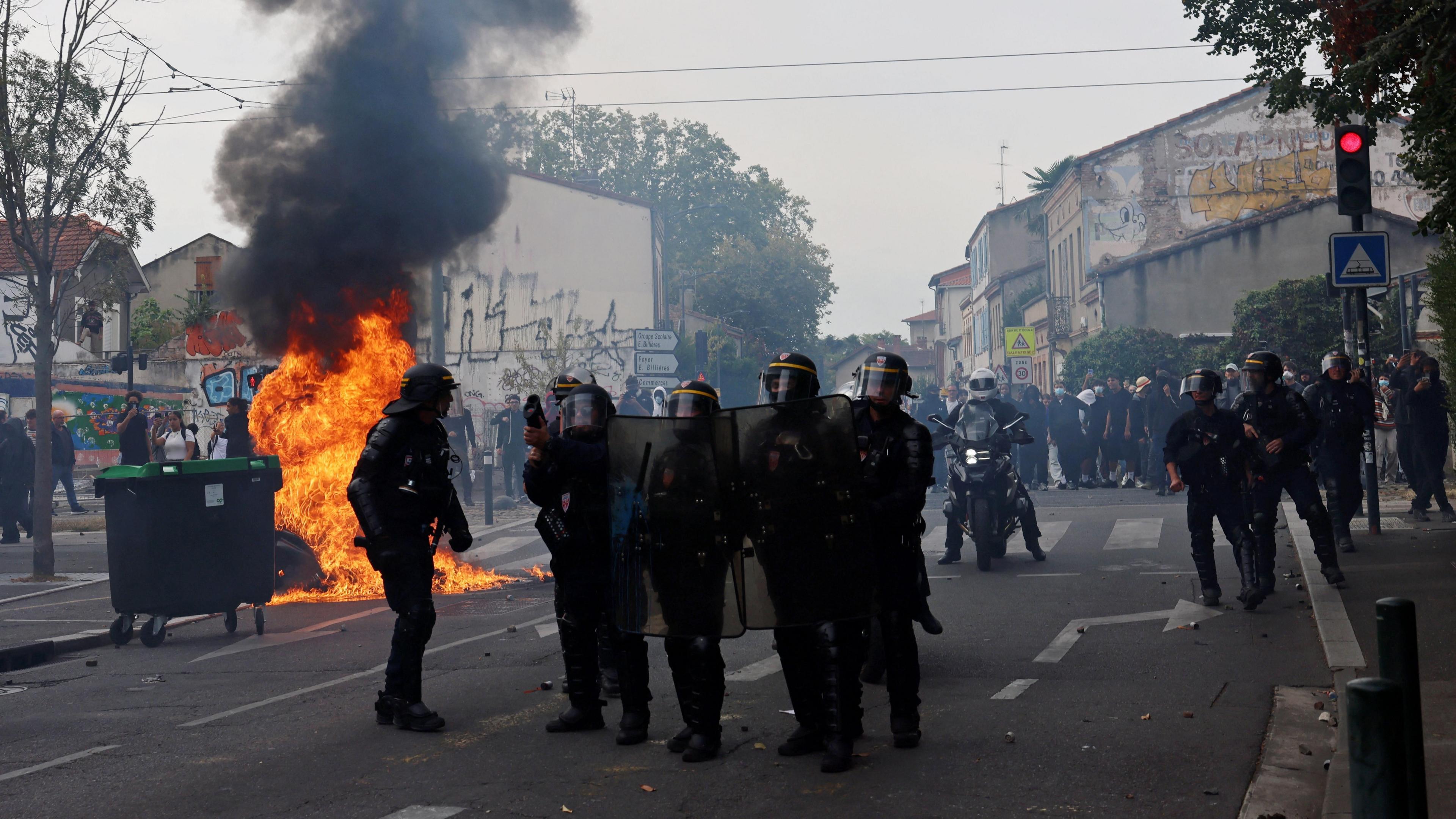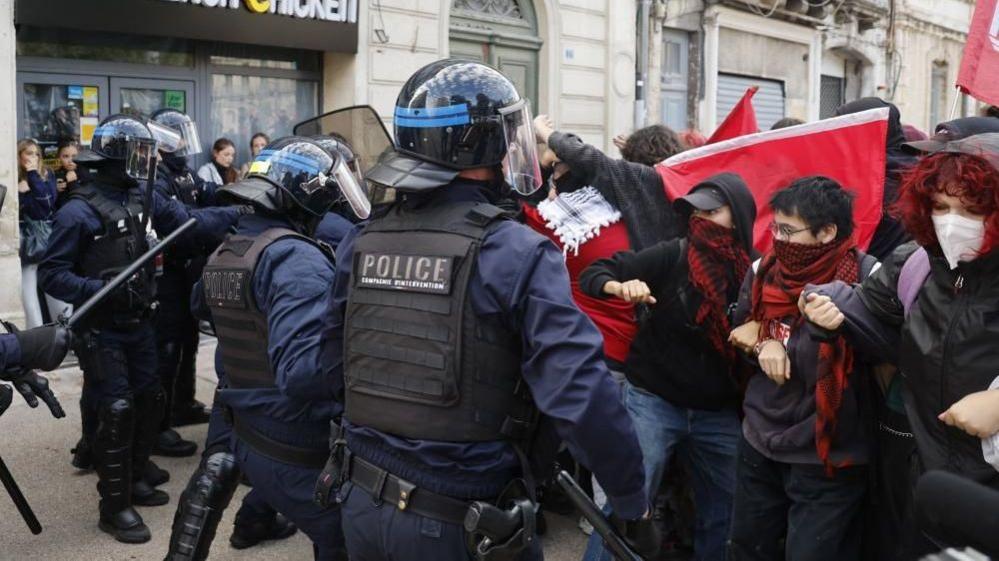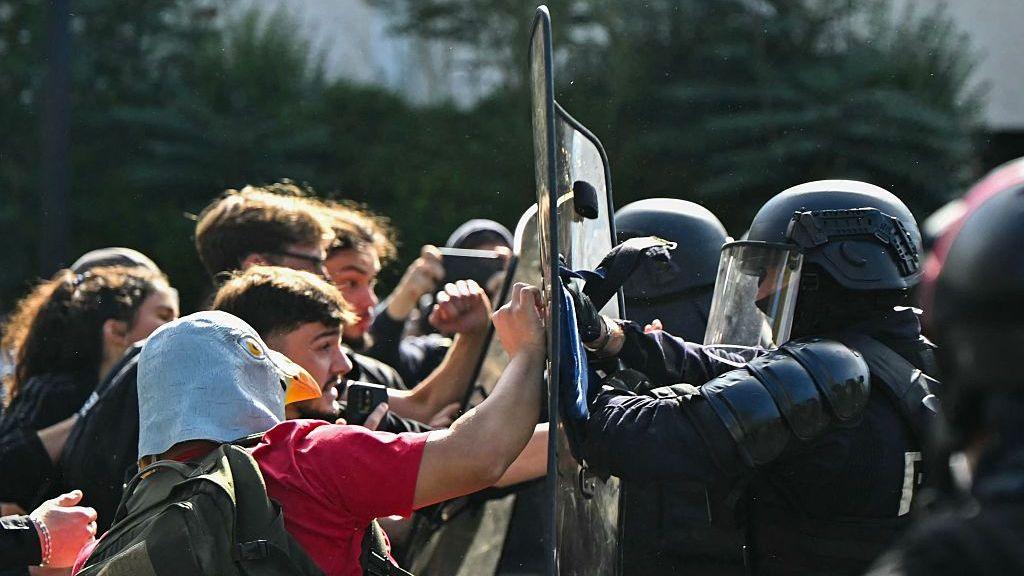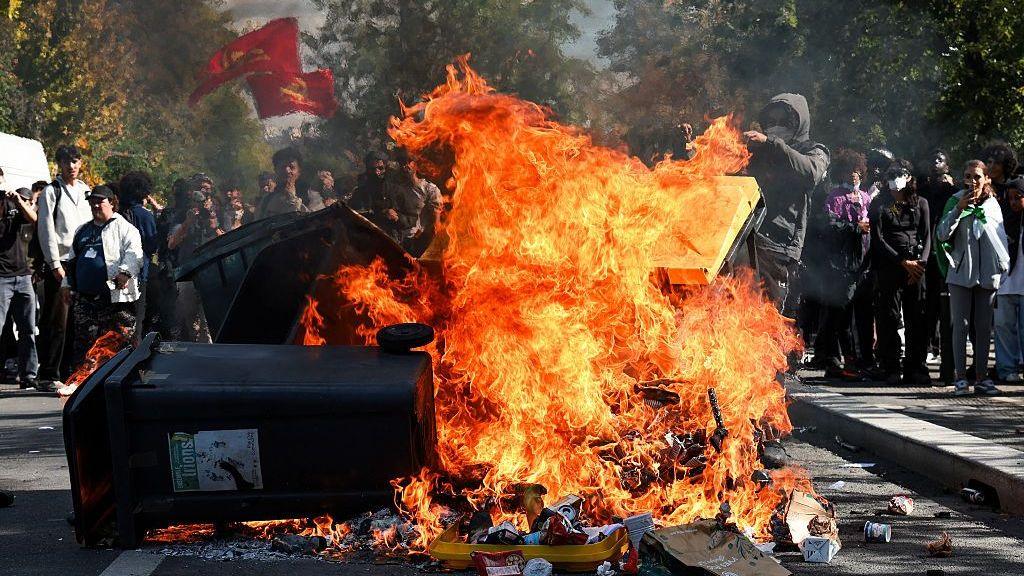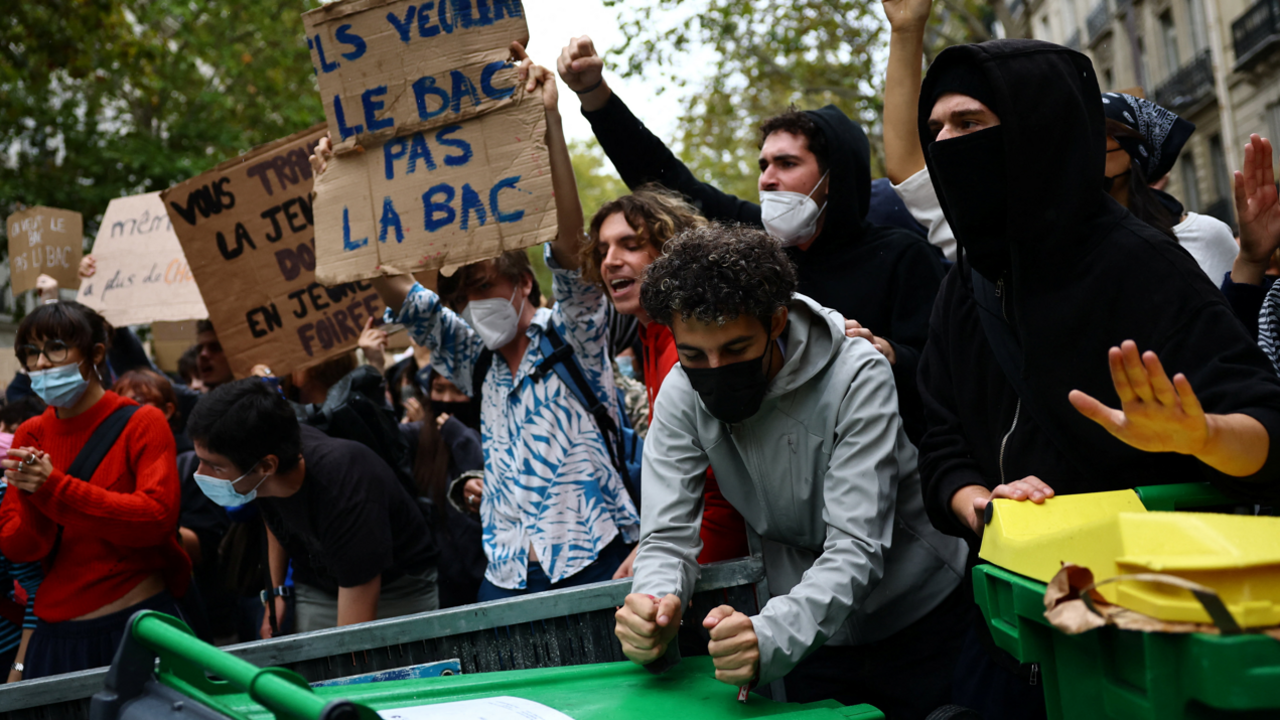

Since late September, students in France have taken to the streets to protest what they say is underfunding in education, blocking gates to thousands of lycées across the country.
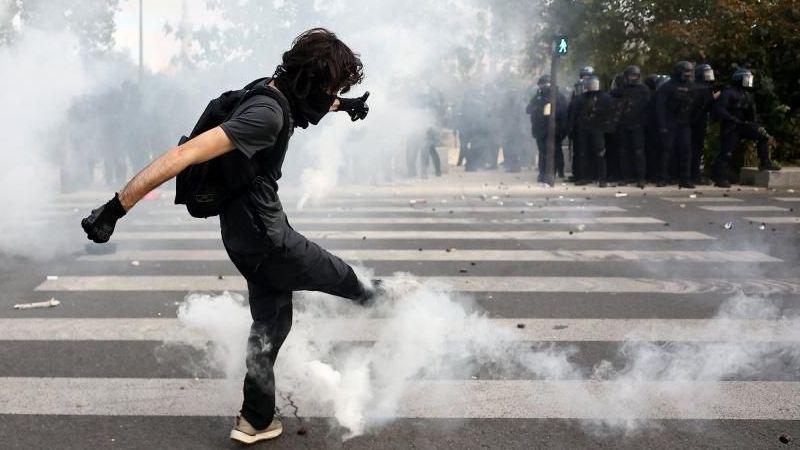
The disruptions have turned violent in some locations, with hundreds of students, teachers and police officers injured and thousands arrested, according to reports.
Students complain about teacher shortages, dilapidated facilities, the ban on mobile phones, and long school days that run until 6 pm, adding that the heat‑wave conditions have made buildings “boiling hot”.
Parcoursup, the online system allocating university places, is also a flashpoint, as many learners feel the platform is opaque and causes them to scramble for limited spots.
Data from the OECD show the French government spends more per high‑school student than the EU average, yet teacher vacancies are relatively low and salaries comparatively low.
Despite comparisons with other European countries where 80‑90 % of students stay in school, the scale, speed and violence of this protest have been described by Interior Minister Laurent Nuñez as unprecedented.
Student protests in France have a long history of influencing policy, from the 1990 rape case that sparked mass rallies, to the large 1998 march that secured €1 billion for schools and 14,000 extra staff.
In recent years, student blockades have also toppled legislative proposals, such as the EU‑style higher‑education reforms in 2006 and the 2018–2019 “yellow‑vest” uprising that forced a change in fuel taxes.
Today’s demonstrators are backed by teachers, labour unions and left‑leaning politicians, and polls indicate that 72 % of the French public see their demands as legitimate and 55 % support the movement.
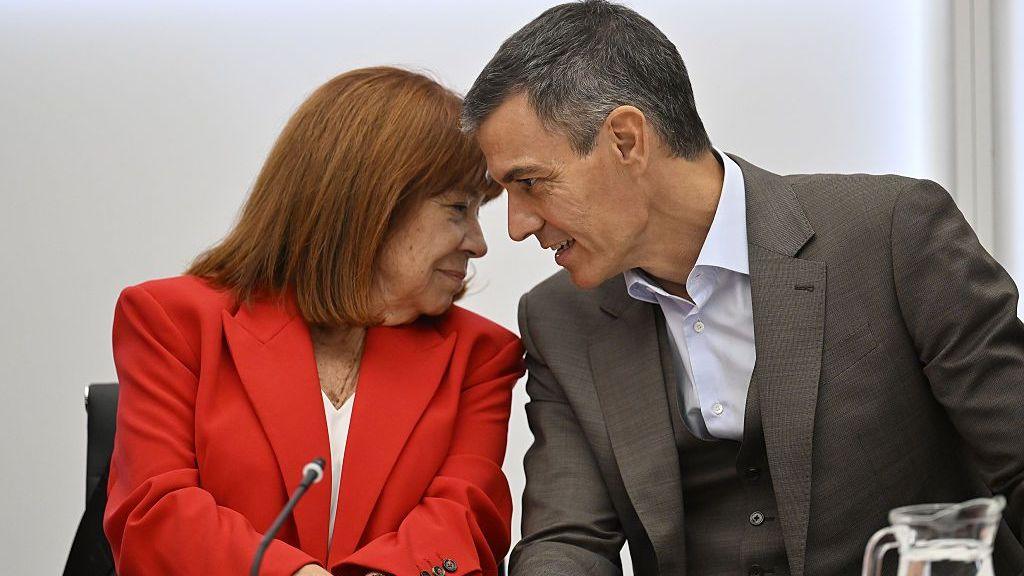
Prime Minister Sébastien Lecornu, facing a fragile budget and a debt record high, says security forces would not “confront high‑school students,” only enforce the law, but the protest momentum may restrain his ability to spend on schools.