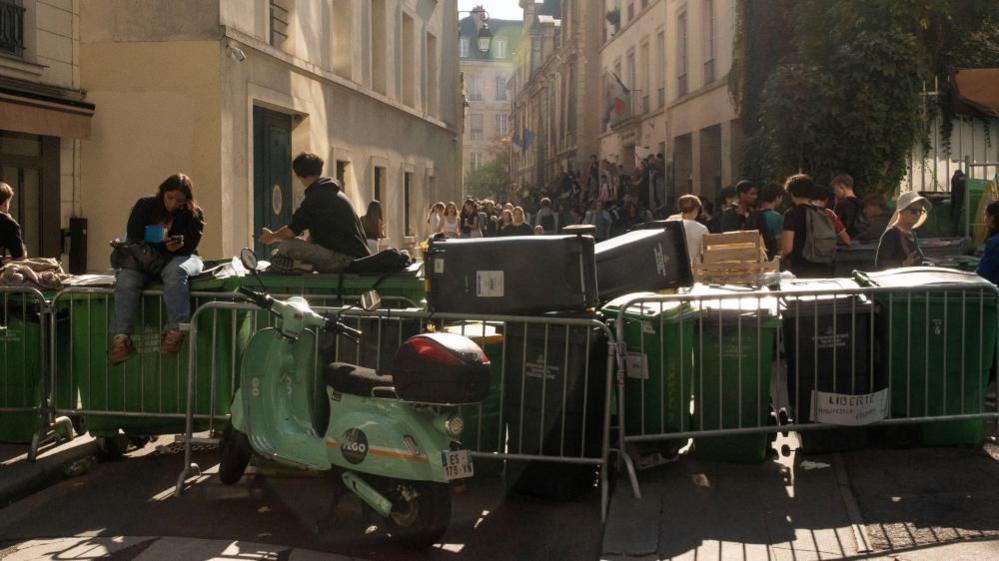
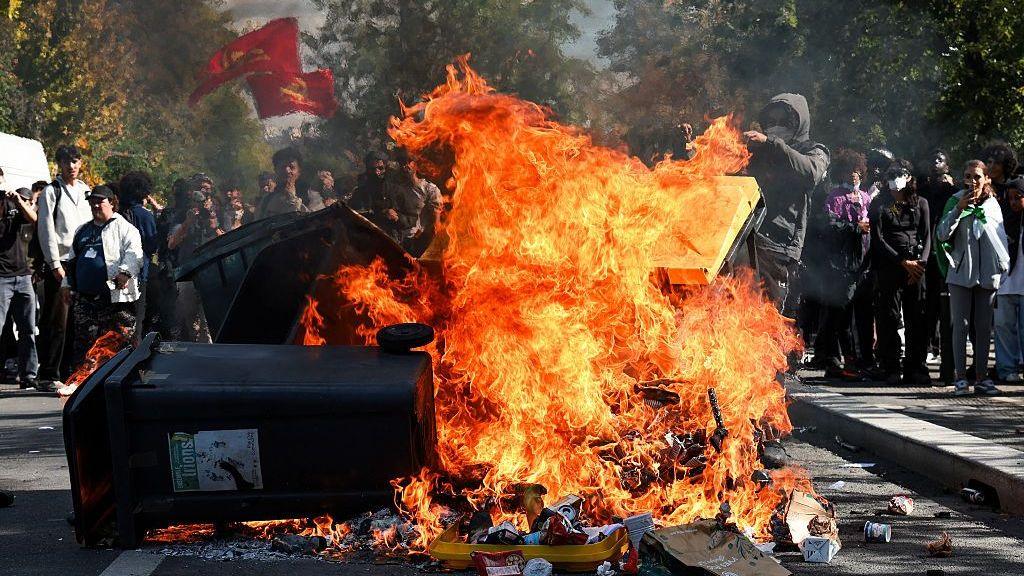
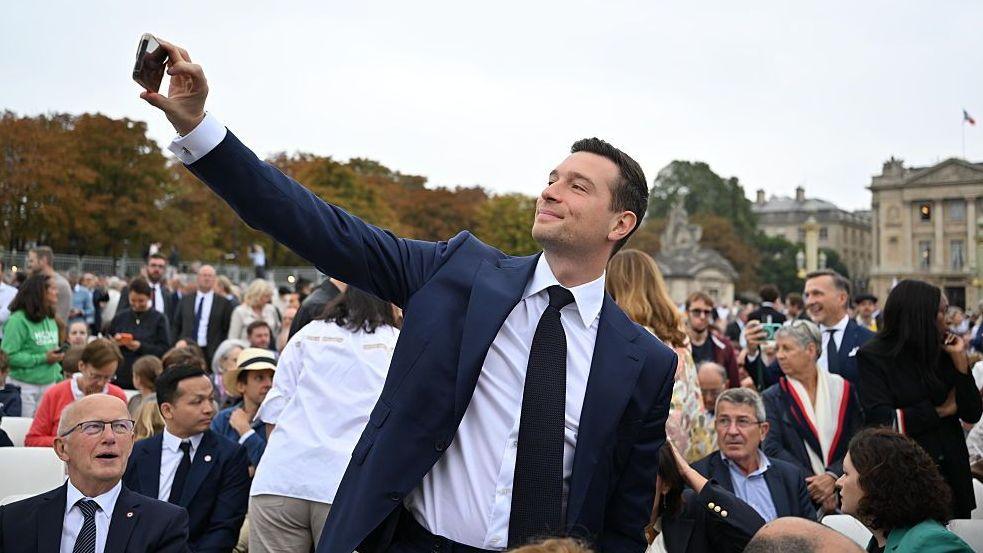
In early October, a massive crowd of students gathered in Lille’s Place de la République, the heart of the city’s historical center, to protest what they see as inadequate investment in France’s high schools. Estimates put the number of demonstrators at several thousand, matching the scale of marches that have rippled across the country since last week on the same demand. — The protesters, many of whom are school teachers’ aides, a small group of high‑school teachers, and upper‑class students, carry signs that read: “We need investment, not downgrades” and “Education is a right, not a privilege.”
The movement’s grievances are rooted in budgetary decisions that critics say marginalize the education sector in favour of other social programmes. Members of the left, including labour unions and some parliamentarians, contend that historical under‑funding has been a deliberate strategy to keep school budgets lean, often at the expense of infrastructure and extracurricular resources. Conservative politicians, on the other hand, argue that the government must balance the national budget and that cutting spending on education would risk long‑term instability. This ideological split underscores the broader national debate that has intensified in the past months.
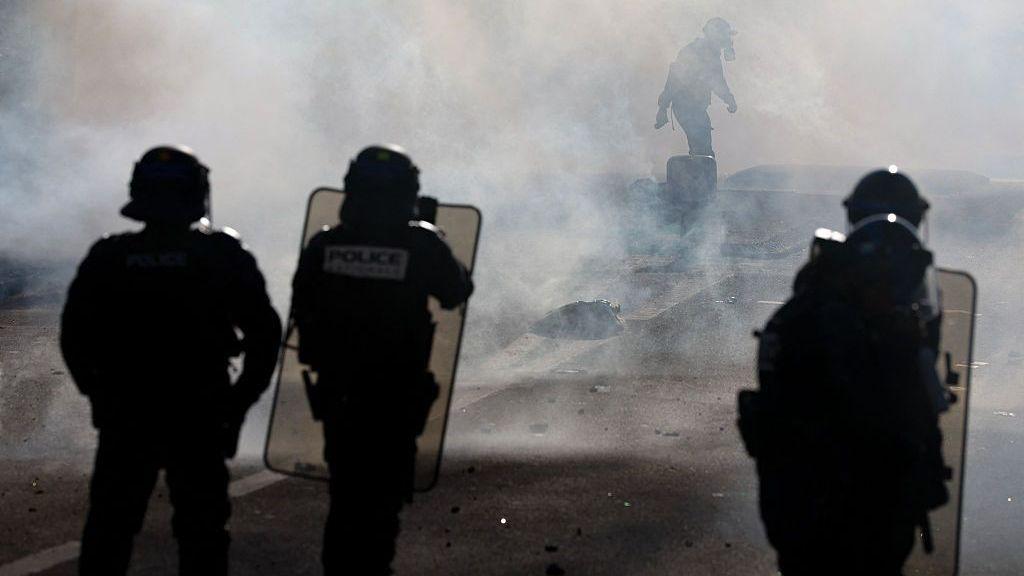
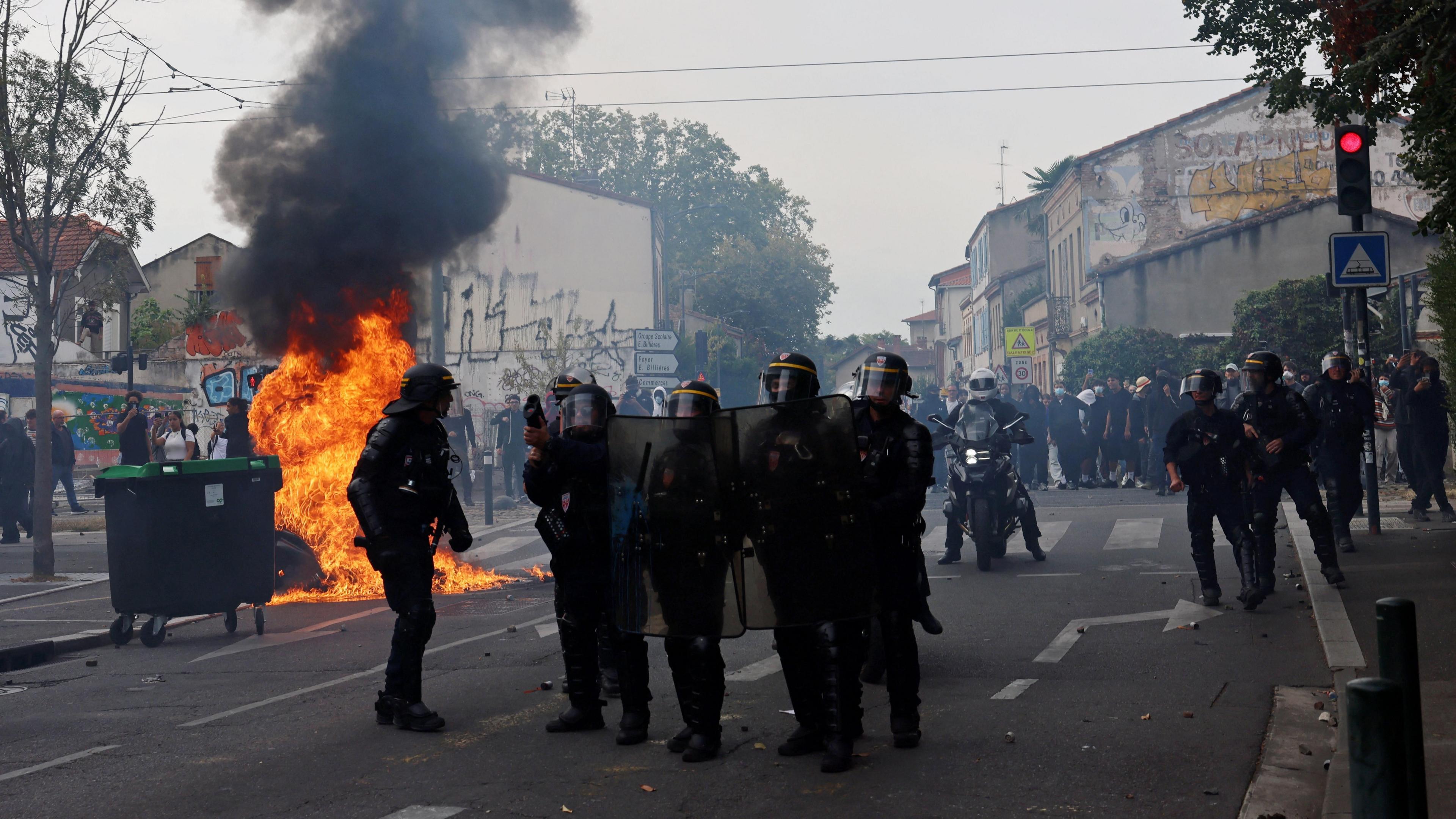
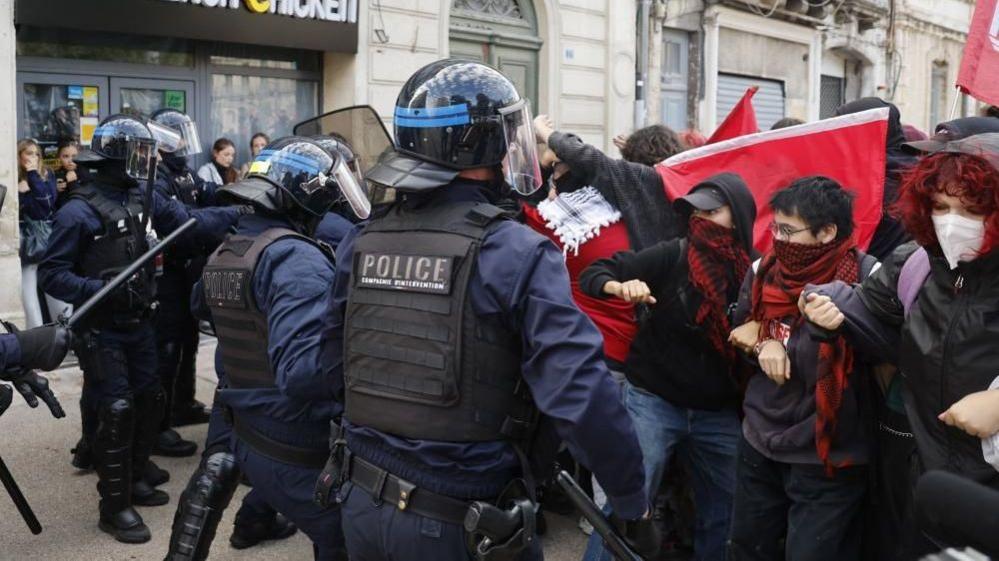
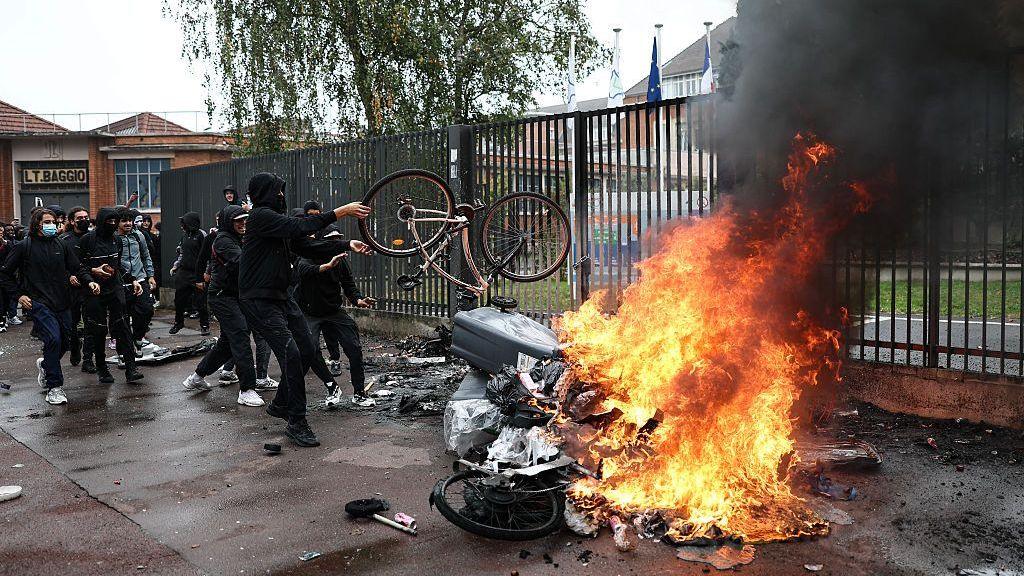
A BBC Europe correspondent on the scene reported a visible police presence surrounding the square, yet no violent clashes had occurred up to the time of the report. The French Ministry of Education has positioned itself as receptive to dialogue, promising to review the budget allocations in the wake of growing pressure. Analysts note, however, that the potential for escalation is real—some smaller and more isolated incidents in other French cities have turned violent when clashes erupted between protesters and authorities, showing how tense situations can quickly spiral.
From a sociological standpoint, the Lille protest reflects a pattern seen throughout European youth movements: a sharp critique of austerity measures seen as eroding public services. Comparisons to the 1968 Paris student protests, the 2005 student demonstrations in Paris, and recent demonstrations in Germany highlight how educational stakes can act as a catalyst for broader discussions about public welfare. Meanwhile, political commentators warn that the continued intensity of the protests may risk eroding public trust in the democratic process if the government is perceived as ignoring legitimate concerns.
At present, the Lille demonstration appears calm but presencesing tense, with authorities preparing for potential unrest as the protests cascade to additional cities. The outcome may well signal the government’s willingness to address the educational shortfall concerns while balancing fiscal responsibility, a balance that will shape France’s political and social climate in the coming months.