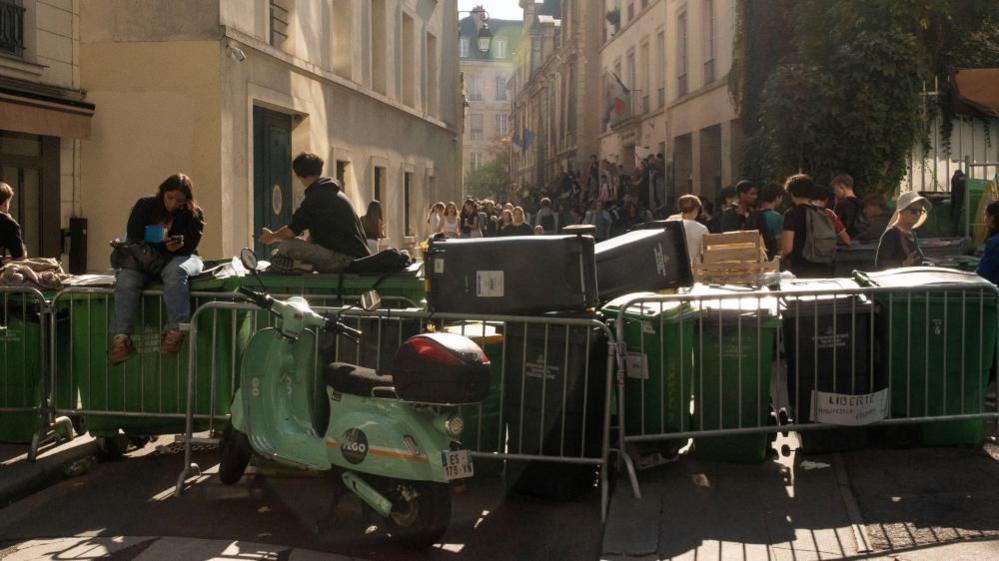
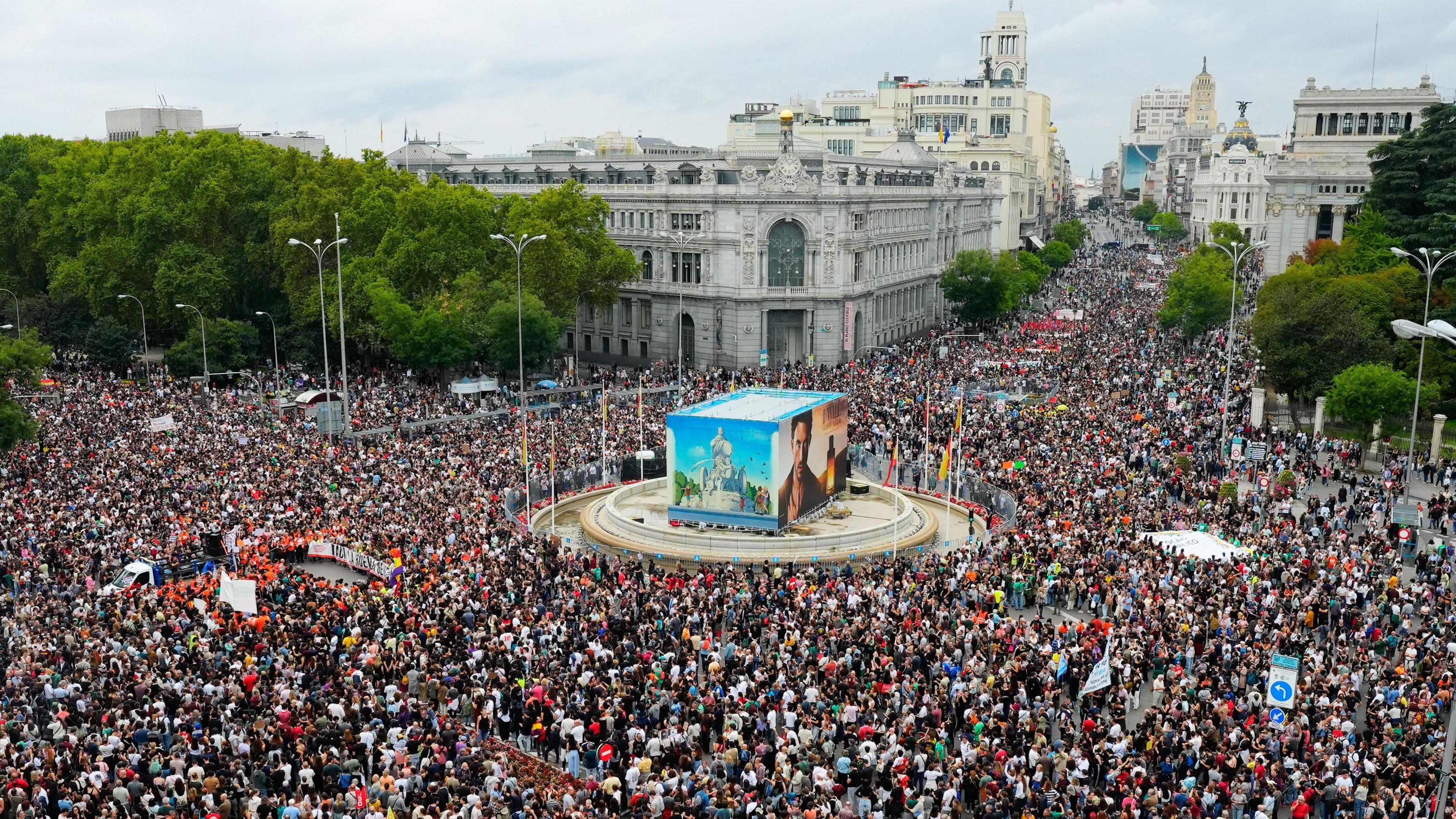
Hundreds of thousands of French students, parents and university activists took to the streets this week, sparking a nationwide wave of school‑related protests that stretched from Paris to Lyon, Marseille and Rennes.
The demonstrations began in the capital when secondary school pupils marched to the Place de la République demanding greater investment in classrooms, teacher pay and digital resources, and calling for “less police repression.” Their calls quickly resonated with teachers’ unions, local legislators and youth groups across the country.
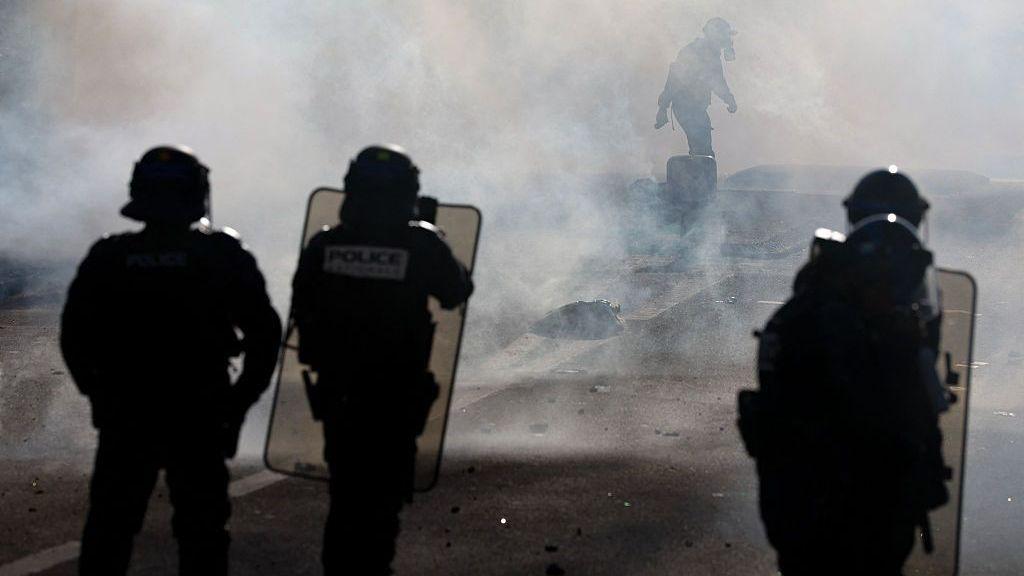
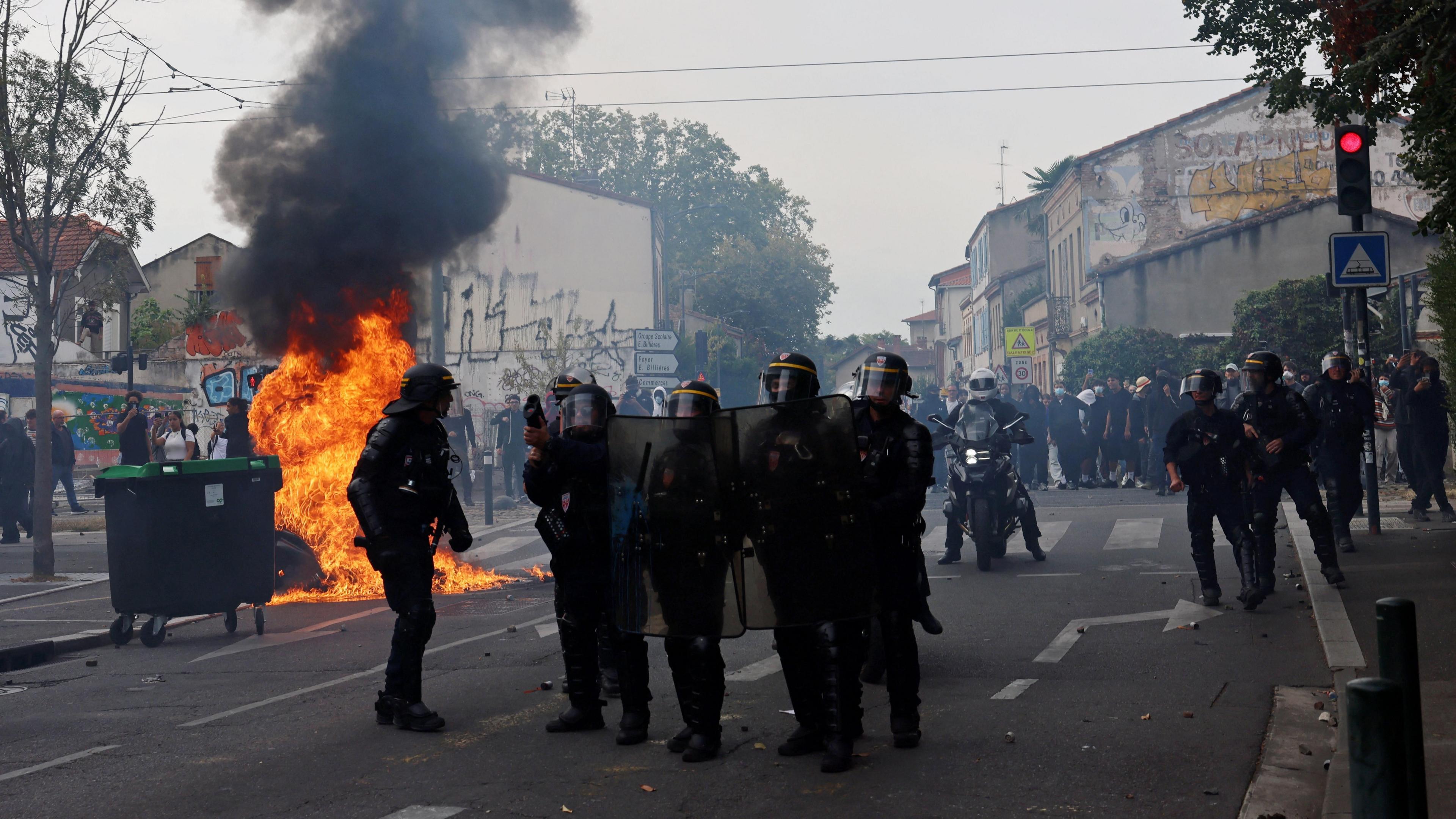
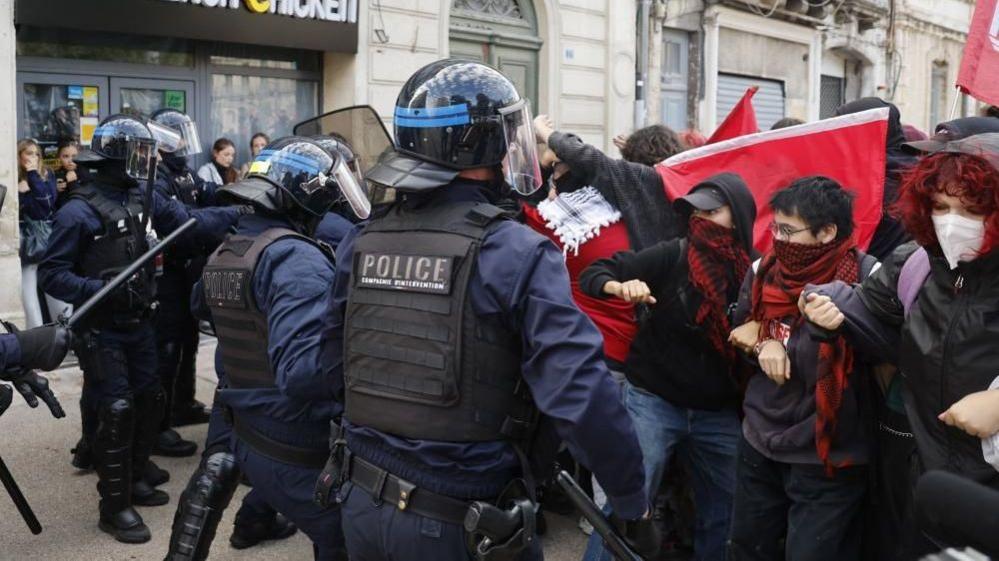
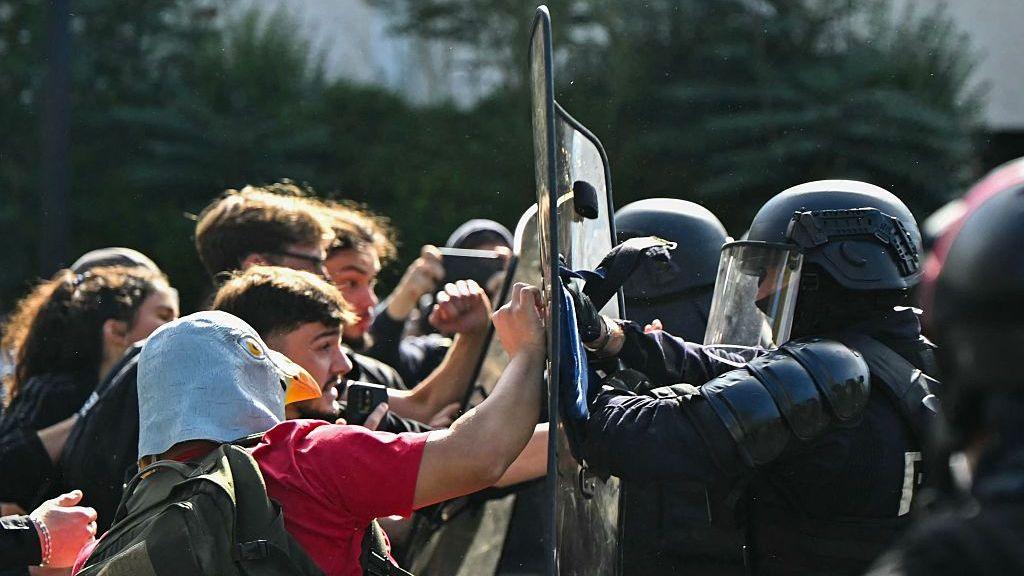
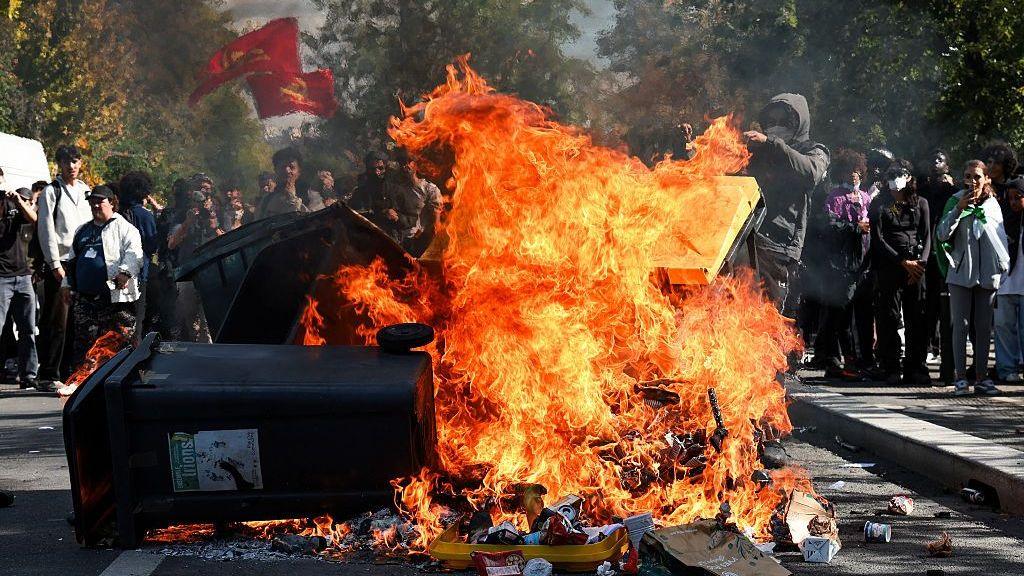
Police in several cities clashed with demonstrators. In Paris and Lyon riot units deployed tear gas, while units in Marseille fired rubber‑bullet rounds and in Rennes used water cannons. Despite alarms raised by social‑media feeds, the scale of the confrontation remained relatively contained, with few serious injuries recorded.
“We are calling for a fair education system, not a security system,” said one activist who asked to remain anonymous. “The police tactics make students feel attacked rather than supported.”
Government officials have warned that the unrest threatens national stability. Prime Minister’s spokesperson emphasised that “public safety must not be sacrificed for political agendas,” a stance that gained both support and criticism from opposition parties.
Analysts suggest the protests reflect deeper frustrations over France’s public‑services budget and the perceived erosion of civil liberties. They note that similar patterns have emerged in other democracies where youth mobilise around schooling and policing reforms.
As the country moves toward a ministerial meeting on education finance next week, observers hope the dialogue will move beyond confrontation and toward tangible policy outcomes for France’s schools.