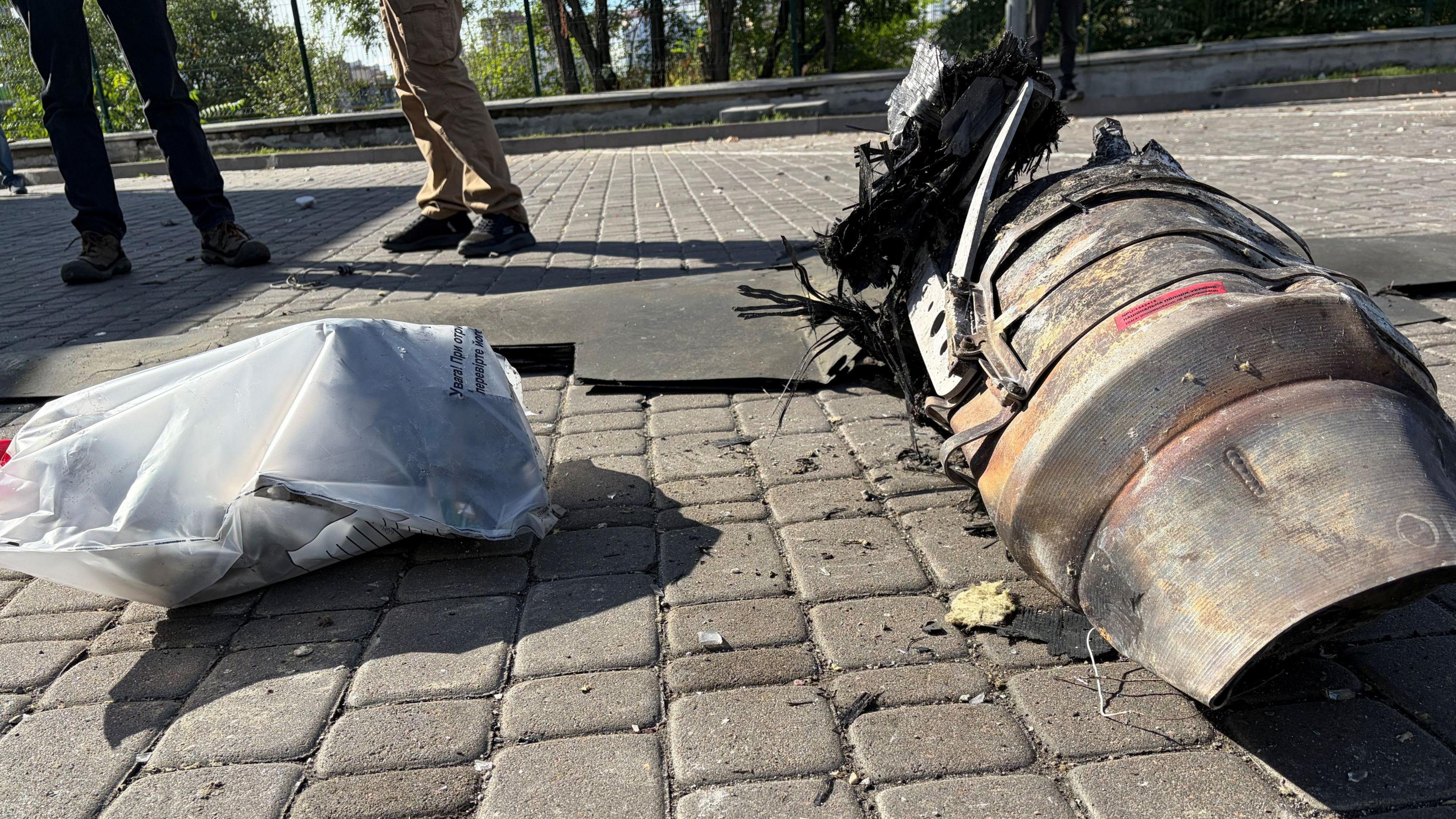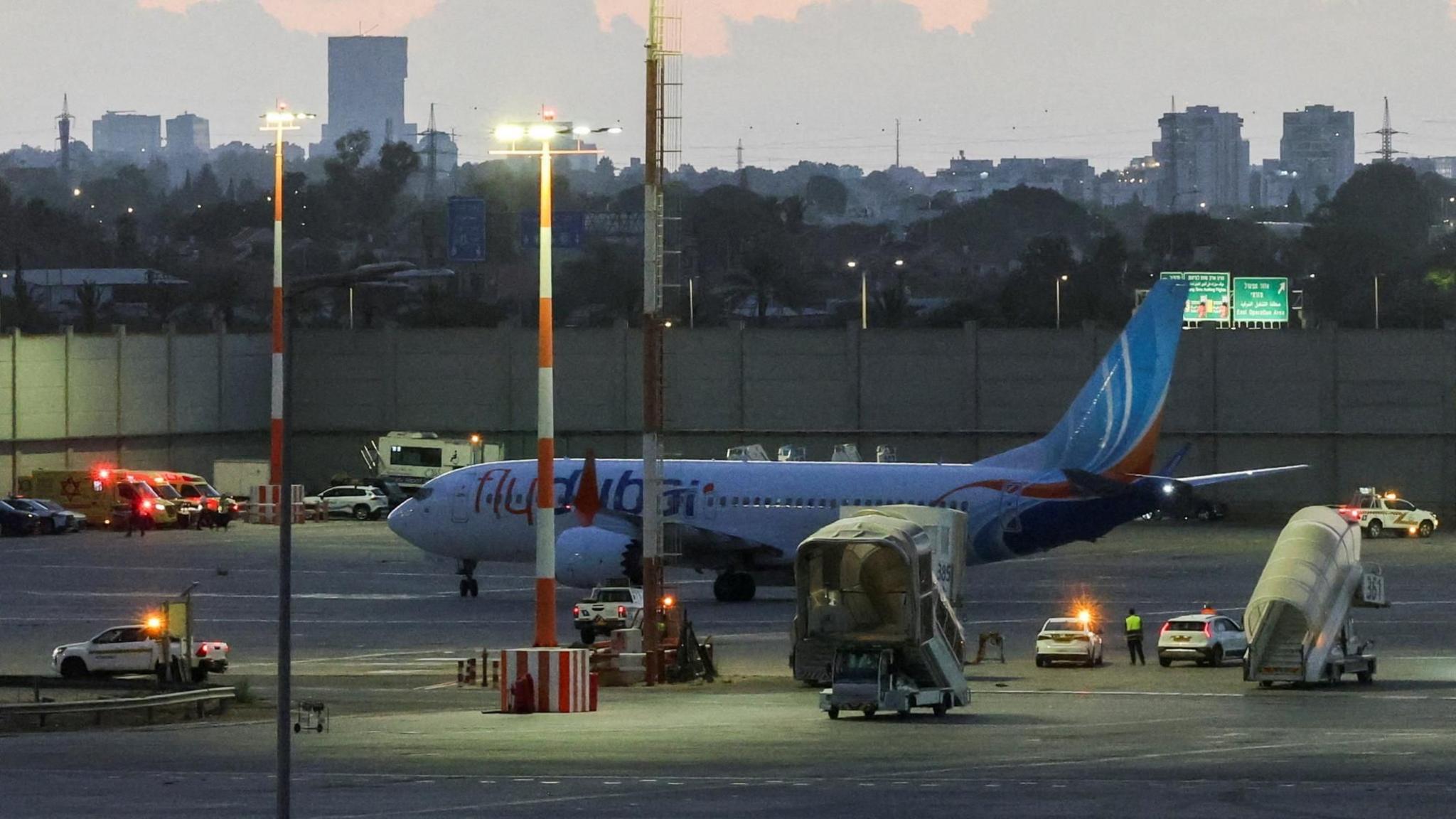
Three Saudi nationals were killed in two missile attacks on Riyadh’s King Khalid International Airport, as confirmed by the General Authority of Civil Aviation.
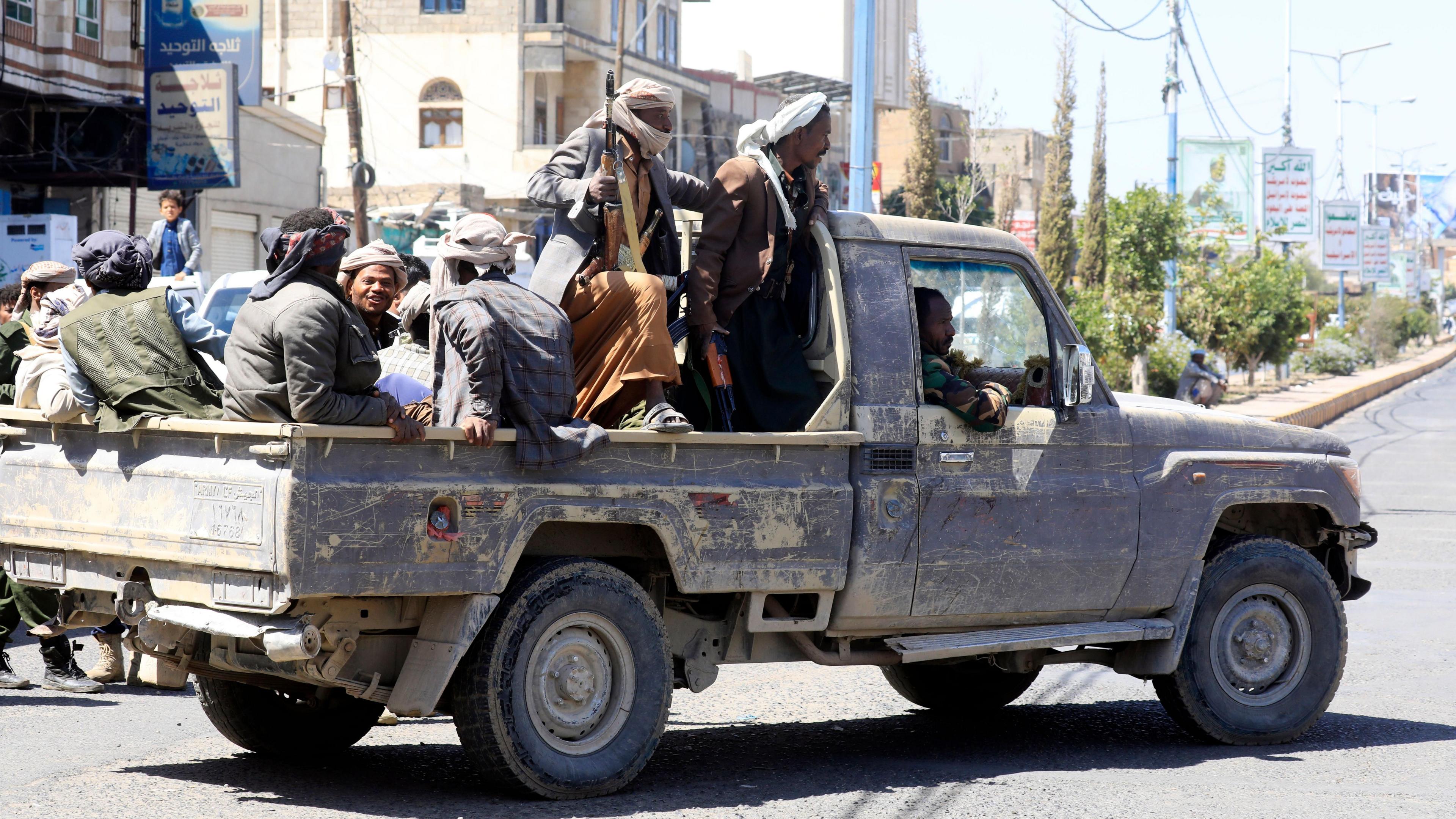
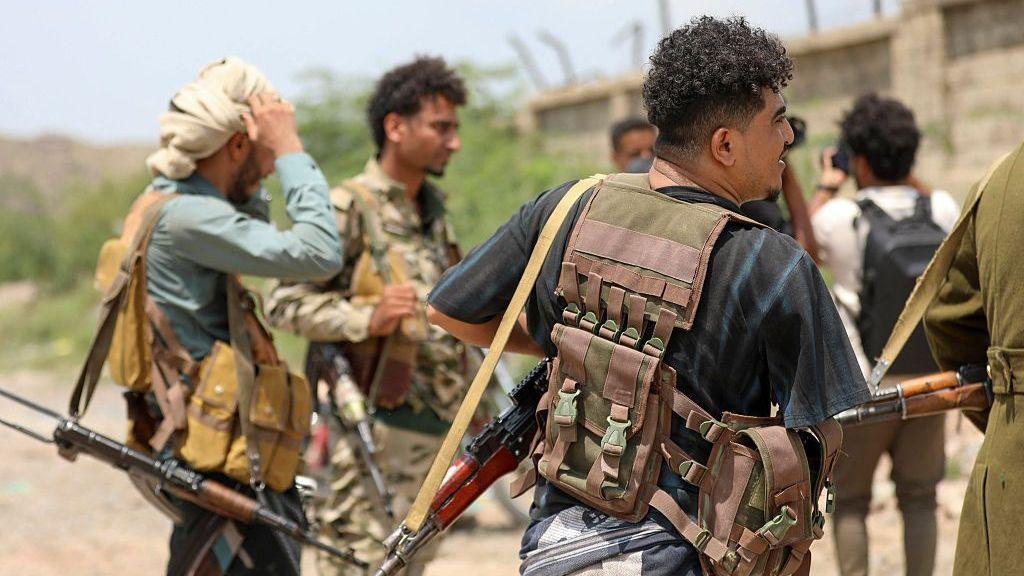
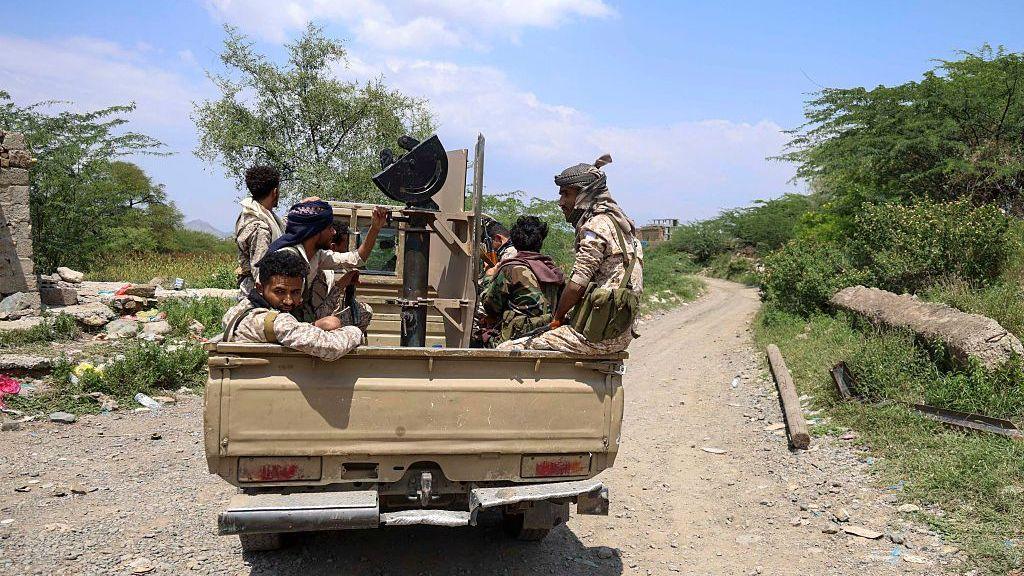
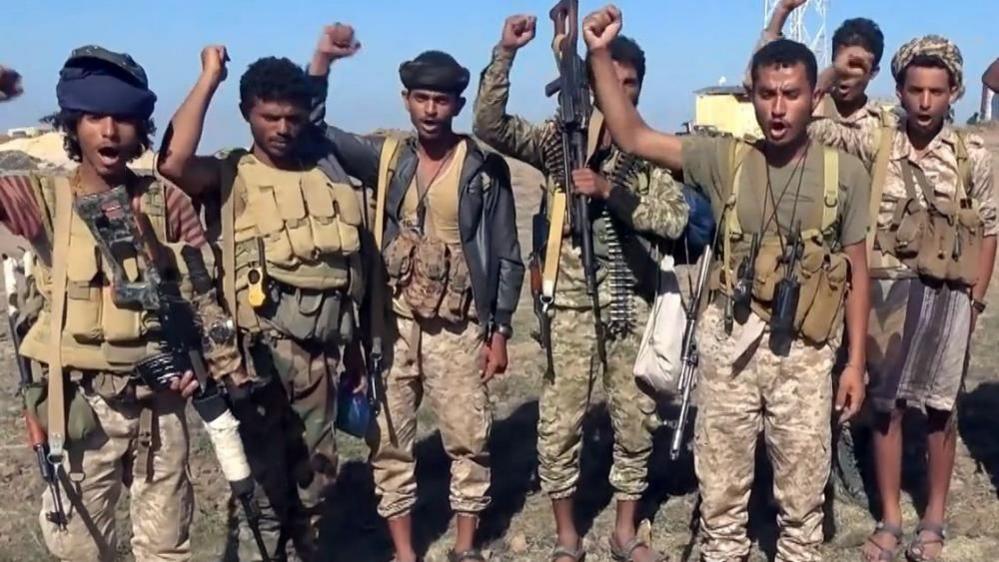
Yemen’s Houthi movement, aligning with Iran, claimed responsibility for the strikes, saying they were responding to what they described as “Saudi aggression” that had seen more than 60 airstrikes in the past 24 hours.
The first attack targeted the airport itself, while the second hit a Saudia airline aircraft, resulting in the death of a pilot. Both incidents injured several Saudi citizens and people of other nationalities, though air traffic resumed normally after the attacks.
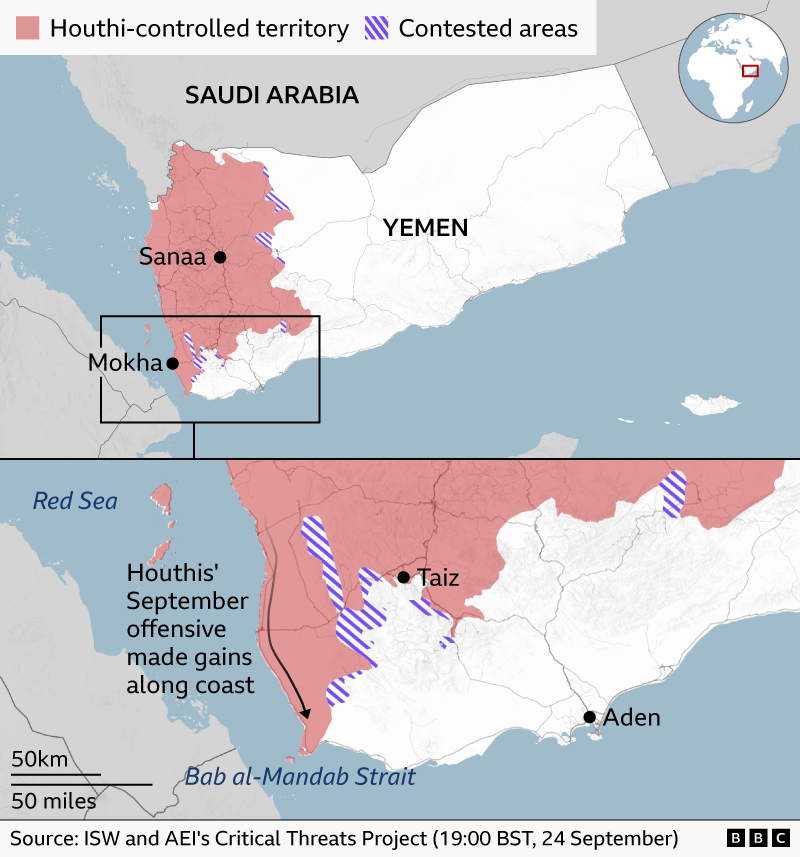
This incident follows similar attacks on Abha International Airport and King Khalid Airport on 6–7 October, where a total of four people were killed and dozens injured. The Saudi‑backed coalition’s previous ceasefire of 2022 has been increasingly fragile, with the Houthis recently seizing strategic coastal areas—most notably the port of Mokha on the Bab al‑Mandab Strait.
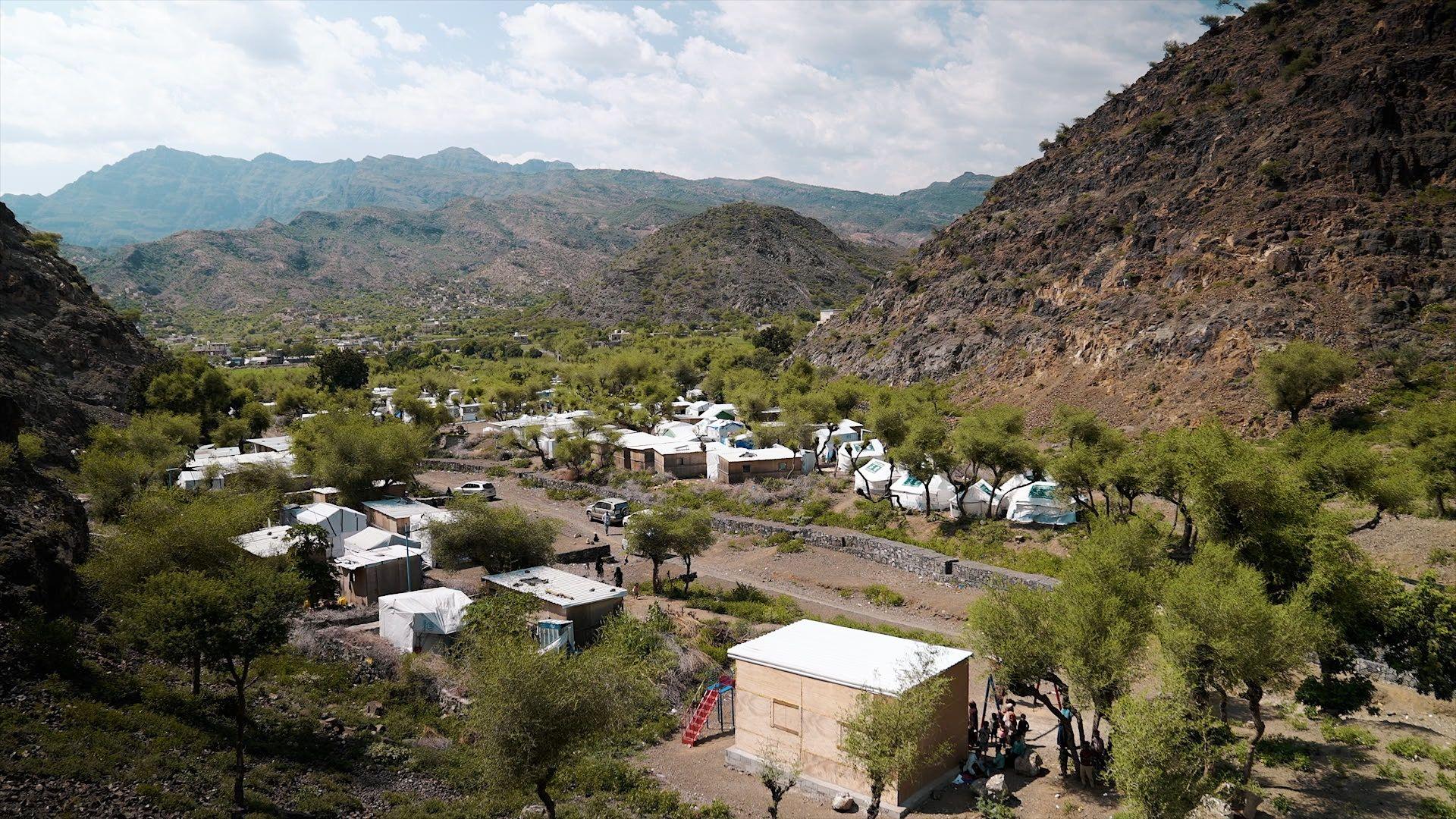
The broader conflict is rooted in Yemen’s civil war, where the Houthis control the northwest and have been fighting Saudi interference since 2015. The Saudi‑led army’s intervention was aimed at restoring the internationally recognised Yemeni government, but the war has escalated into a humanitarian catastrophe, with millions facing displacement and food insecurity.
The use of missiles and drones by the Houthis against Saudi targets signals a new phase of escalation that could trigger wider regional fallout. Analysts warn that repeated attacks might prompt Saudi retaliation, further fracturing the fragile balance in the Gulf and the Red Sea region.