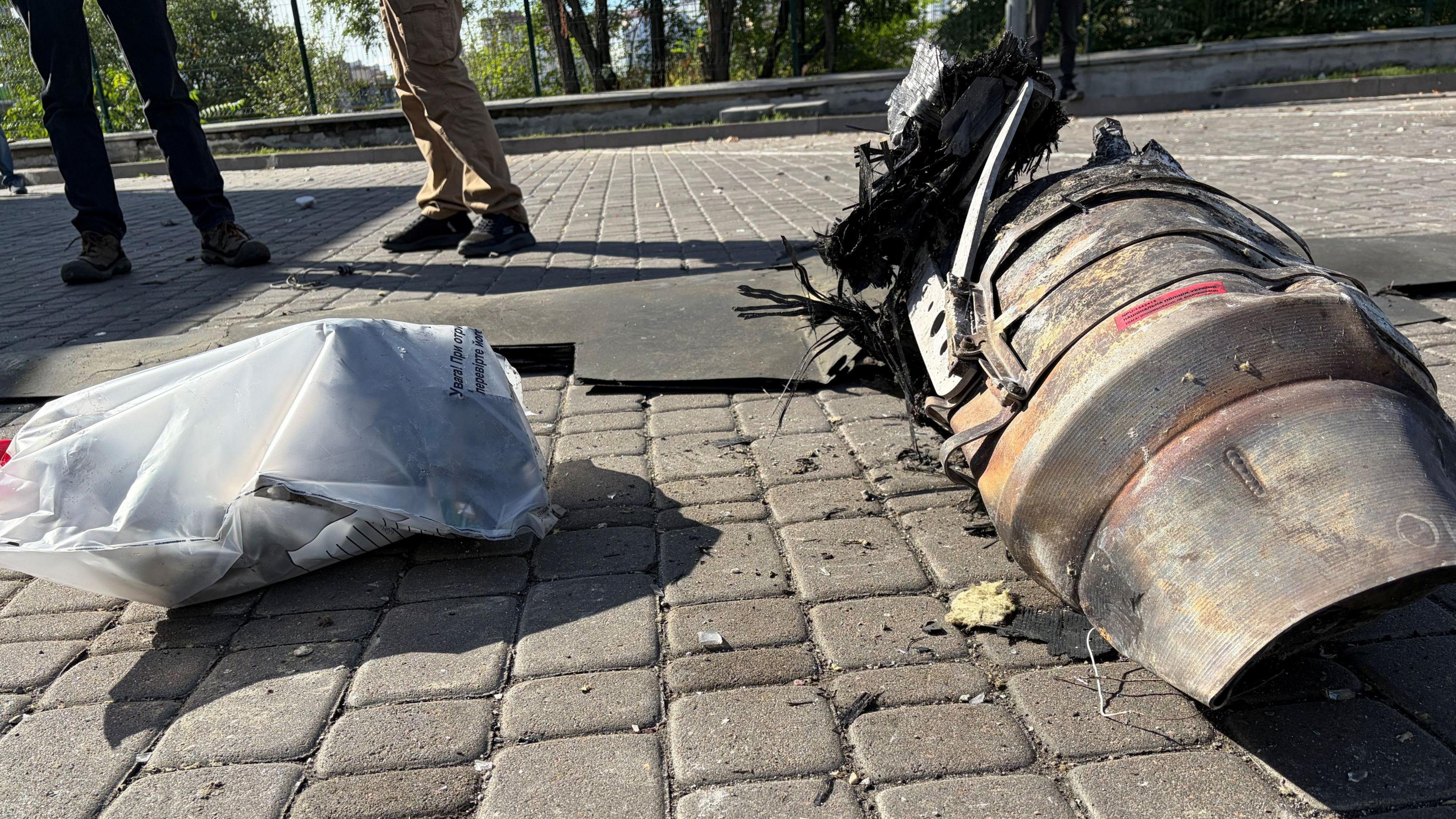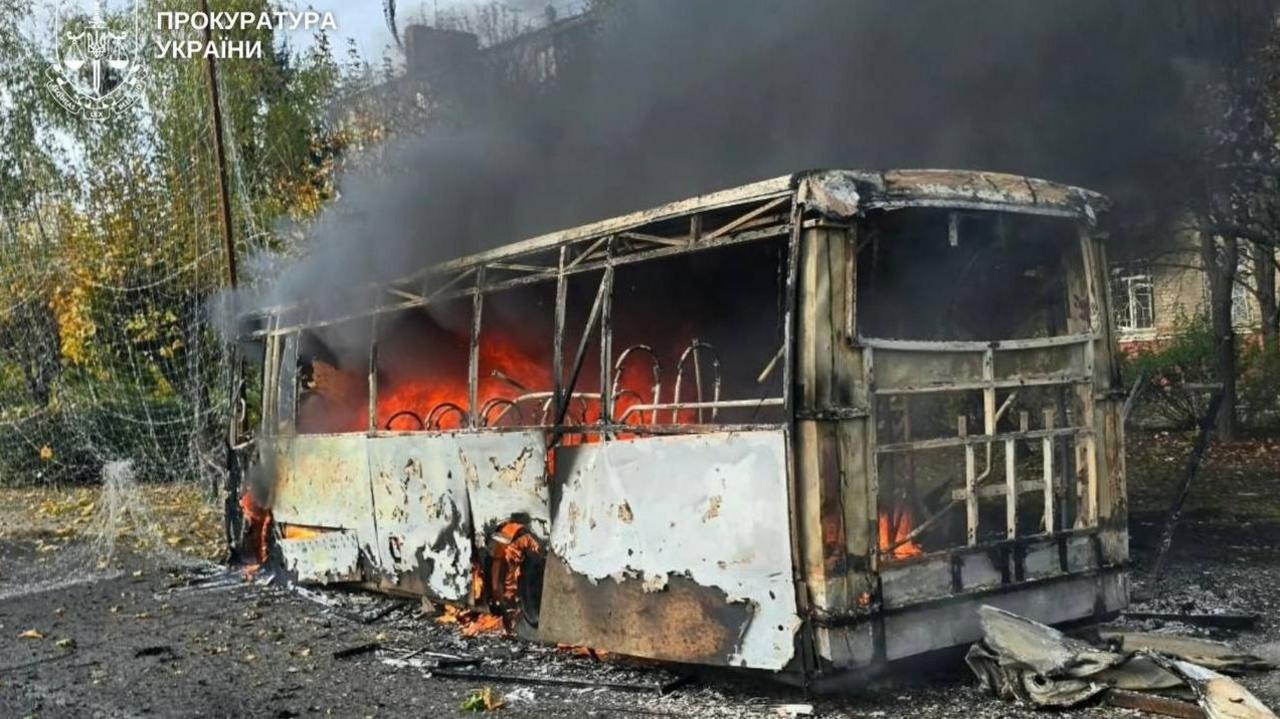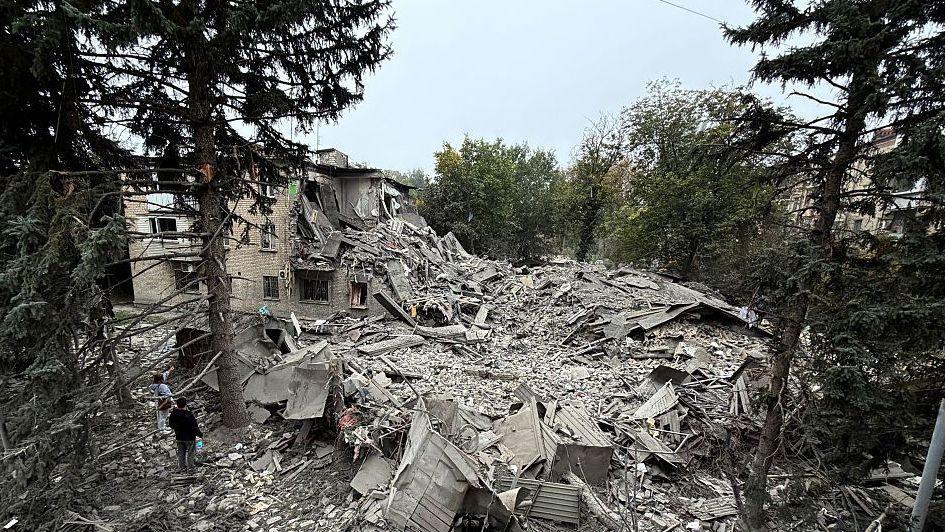
Five Russian glide bombs struck the Ukrainian city of Zaporizhzhia on Saturday morning, killing at least 15 people, including three children, according to Ukrainian President Volodymyr Zelensky and emergency services. The bombs hit several residential blocks, collapsing floors and leaving many trapped under rubble.
Emergency crews reported 16 additional injuries and more missing residents believed to be under debris. Acting mayor Regina Kharchenko, speaking from the site, said rescue efforts involved over 80 workers and would continue throughout the day, with teams frequently listening for survivors.
Zelensky warned that 13 other regions were also hit overnight and noted that Russian attacks on civilian infrastructure have been escalating, with recent incidents in Kramatorsk and Pryluky causing further loss of life. He called the attacks “a direct assault on ordinary life.”
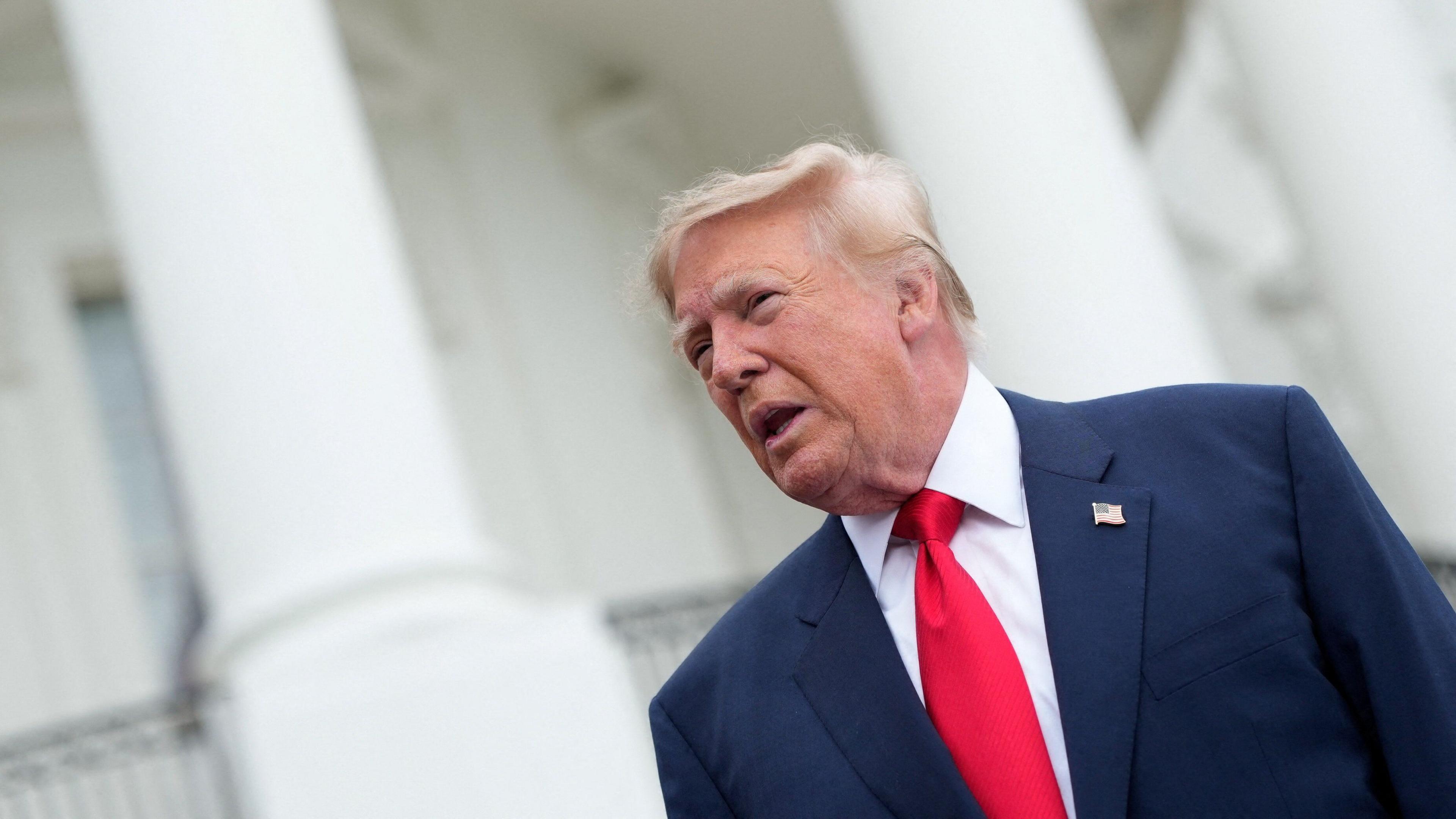
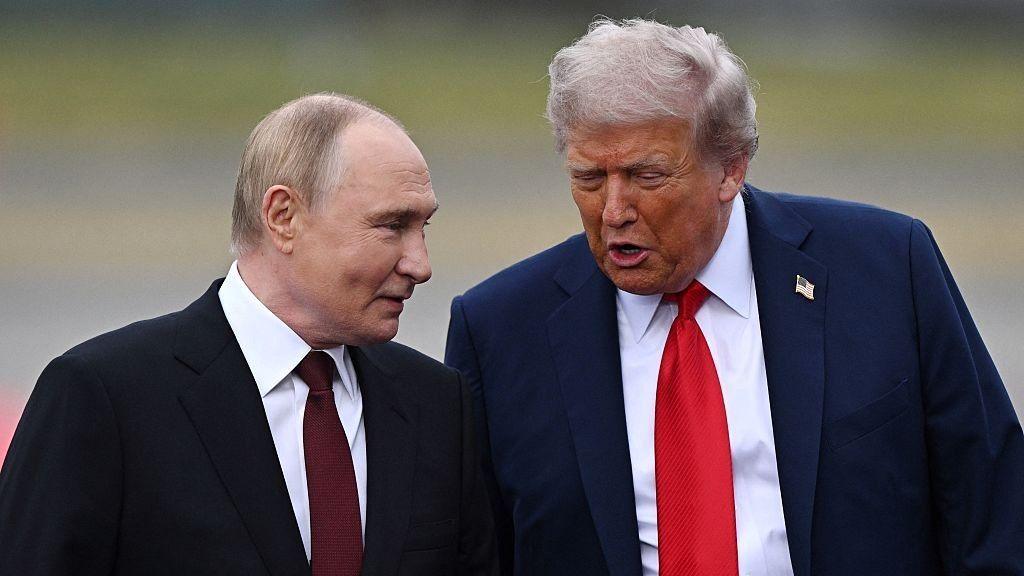
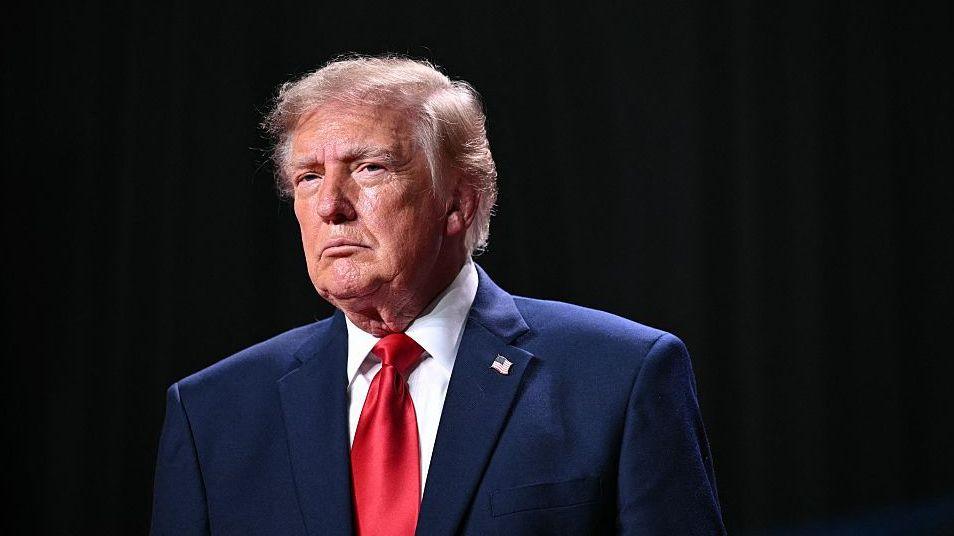
The strike came just hours after U.S. President Donald Trump announced a deal to import Russian diesel into the United States. Zelensky criticized the deal as a gift to President Vladimir Putin, arguing that it fuels the conflict and prolongs suffering.
Zaporizhzhia, home to more than 700,000 residents, lies less than 10 miles from the front line and frequently faces drones and missile strikes. Its strategic position makes it a frequent target for both Russia and Ukraine, as each side seeks to undermine the other's infrastructure.
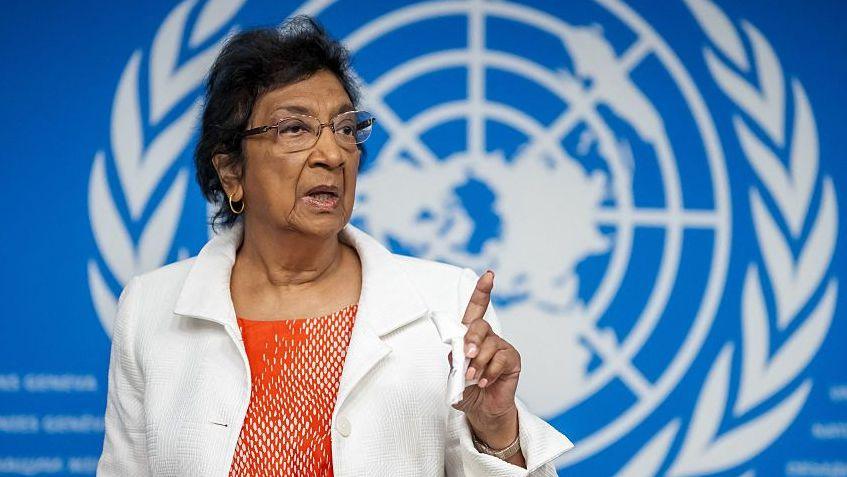
The United Nations reports a 55% rise in civilian casualties in Ukraine in the first eight months of 2026, a surge that has drawn international condemnation and calls for a sustained end to the hostilities.
In response to the new wave of attacks, analysts suggest that Moscow may be interpreting any easing of external pressure—such as the U.S. diesel agreement—as a signal that it can continue its war efforts, while Kyiv maintains that Russia must feel the losses incurred if a resolution is to be achieved.
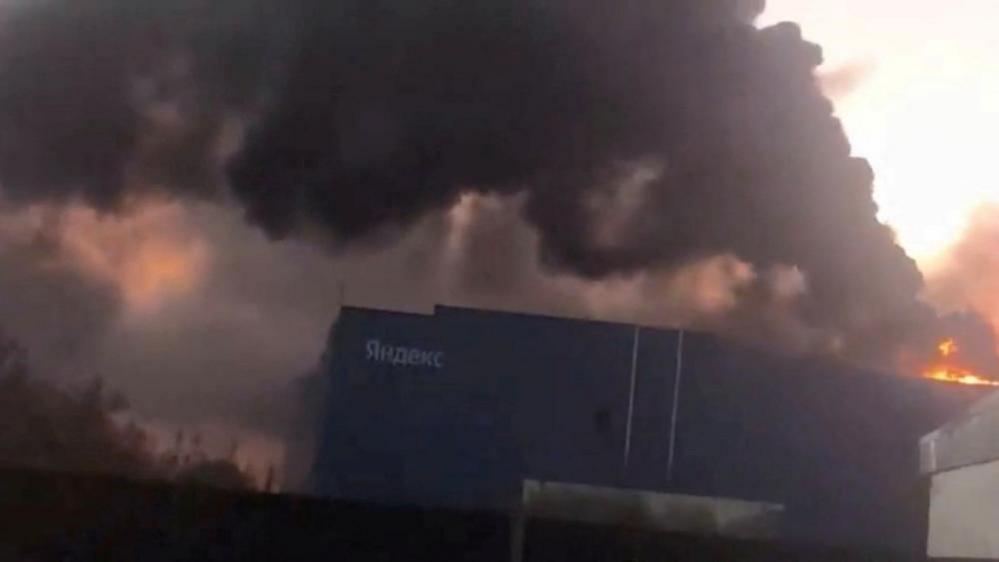
As the war drags on, both nations continue to target each other's infrastructure, from energy facilities to data centres, raising questions about the humanitarian and global economic repercussions of sustained conflict.