Russian tech giant Yandex has said it was struggling to maintain services after two of its five data centres were struck by Ukrainian drones in the past two days.
Dubbed "Russia's Google," the company runs the country’s most popular search engine as well as food‑ordering and taxi apps used by tens of millions of people.
President Volodymyr Zelensky said the attacks were in response to weeks of Russian strikes on Ukrainian data centres, framing them as a "mirror‑like" retaliation that could force Russia to divert resources to repair the damage.
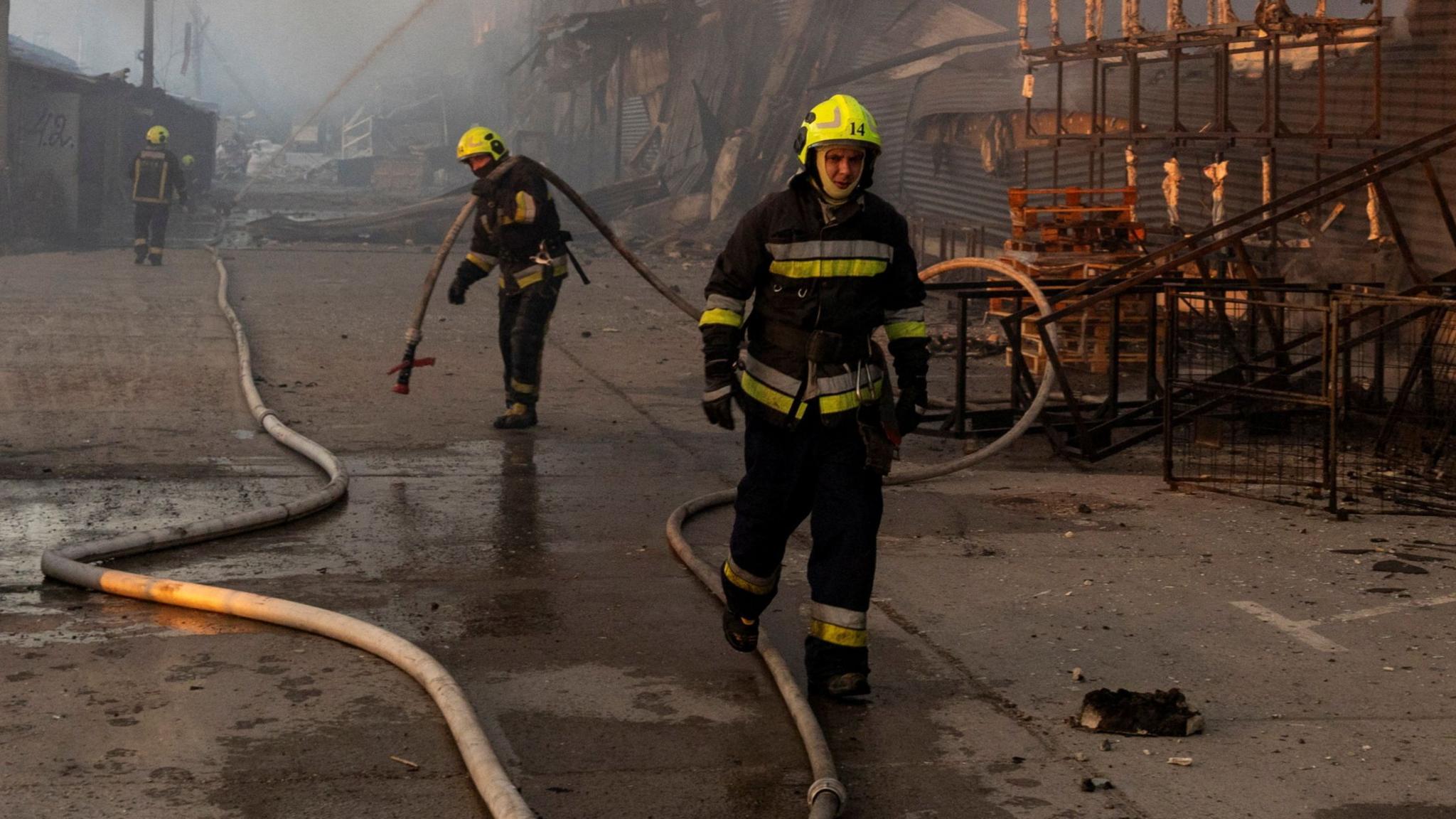
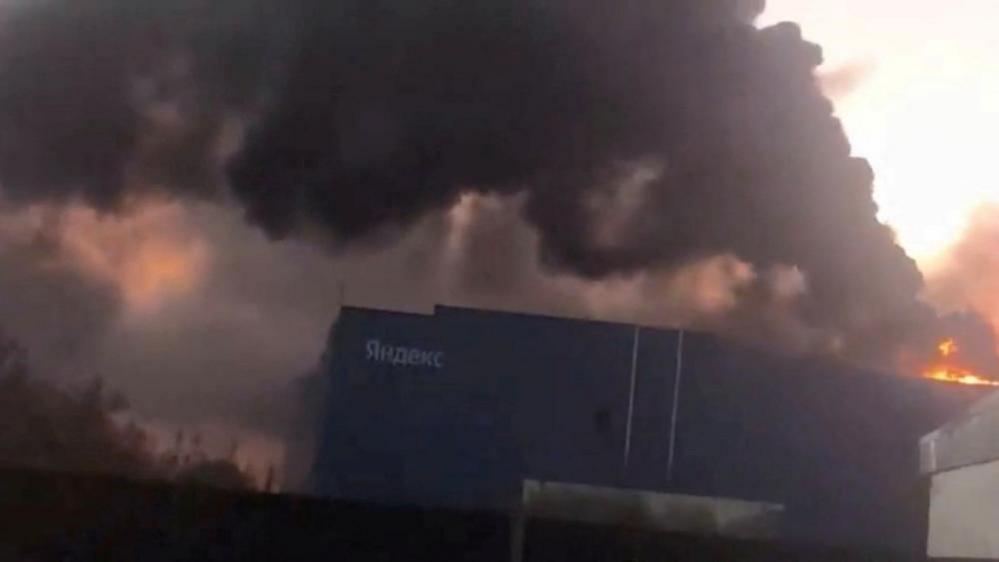
Yandex confirmed the Sasovo hub in the Ryazan region was seriously damaged overnight, with operations completely suspended. A second data centre in Kaluga was hit on Friday morning, taking part of the site out of service.
The company described its data centres as critical to normal operation of its services and warned that it could be difficult to predict when they would be back online. Teams were working day and night to keep services running, but the task was not simple.
No Yandex employees were injured, but the Kaluga regional governor reported nine people injured in a drone attack on the city’s infrastructure. The exact scope of the disruption remains unclear, though some AI chatbot functions and smart‑home devices were temporarily unavailable.
Yandex’s Kaluga data centre was among Russia’s largest, covering 130,000 square metres and consuming electricity equivalent to 220,000 UK households each year. The Sasovo hub houses two of the three supercomputers used to develop the company’s AI model, though it is not yet known if they survived the strike.
Ukraine’s defence ministry confirmed the attacks and said they could force Russia to divert resources to repair the damaged capacity. Moscow has justified similar attacks by asserting the facilities were used by Ukrainian military intelligence, while Ukraine accuses Russia of targeting civilian infrastructure. Ahead of the winter, Russian strikes on energy infrastructure have intensified as part of a broader strategy to disrupt civilian life in the region.