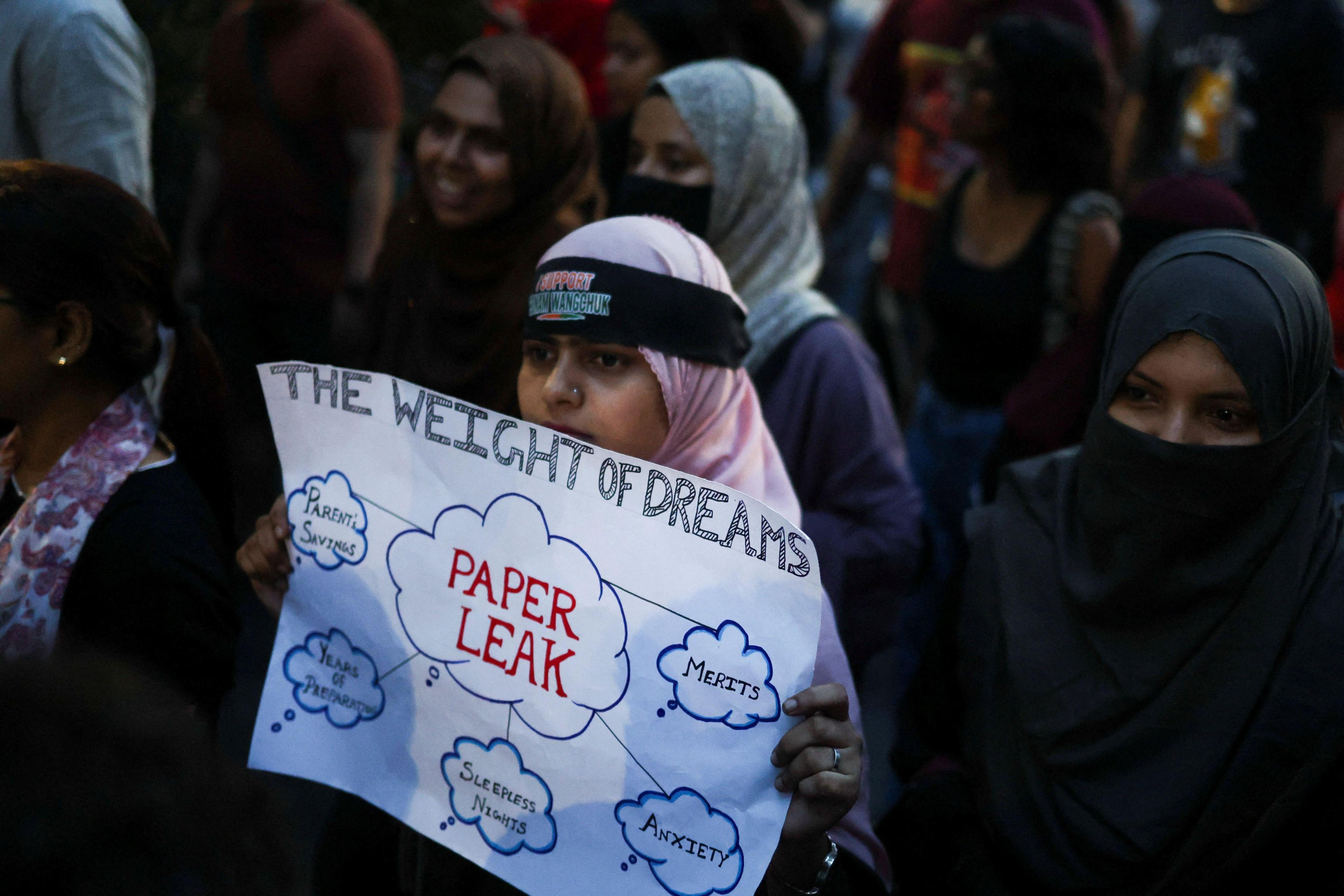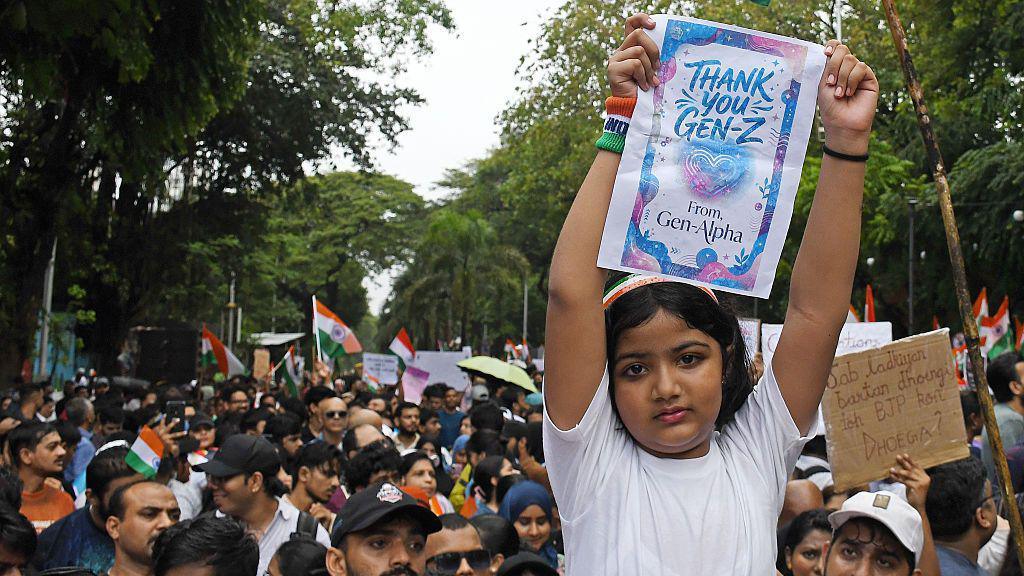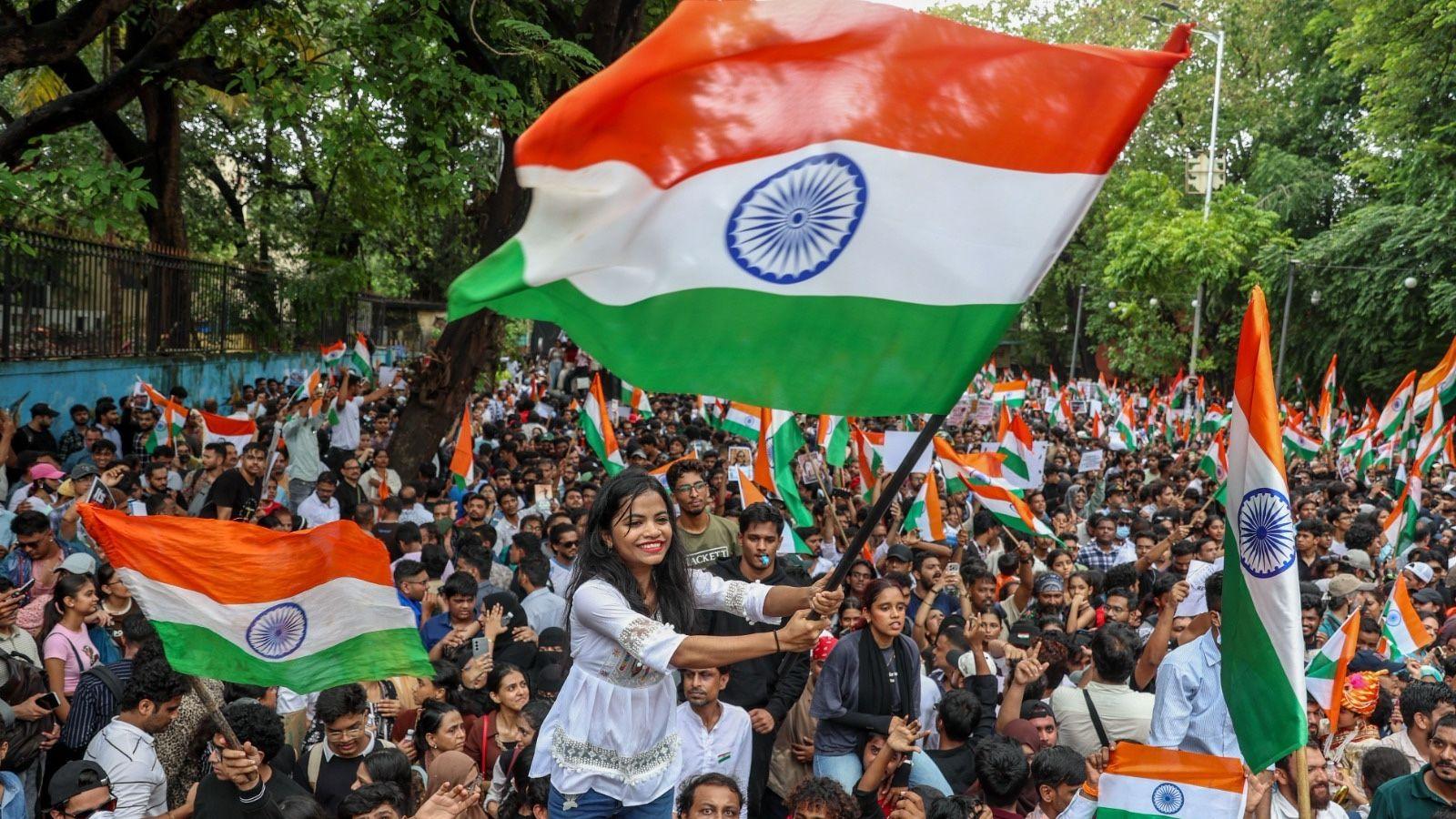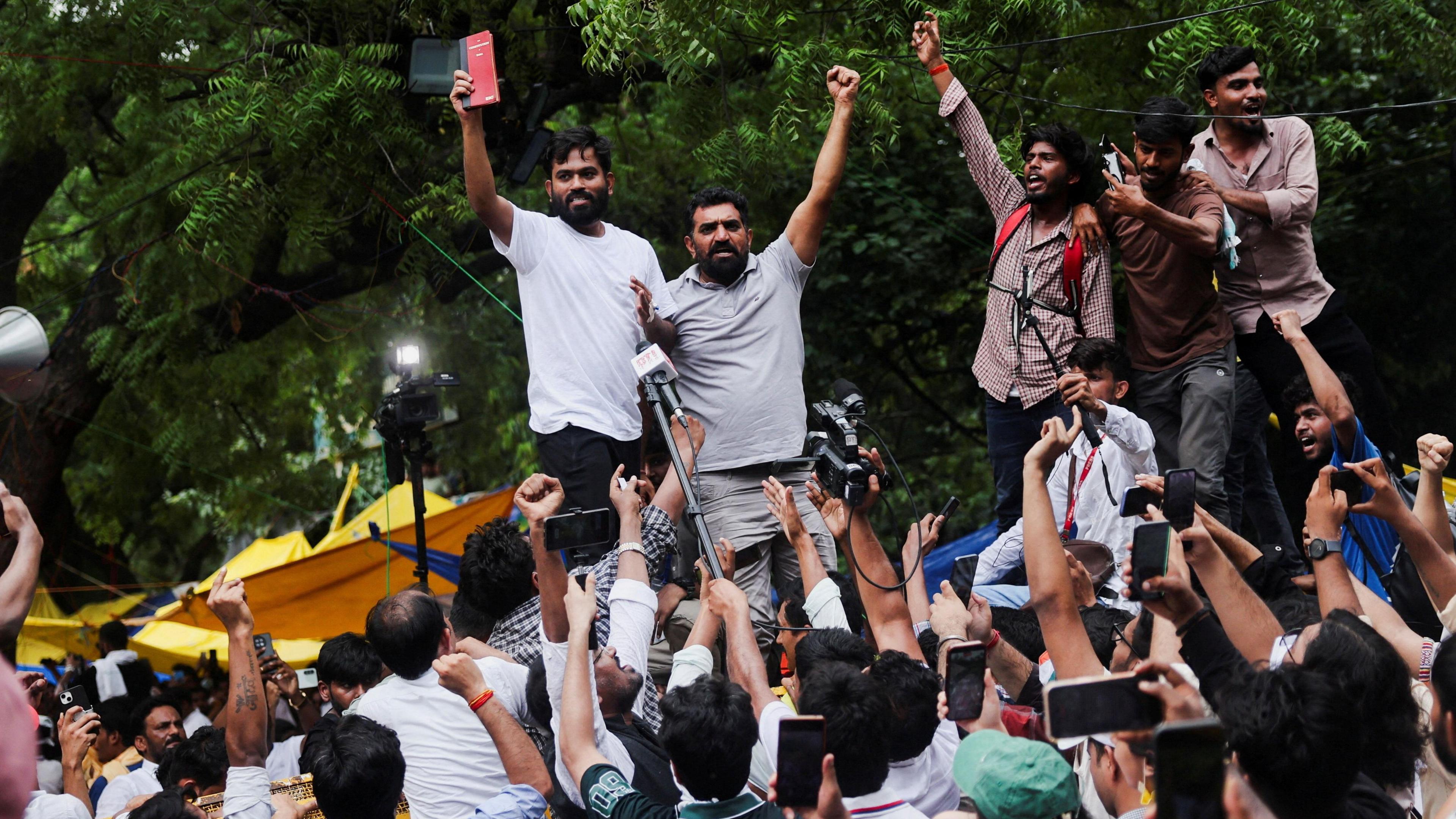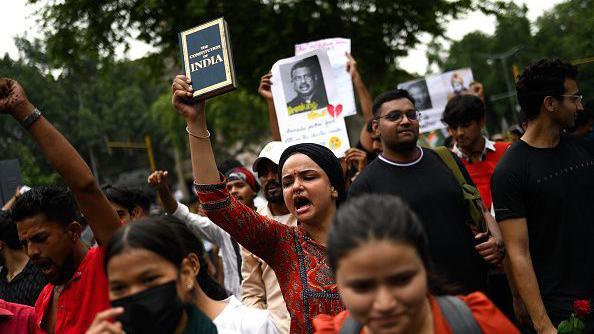
On the opening day of the monsoon parliamentary session on July 20, 2026, a youth‑led movement called the Cockroach Janta Party (CJP) launched a massive march that rippled through the streets of New Delhi. Hundreds of thousands of students, teachers, parents and professionals gathered from early morning at the historic Jantar Mantar observatory and pushed toward the Parliament complex, demanding the resignation of Education Minister Dharmendra Pradhan over alleged NEET exam‑paper leaks.
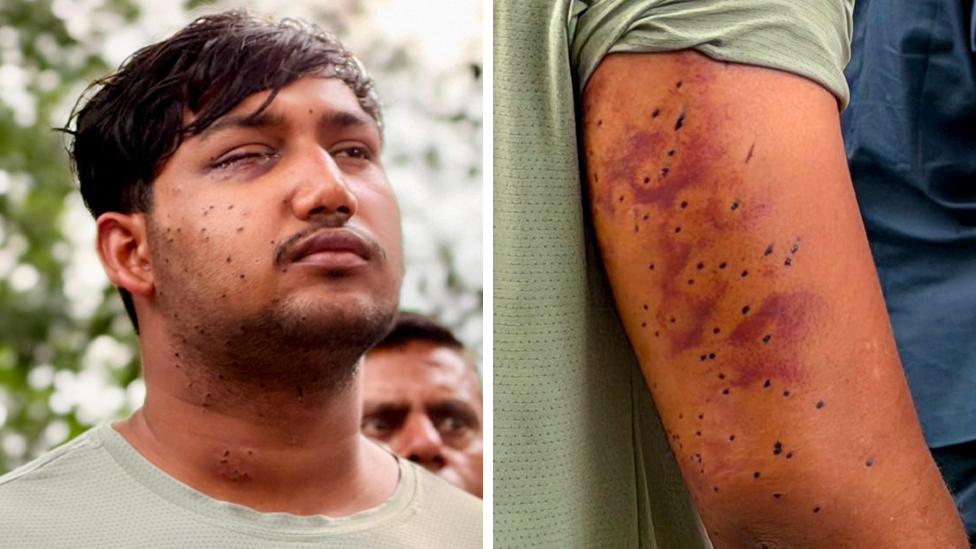
Police had issued a ban on the march, but the demonstrators defied the order, filling the streets in a show of solidarity. When the protest reached the Parliament grounds, police in riot gear halted the march at nearby barricades. Officers used batons to push back the crowd, launching tear‑gas canisters in the process. Several protesters reported injuries from baton charges, with a volunteer doctor treating bruised heads and suspected broken legs.
Tensions erupted after incidents on the morning of the 21st, when police forcibly moved activist Sonam Wangchuk—he had been on a hunger‑strike for 21 days—in support of the movement. His wife said the fast continues, and Wangchuk petitioned doctors for the right to join the march, but he was denied. The protest was bolstered by a petition from CJP representatives to Health Minister J.P. Nadda, who promised to raise the issue within the government.
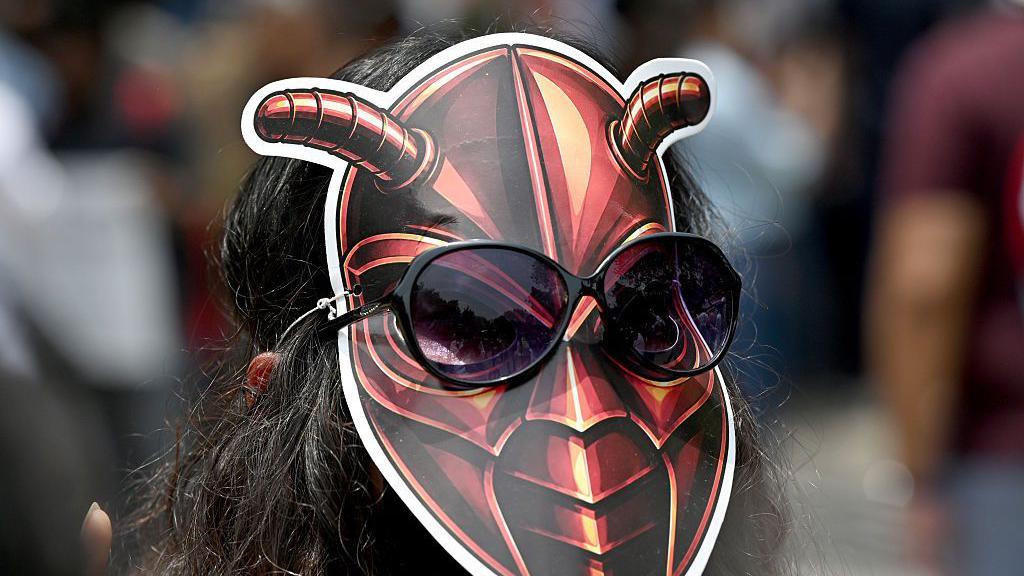
The CJP traces its origins to a controversial remark by India’s chief justice, who likened unemployed youth to cockroaches during a court hearing. The activists embraced the label, turning cockroach imagery into the movement’s emblem. Since its first online mobilisation in June, the CJP has expanded across major Indian cities, drawing support from a wide cross‑section of society and becoming a visible expression of opposition to Prime Minister Narendra Modi’s administration.
Despite heavy rain, the protesters camped outside Parliament, painting placards, singing patriotic songs and refusing to leave even after police announced no more permission for them to remain. Volunteers laid blue tarpaulins over small groups and served food and water as the rain fell. The atmosphere was tense: chanting youth contrasted starkly with rows of officers sealing roads, while the police’s loudspeakers echoed orders to disperse.
The protest ended as police dismantled the site by late evening, and threat statements logged by the Health Minister on X asked protesters to “return to normality.” While the CJP has hinted at further sit‑ins, the marching campaign was frustrated that it had not been allowed to continue through Parliament.