Indonesian Wildfires Release Toxic Haze Across Southeast Asia

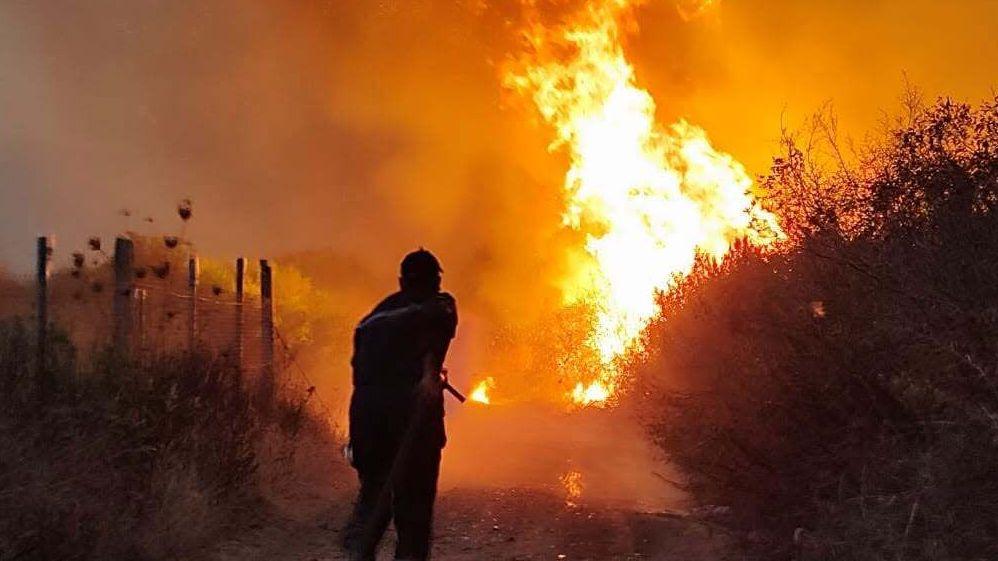
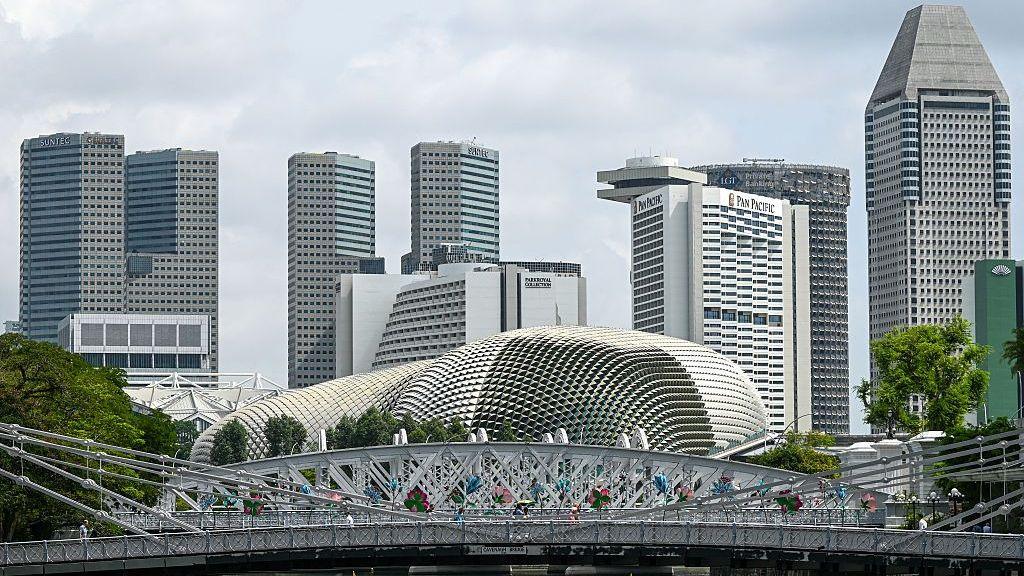
For several weeks, vast swaths of Indonesia’s peatlands and rainforests have been aflame, releasing smoke that has blanketed Indonesian skies and drifted northward into Malaysia, Singapore and the Philippines.
The fires are notoriously stubborn, with shallow fires smoldering inside peat layers that are hard to reach from the surface, and the hot, dry season turning wetlands into tinder.
Firefighters face logistical challenges: dense smoke reduces visibility, and the high winds that characterize the region spread embers over large distances. Limited water supplies and a lack of rapid-response equipment further hamper efforts.
Why the haze is so harmful
Peatland fires produce fine particulate matter that can penetrate deep into the lungs, and small black carbon particles are responsible for the blackening of the sky. Chemists find that the smoke contains mercury, lead and other toxic metals, posing health risks for millions.
Global response and future outlook
International partners and Indonesia’s government have pledged increased funding for fire suppression and reforestation, but climate models suggest that hotter, drier seasons could make similar outbreaks more frequent.
Citizens in cities such as Jakarta have reported respiratory distress, while airlines have scrambled flight routes to avoid the worst of the haze.