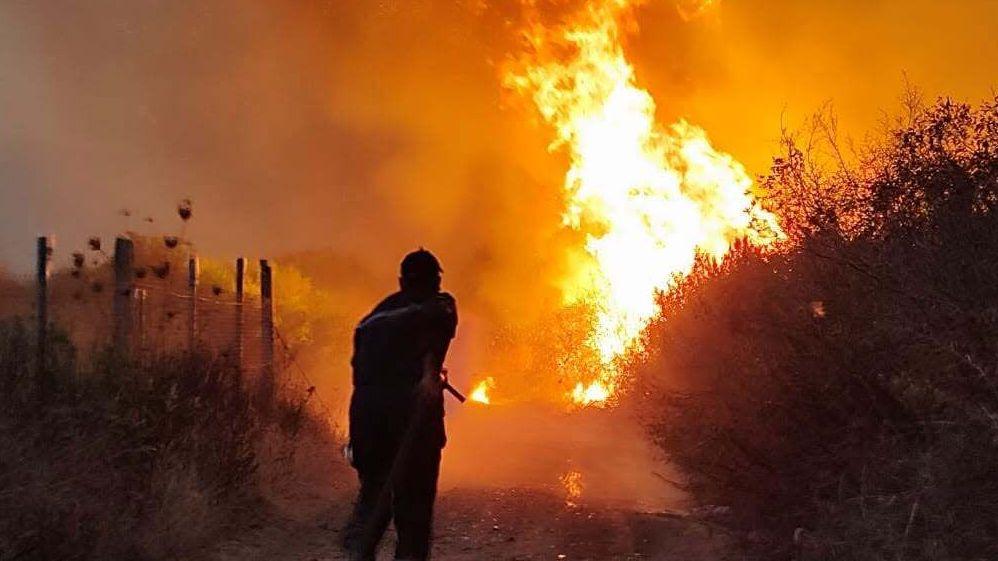
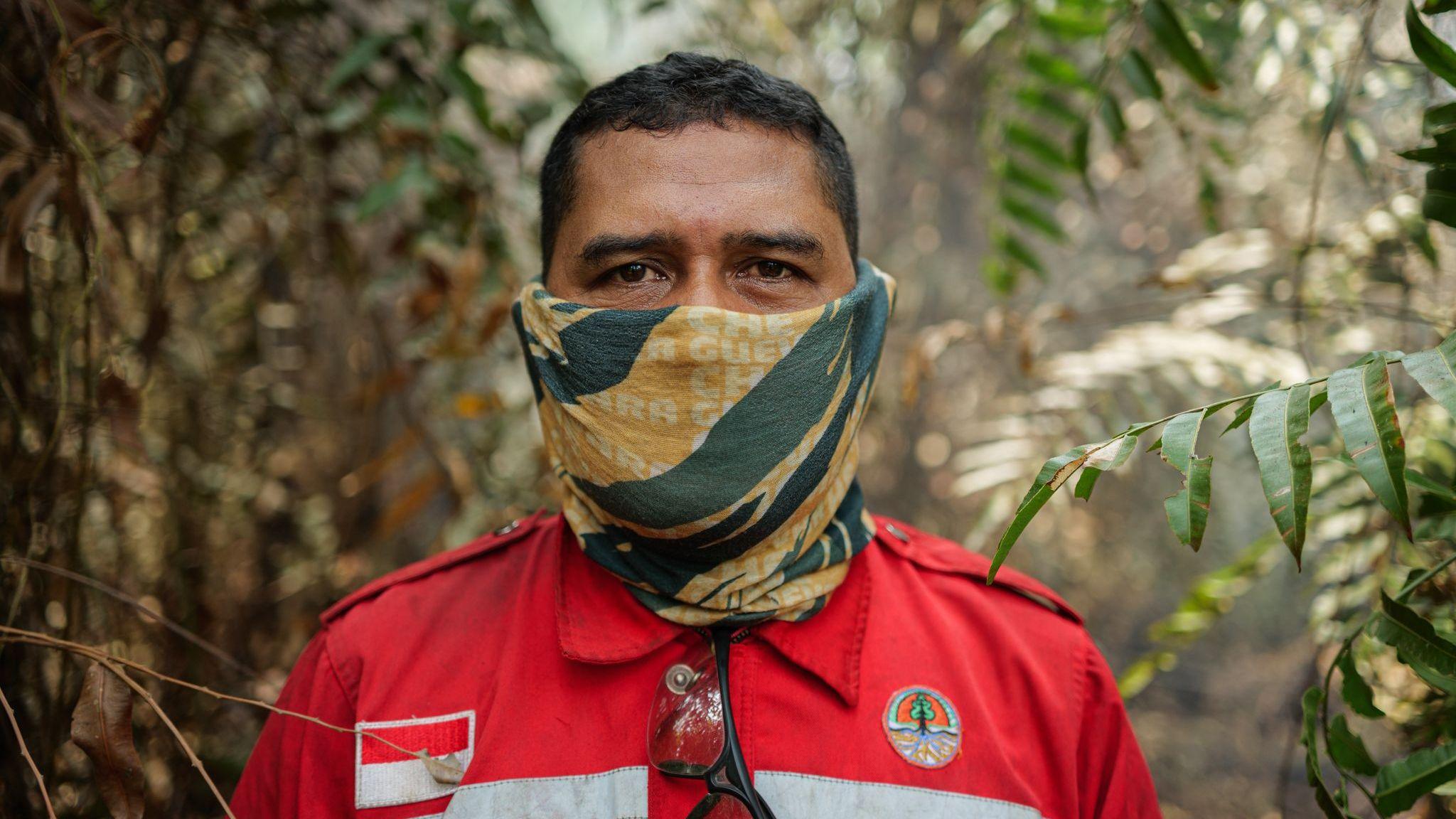
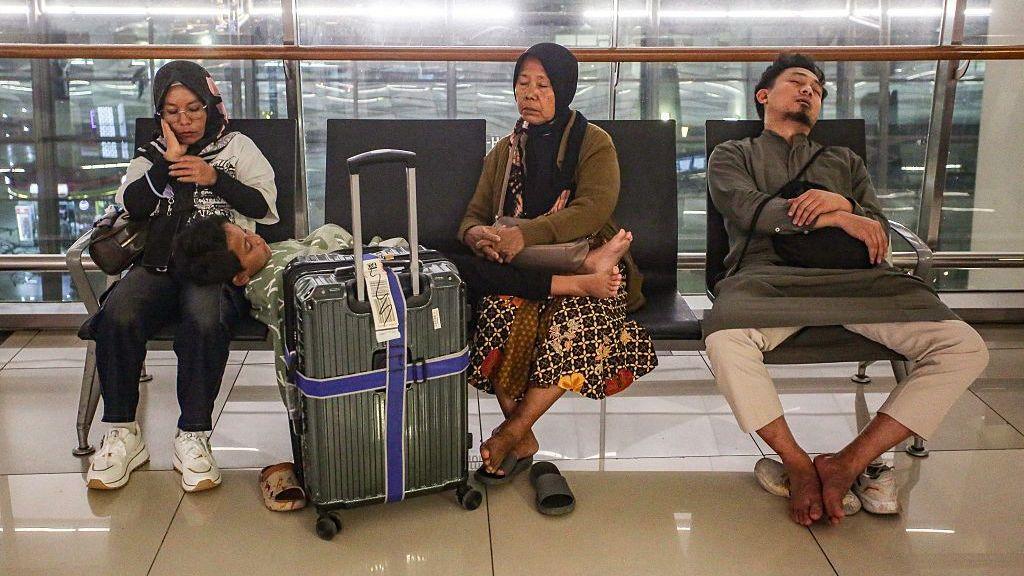
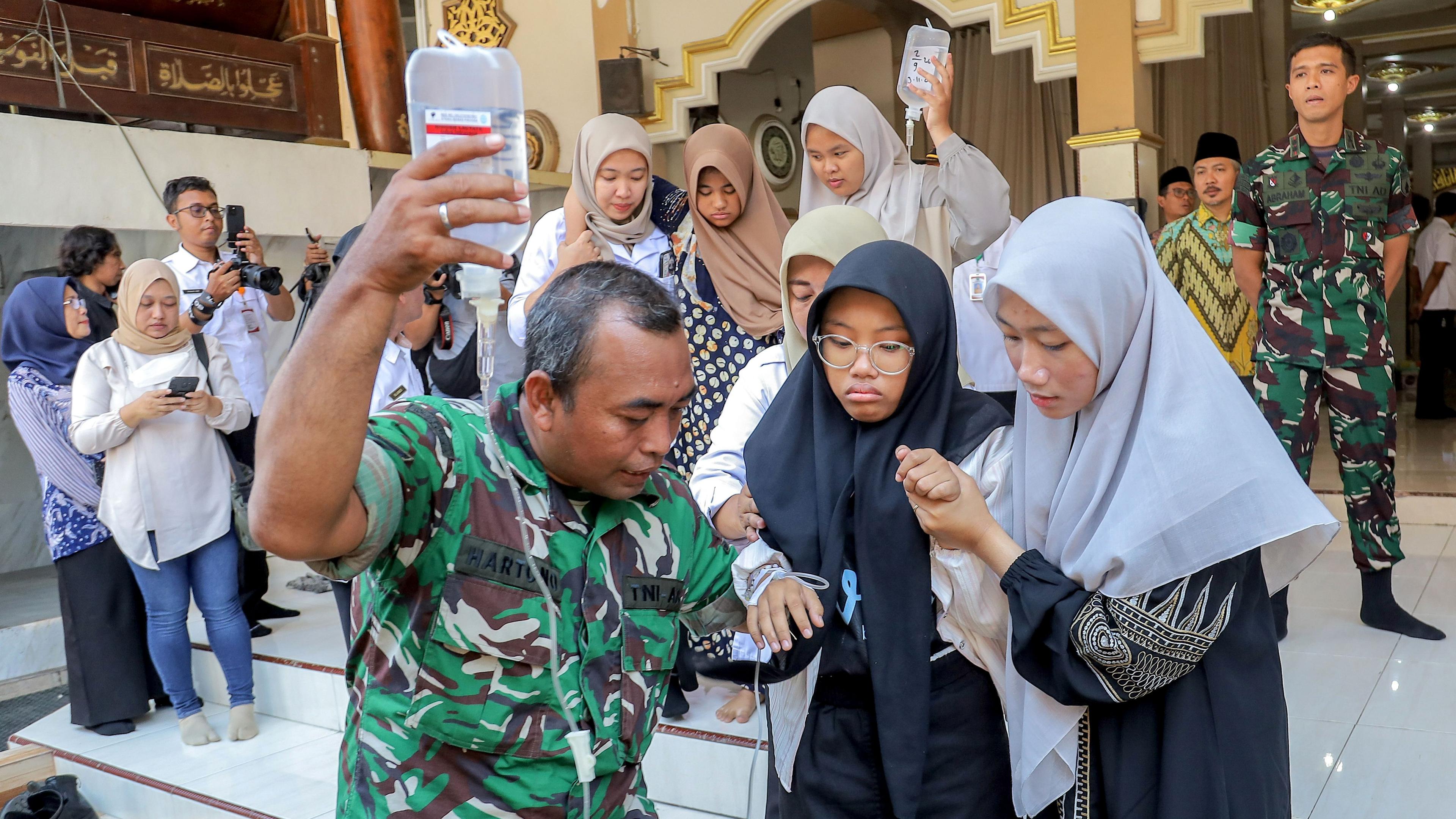
Indonesia’s latest wildfire season has set a new bleak record, with about one million hectares of forest and peatland scorched to date. The rampant flames are producing plumes of dense, toxic smoke that have crossed borders, enveloping Singapore’s skyline in a perpetual mist.
For Singapore residents and visitors alike the effects are visible – towering landmarks like Marina Bay Sands, the Merlion, and the Esplanade appear as colorless silhouettes against a gray canopy. According to air‑quality monitors, fine‑particle levels (PM2.5) have spiked well above WHO safety thresholds, raising concerns about respiratory health and prompting advisories to stay indoors.
“This haze is not just an aesthetic problem; it’s a public‑health emergency,” said one Singaporean health officer. Singapore’s environmental agency has urged people to wear masks and limit outdoor activity while authorities work to contain the spread. The government is also coordinating with Indonesian counterparts to address the root causes of the fires, such as illegal land clearing and lack of fire‑break management.
Tourism and local business feel the impact as clearer skies are a key draw for visitors to the city’s waterfront attractions. Prior reports from the World Tourism Organization indicate a 20 % drop in tourist arrivals in the first month of the haze crisis.
Environmentalists warn that if these conditions persist, the cultural and ecological fabric of the region could be permanently altered. International experts stress that stronger forest‑fire legislation and better cross‑border cooperation are essential to prevent future haze events that can engulf entire countries.