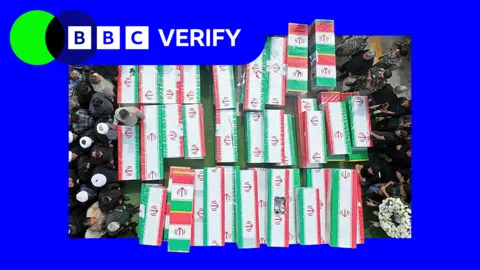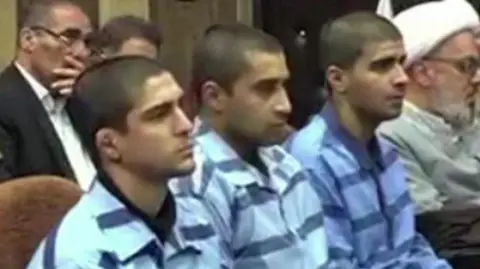
Iran has executed three men accused of killing police officers during anti-government protests in January, state media say, marking the first hangings directly related to the demonstrations. The executed individuals included teenager Saleh Mohammadi, who was reportedly a member of Iran's national wrestling team. The executions were carried out on Thursday morning, following the upholding of their death sentences by the Supreme Court, according to Iran's Tasnim news agency.
The violent crackdown on the nationwide protests, which began in December over economic grievances and escalated into wider political demands, has reportedly led to thousands of deaths, as rights groups estimate that around 7,000 individuals, including 236 children, were killed during the unrest.
The three men were convicted of murdering police officers in separate incidents in Qom and were also charged with 'moharebeh'—a term used in Iran to denote waging war against God, often invoked against protesters and critics of the Islamic Republic. Reports indicate that the men confessed under duress and lacked access to fair legal proceedings.
These executions highlight the ongoing human rights crisis in Iran, where dissent is met with serious punitive measures. The crackdown has intensified amidst widespread protests, causing significant international concern and criticism regarding Iran's treatment of political dissenters.
The executions follow another controversial case, in which a dual Iranian-Swedish national was executed for espionage charges, signaling a broader trend of severe actions taken against perceived enemies of the state amid ongoing protests and societal unrest.
The violent crackdown on the nationwide protests, which began in December over economic grievances and escalated into wider political demands, has reportedly led to thousands of deaths, as rights groups estimate that around 7,000 individuals, including 236 children, were killed during the unrest.
The three men were convicted of murdering police officers in separate incidents in Qom and were also charged with 'moharebeh'—a term used in Iran to denote waging war against God, often invoked against protesters and critics of the Islamic Republic. Reports indicate that the men confessed under duress and lacked access to fair legal proceedings.
These executions highlight the ongoing human rights crisis in Iran, where dissent is met with serious punitive measures. The crackdown has intensified amidst widespread protests, causing significant international concern and criticism regarding Iran's treatment of political dissenters.
The executions follow another controversial case, in which a dual Iranian-Swedish national was executed for espionage charges, signaling a broader trend of severe actions taken against perceived enemies of the state amid ongoing protests and societal unrest.