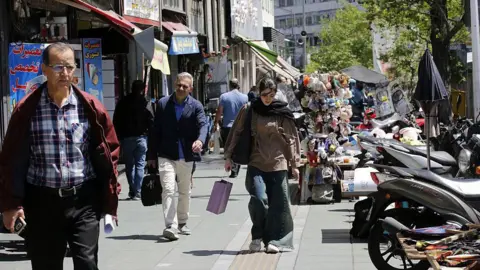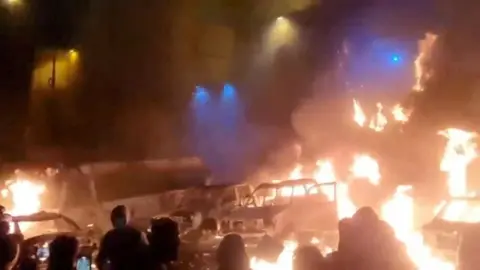
As protests in Iran entered their second week, hospitals faced an overwhelming influx of injured individuals, prompting serious concerns over the state of the healthcare system. Medical professionals reported chaotic conditions, with at least one eye hospital in Tehran declaring a crisis. Reports detail that non-urgent surgeries have been suspended, and staff have been enlisted to manage emergency cases due to the surge in trauma casualties.
US President Donald Trump commented on the situation, indicating that Iran was experiencing significant unrest, and warned against violent crackdowns. Conversely, Iranian officials attributed the protests to external interference, particularly from the US, which they allege is exacerbating civic unrest through incitement.
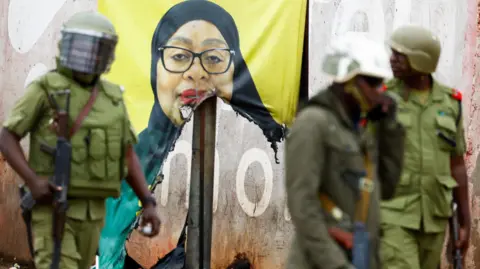
Leaders worldwide have called for the Iranian government to safeguard the right to peaceful protest, as documented fatalities continue to rise, with reports indicating over 50 protesters have died under harsh measures. The situation is further complicated by a near-total internet blackout, which impedes journalists' ability to report accurately within Iran.
A medic from a Shiraz hospital mentioned an inability to manage gunshot wounds, particularly to the head and eyes, reflecting the violence escalating amid the protests. Reports from human rights organizations reveal escalating violence, with fatalities numbering more than 50, including children, across a span of nationwide demonstrations.
UN representatives expressed alarm over the increasing loss of life, reiterating that peaceable assembly should be respected by governing bodies globally. Similarly, European leaders echoed these sentiments, emphasizing government responsibility to protect citizens' rights to express dissent without fear.
Iran's Supreme Leader, Ayatollah Khamenei, in response to the ongoing protests, reiterated the government's resolve against what he referred to as destructive elements attempting to destabilize the state. As tensions mount, Tehran's government continues to navigate both domestic dissent and international scrutiny.