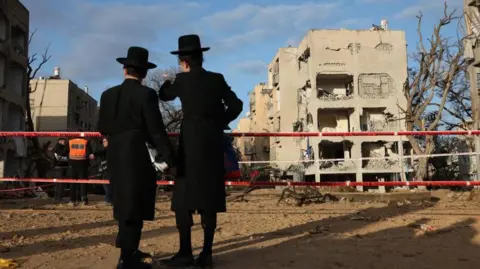
Israel's health ministry reported that 180 people were injured, some seriously, following Iranian missile strikes on two southern Israeli towns near a nuclear facility on Saturday evening. Of these injuries, 116 occurred in Arad and 64 in Dimona, as ballistic missiles impacted the areas.
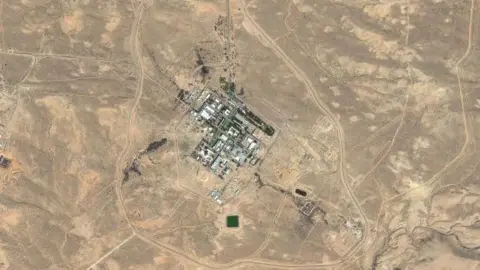
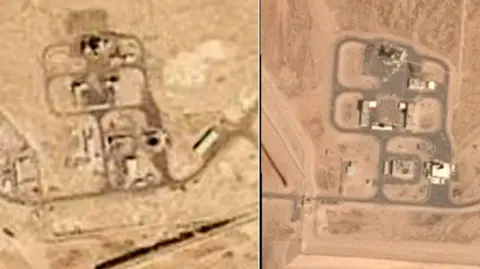
The International Atomic Energy Agency (IAEA) confirmed no damage to the nuclear research facility located approximately 13 kilometers (eight miles) outside Dimona. In a statement, Iranian state television indicated that these strikes were a direct response to earlier attacks on Iran's Natanz nuclear facility.
On Sunday, a subsequent Iranian missile attack aimed at Tel Aviv resulted in at least seven more injuries, underscoring the escalating tensions in the region.
Reports suggest that since the US-Israeli attack on Iran on February 28, Tehran has launched 400 missiles towards Israel, with an interception rate of 92% according to the Israeli Air Force.
Witnesses in Arad described the blasts as terrifying; local paramedics reported multiple injuries among children, including a case of a 10-year-old girl who refused to leave for medical help until her parents were evacuated from a destroyed building.
The missile impacts have left visible damage, with civilian structures severely affected in both towns. In Dimona, local residents reported considerable structural damage.
Israeli Prime Minister Benjamin Netanyahu and President Isaac Herzog visited the affected areas, highlighting the government's commitment to oversee the crisis response. Investigations are underway to ascertain how the Iranian missiles penetrated Israel’s air defense systems.
In light of the continuous threats, the resolve of the Israeli public is expected to strengthen rather than weaken as a result of these attacks, indicating a long road ahead in addressing regional security concerns.