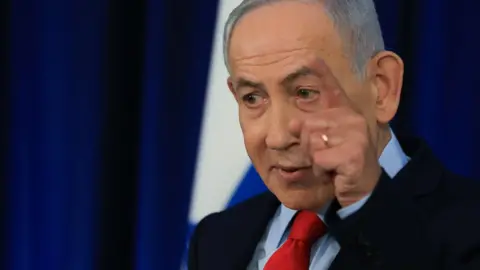
Israel's Prime Minister Benjamin Netanyahu has said Israel acted alone in attacking an Iranian gas field, as tensions mount over strikes on energy infrastructure across the region.
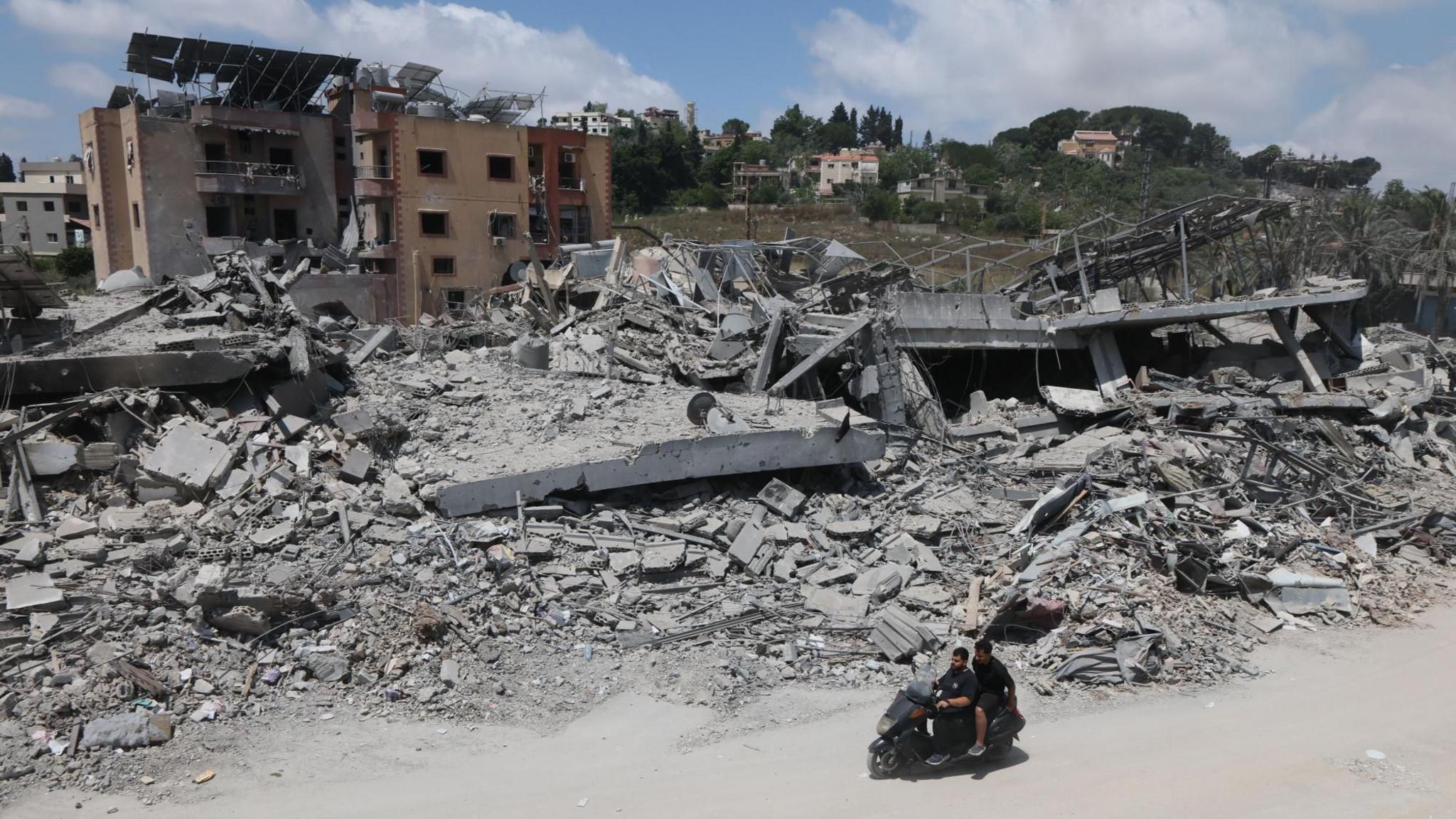
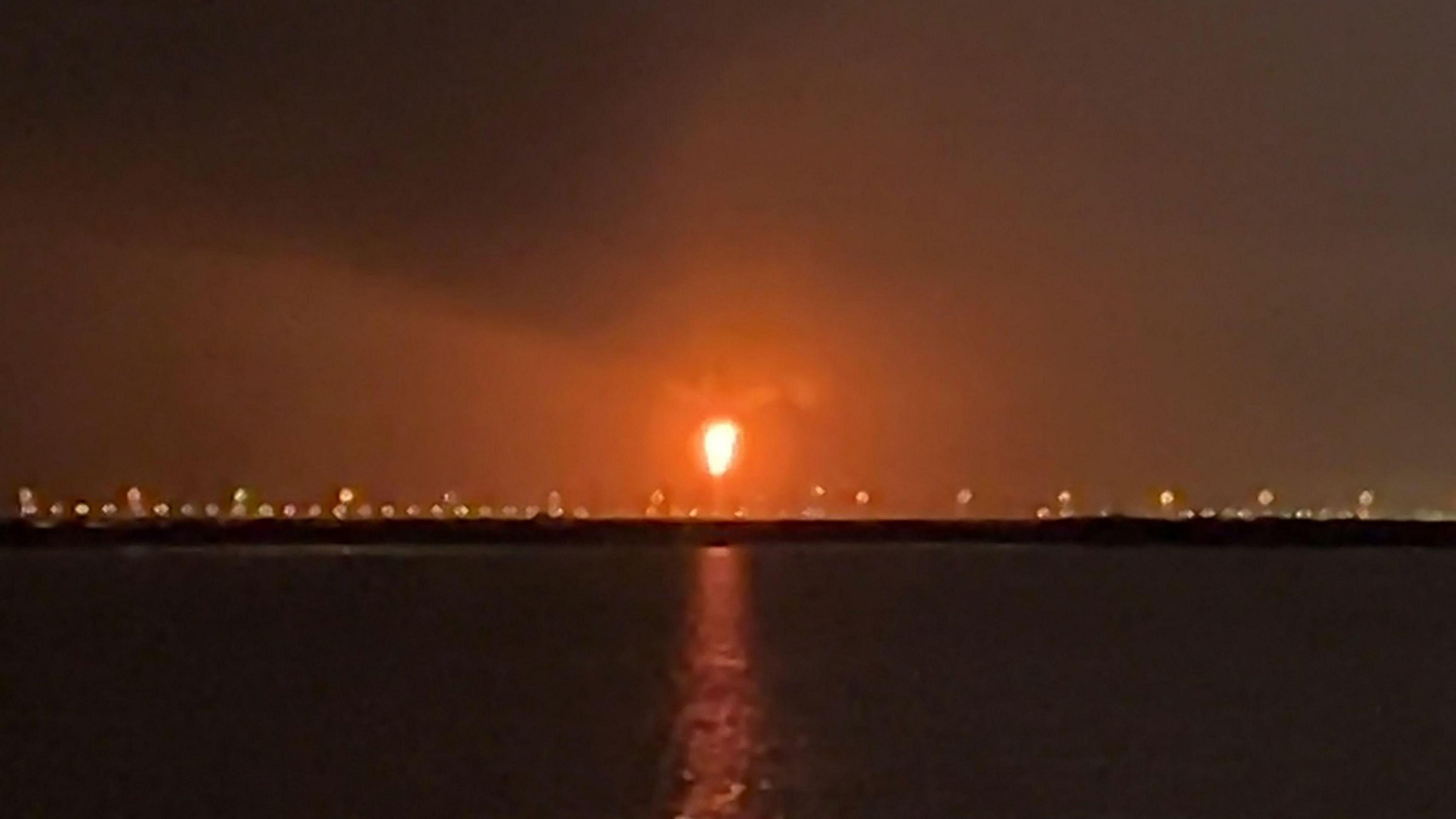
Israel hit Iran's South Pars - part of the world's largest natural gas field - and Tehran retaliated by striking an energy complex in Qatar and attacking other energy targets in the Gulf.
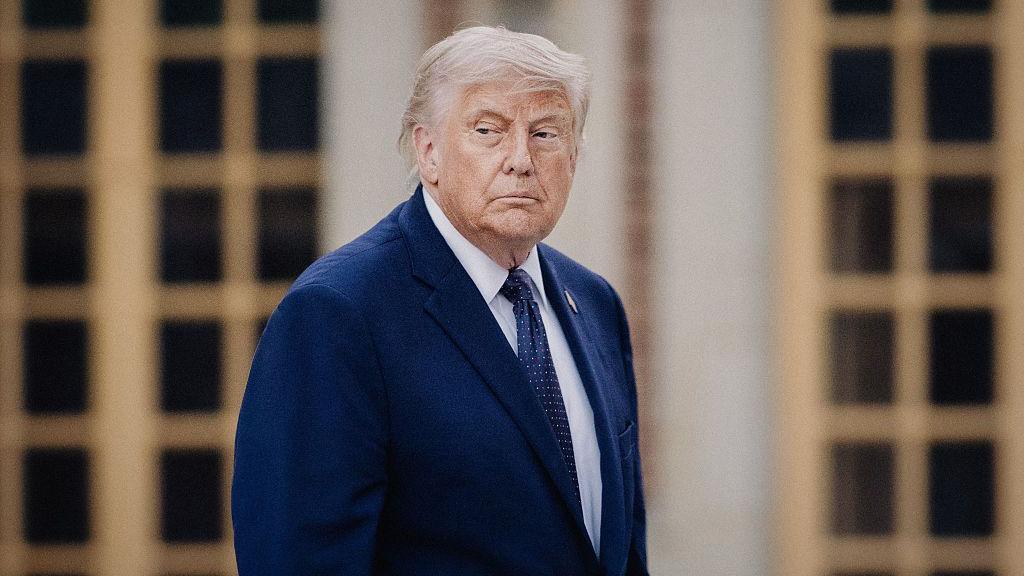
The attacks led to a spike in energy prices and US President Donald Trump later posted he had not known about them in advance.
The fallout has raised questions over how united Israel and the US remain in their war aims.
Speaking at a news conference on Thursday, the Israeli leader said Trump had requested that there be no further such attacks on energy targets.
Earlier on Thursday Reuters news agency quoted three unnamed Israeli officials as saying that the attack on South Pars had been coordinated with the US in advance but that they were not surprised by Trump's reaction.
Netanyahu denied that his country had dragged the US into the war or misled Trump, emphasizing that no one could dictate to the US leader.
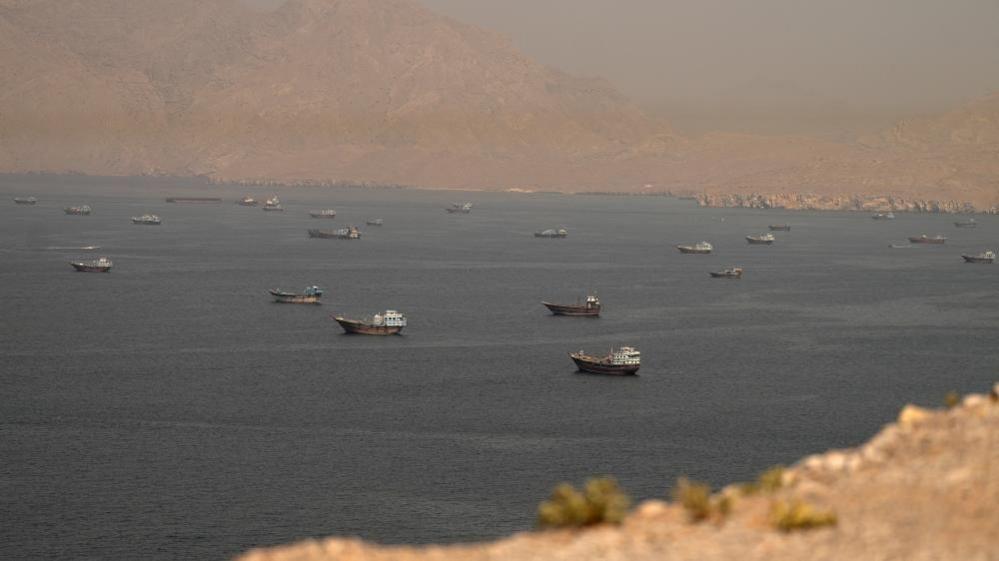
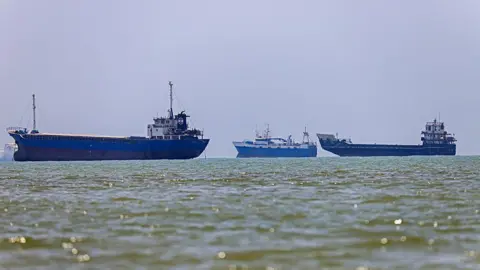
The attacks on energy infrastructure marked an escalation in the war launched by the US and Israel against Iran, which had already responded by restricting shipping through the Strait of Hormuz.
About a fifth of the 100m barrels of oil that the world consumes every day usually travels via the Strait of Hormuz, which runs along part of Iran's coast.
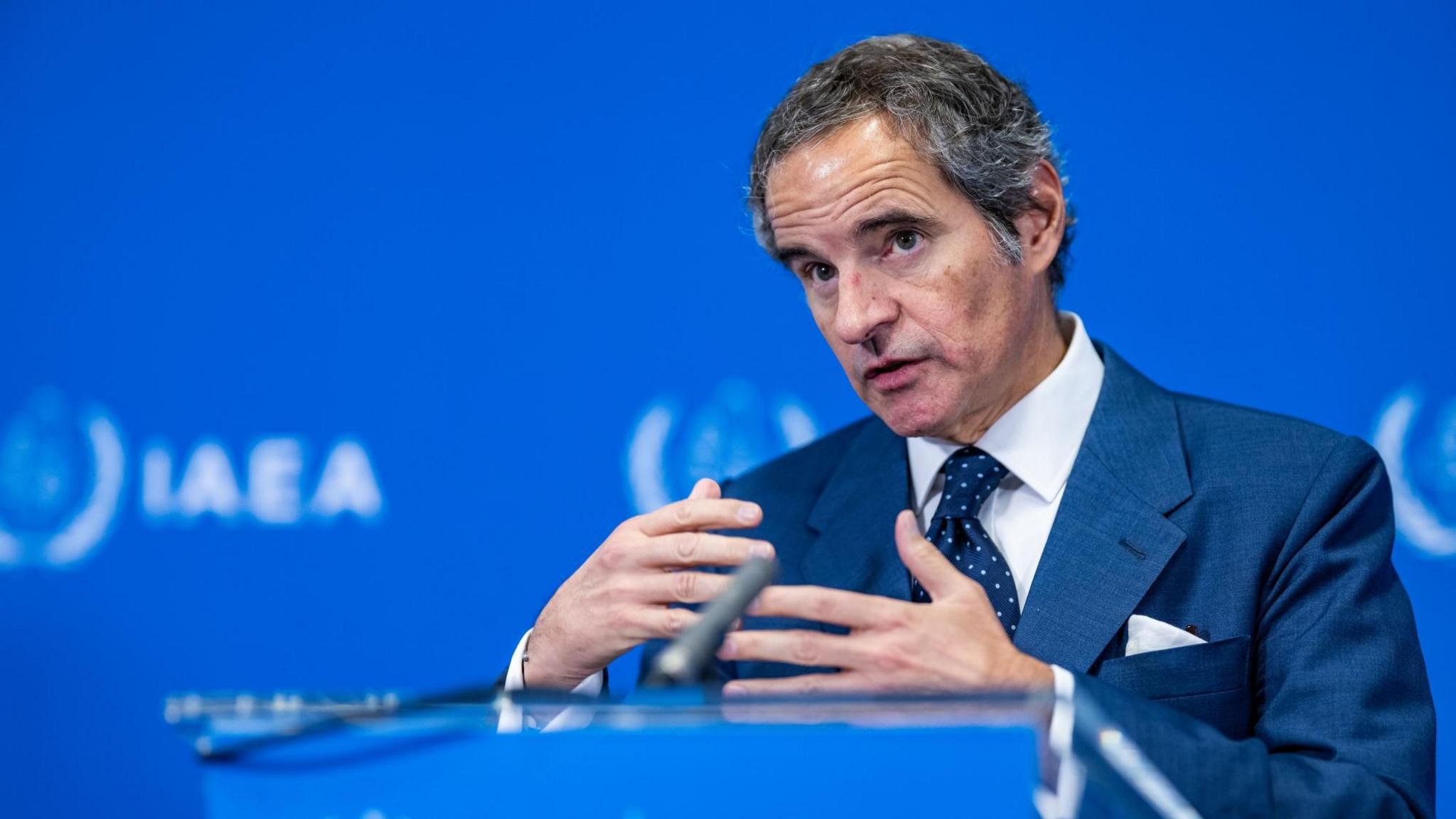
Following the Iranian attack on Qatar's Ras Laffan industrial area, which includes the world's biggest liquefied natural gas (LNG) processing plant, QatarEnergy stated about 17% of its export capacity would be impacted.
Qatar's Prime Minister, Mohammed bin Abdurrahman Al-Thani, warned that the attack would have significant repercussions for global energy supplies and labeled it a very dangerous escalation.
Iran's Foreign Minister Abbas Araghchi asserted that Iran would show zero restraint if its infrastructure was targeted again.
Gas prices, which had already been rising since the start of the conflict, surged in response to the Iranian attack on Qatar. The UK benchmark briefly peaked at almost 183p per therm before settling back to 154.8p, an 11.3% rise from Wednesday's figures. European prices also increased by over 10%.
Additionally, the US is contemplating lifting sanctions on some Iranian oil to mitigate the rippling effects on energy markets.
At his news conference, Netanyahu insisted that Israel was inflicting massive damage on Iran's military capacity, asserting attacks on Iran's navy in the Caspian Sea. He remarked that while Israel aims to weaken the Iranian regime, the initiative for overthrowing it lies with the Iranian populace.
Netanyahu declared, If [the regime] survives, it will be a lot weaker, shorn of industries it built over decades. Meanwhile, verified footage revealed fire and smoke at an oil refinery in Haifa in northern Israel following a reported Iranian missile strike, though Israel's energy minister stated damage was localized and not significant.