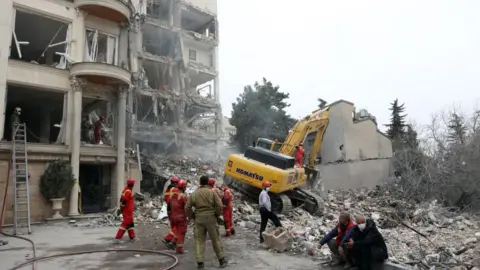
The ongoing war in Iran has created a climate of fear and uncertainty. With recent discussions around the possibility of ceasefire negotiations, Iranians find themselves in a complex emotional landscape. Some long for peace, while others fear that such talks would only serve to reinforce the existing regime.
Recent statements from U.S. officials suggested there might be an impending deal to halt airstrikes, encouraging hopes among some Iranians for a resolution. However, officials within Iran have labeled these reports as mere 'fake news,' adding to the confusion and skepticism surrounding potential negotiations.
A significant number of Iranians express a desire to see an end to the war but worry that any peace brokered might come at the cost of enabling the current government to retain its power. This sentiment is echoed in the thoughts of many young people living in Tehran, such as Kiana and Armin, who articulate their wish for the war's end intertwined with concerns over the regime's fate.
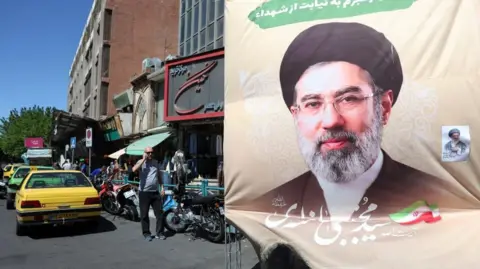
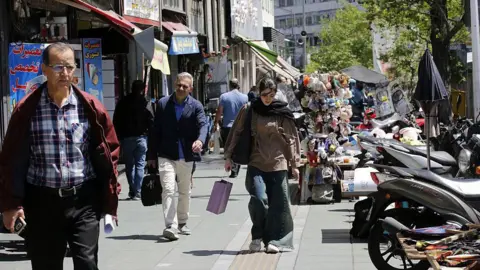
Some residents have fled to safer regions, while others remain in major cities, expressing both anxiety and resignation. The complexities faced by ordinary Iranians highlight a greater struggle: the desire for peace and a better future against the backdrop of a regime that many cannot trust.
As discussions continue and conditions worsen, the need for authentic dialogue that prioritizes the people’s voice remains crucial. The sentiment across the nation showcases diverse perspectives on how to navigate the aftermath of violence—whether through negotiation or revolution.