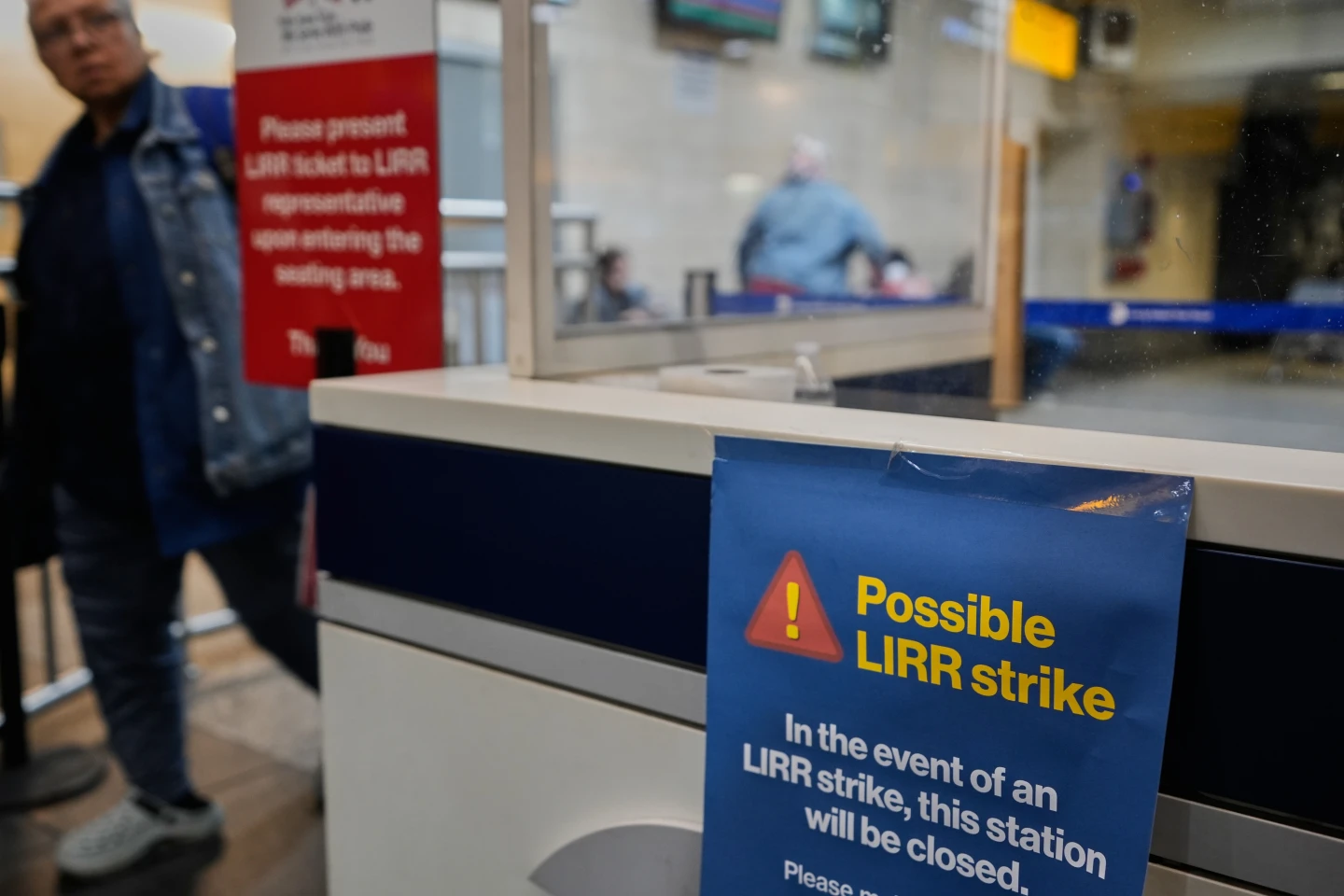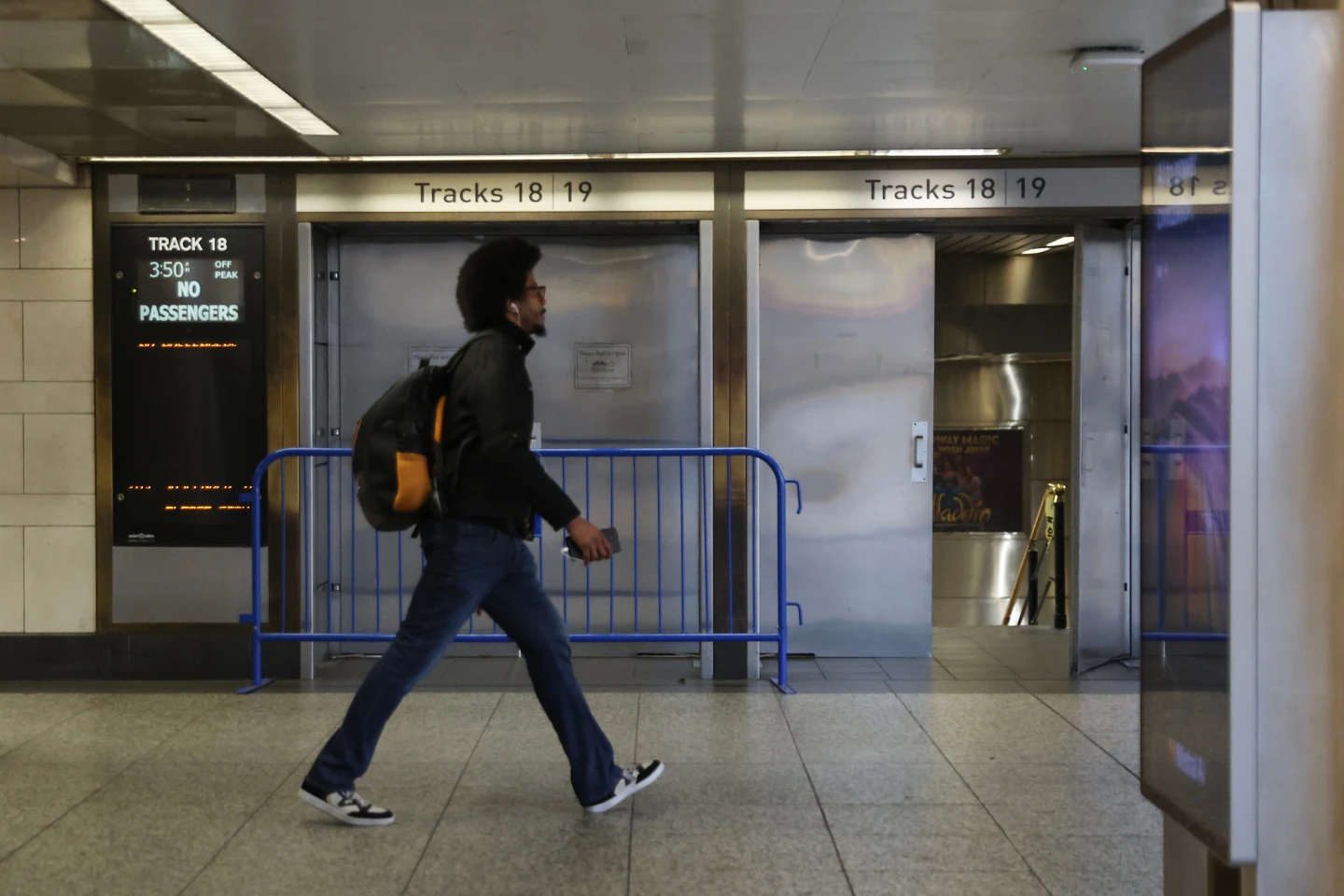
NEW YORK (AP) — The Long Island Rail Road (LIRR), the largest commuter rail system in North America, was brought to a standstill on Saturday morning as unionized workers in the New York City area went on strike. This action followed months of failed contract negotiations involving several unions representing nearly half of the LIRR workforce.
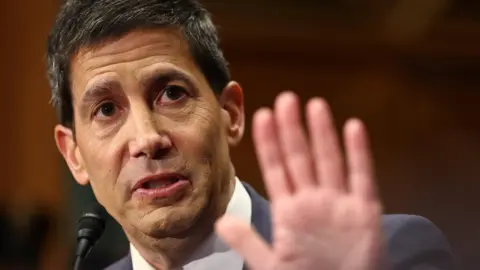
Starting at 12:01 a.m. Saturday, operations ceased after members of five unions walked off the job, and so far, no further negotiations have been arranged. Kevin Sexton, the National Vice President of the Brotherhood of Locomotive Engineers and Trainmen, expressed regret over the situation, noting that the unions' demands have not been met, stating, “We’re far apart at this point.”
In a statement, Janno Lieber, Chairman of the MTA, mentioned that the agency had fulfilled the unions’ requests regarding pay, hinting that the unions were always inclined to strike.
This strike marks the first significant work stoppage at LIRR since a two-day strike in 1994 and is likely to create substantial complications for commuters as well as sports fans, particularly those attending games for the New York Yankees, Mets, and Knicks, given that all these venues are accessed via LIRR stops.
Should the strike continue beyond the weekend, approximately 250,000 daily commuters who rely on the LIRR will be confronted with the challenge of finding alternative transport routes into New York City.
Duane O’Connor, a picketer, conveyed his concerns, saying, This is going to hurt... All we are asking for is fair wages. Record inflation in the last few years... they’re trying to lowball us.”
As congestion on the region's roads is anticipated to worsen due to increased car traffic as people seek alternatives for commuting, Governor Kathy Hochul has urged Long Islanders to work from home when possible. The MTA mentioned that it would offer limited shuttle services to subway stations, although this was not designed to accommodate the usual weekday ridership numbers.
While worker salaries and health care premiums remain points of contention, the MTA argues that the unions' initial requests could lead to fare increases affecting all commuters. Some riders worry that increased wages for workers would ultimately mean higher fares for them.
The political implications of the ongoing strike are also noteworthy, as Governor Hochul approaches reelection with the need to strike a balance between resolving labor issues and maintaining affordable fare structures for commuters. Labor relations expert William Dwyer pointed to Hochul's position: If there’s a significant fare hike, that does not bode well for her on Election Day.”