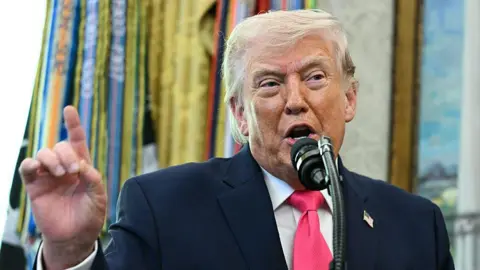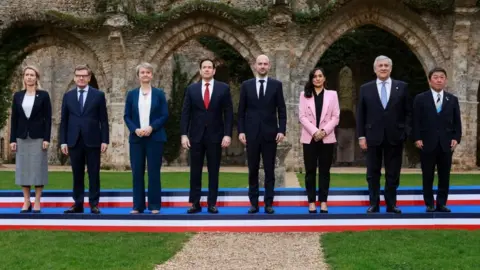
US Secretary of State Marco Rubio has joined a meeting of G7 foreign ministers in France for talks with the US-Israeli war with Iran at the forefront of discussions.
Rubio is anticipated to face pressure to de-escalate the conflict as concerns grow over its ramifications for the global economy. Other G7 members—the UK, Canada, France, Germany, Italy, and Japan—remain apprehensive about military involvement, instead focusing on diplomatic measures.
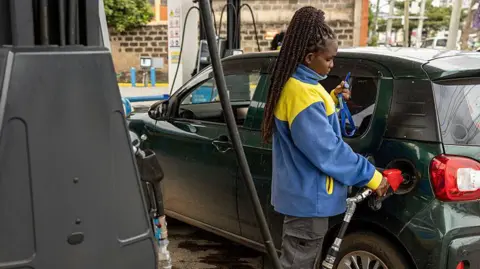
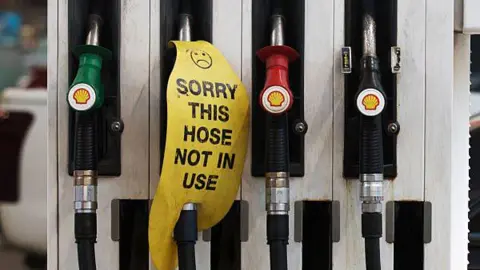
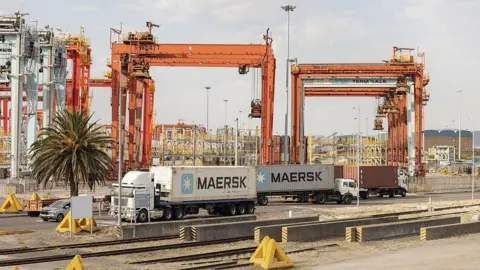
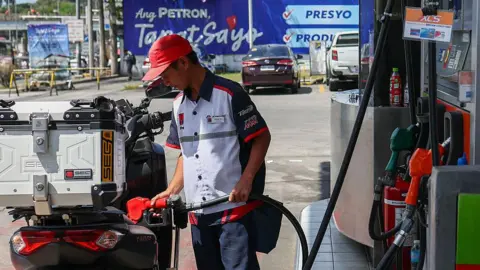
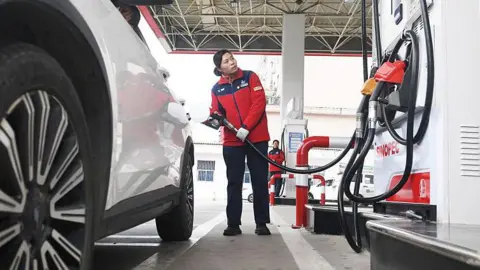
Before his departure for France, Rubio emphasized the G7's responsibility to restore shipping lanes through the Strait of Hormuz, which Iran has effectively blockaded, contributing to skyrocketing fuel prices.
I'm not there to make them happy, he asserted, stating that countries upholding international law must act against violations.
UK Foreign Secretary Yvette Cooper echoed the sentiment, stressing the necessity for a swift resolution that ensures stability in the region and the Strait of Hormuz, through which about 20% of global oil and LNG is transported.
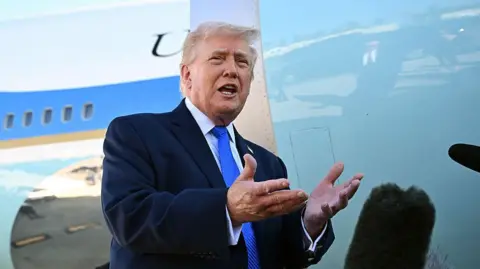
Amid these discussions, President Trump reiterated his dissatisfaction with NATO, accusing member nations of failing to assist significantly with Iran's blockade efforts.
In light of the challenges posed by the conflict, G7 ministers affirmed their readiness to support global energy supply while deliberating on a unified stance to conclude hostilities swiftly.
Rubio's meeting also included talks with Ukraine's Foreign Minister Andrii Sybiha, highlighting the interconnected nature of conflicts in Iran and Ukraine, and how pressures on both fronts may necessitate concerted international efforts.