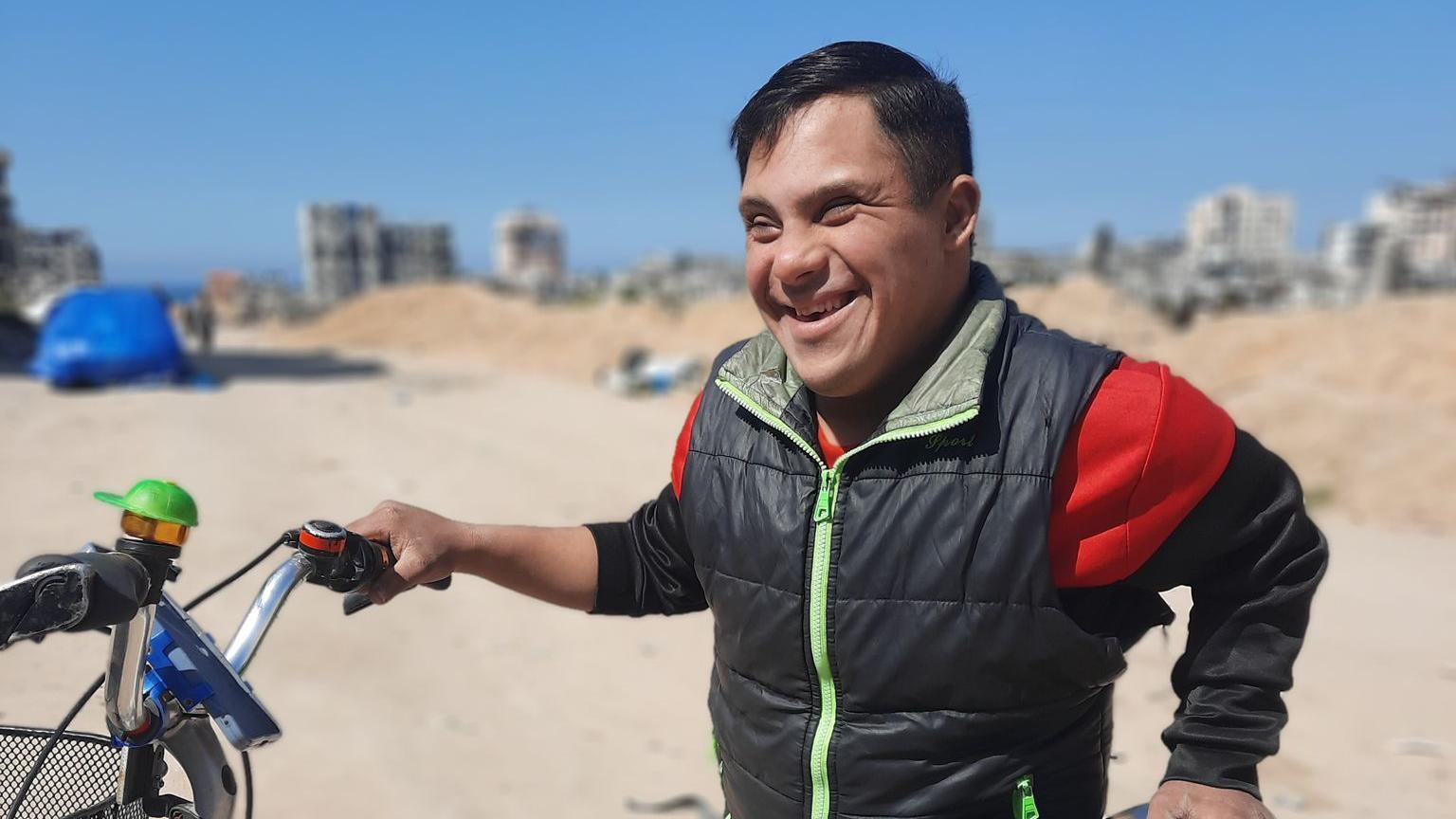
Ahmed al Madhoun looked like a man who, despite hardship, loved life. A playful, chunky little fellow with an exuberant smile.
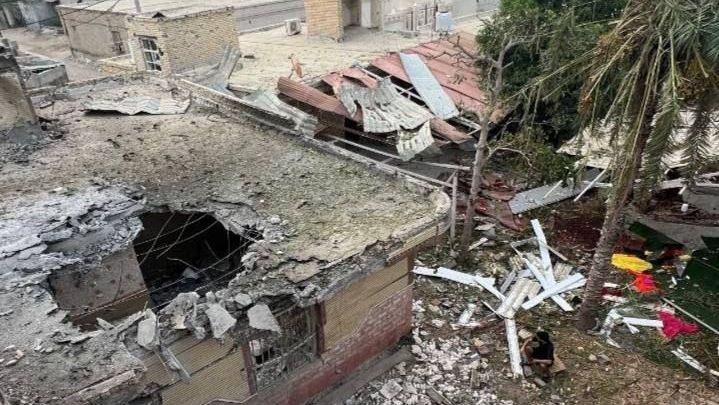
From his partially destroyed home in Gaza City, his mother, Majdiya, shows us videos of him on her phone. In one, Ahmed is cuddling a kitten, sticking out his tongue and squealing with glee. In another, he belly flops into a swimming pool, emerging grinning from ear to ear.
"Everyone was his friend," Majdiya tells us. "He was loved wherever he went, and he always had a smile on his face."
Ahmed, who has Down’s syndrome, vanished in May 2025 after visiting a local shop, a time when Israeli strikes were raging. Majdiya fears his death but does not know for certain.
“My God, I am not at peace,” she says. “I have not lost hope but whether they find him alive or dead, buried under rubble, only then will I be at peace.”
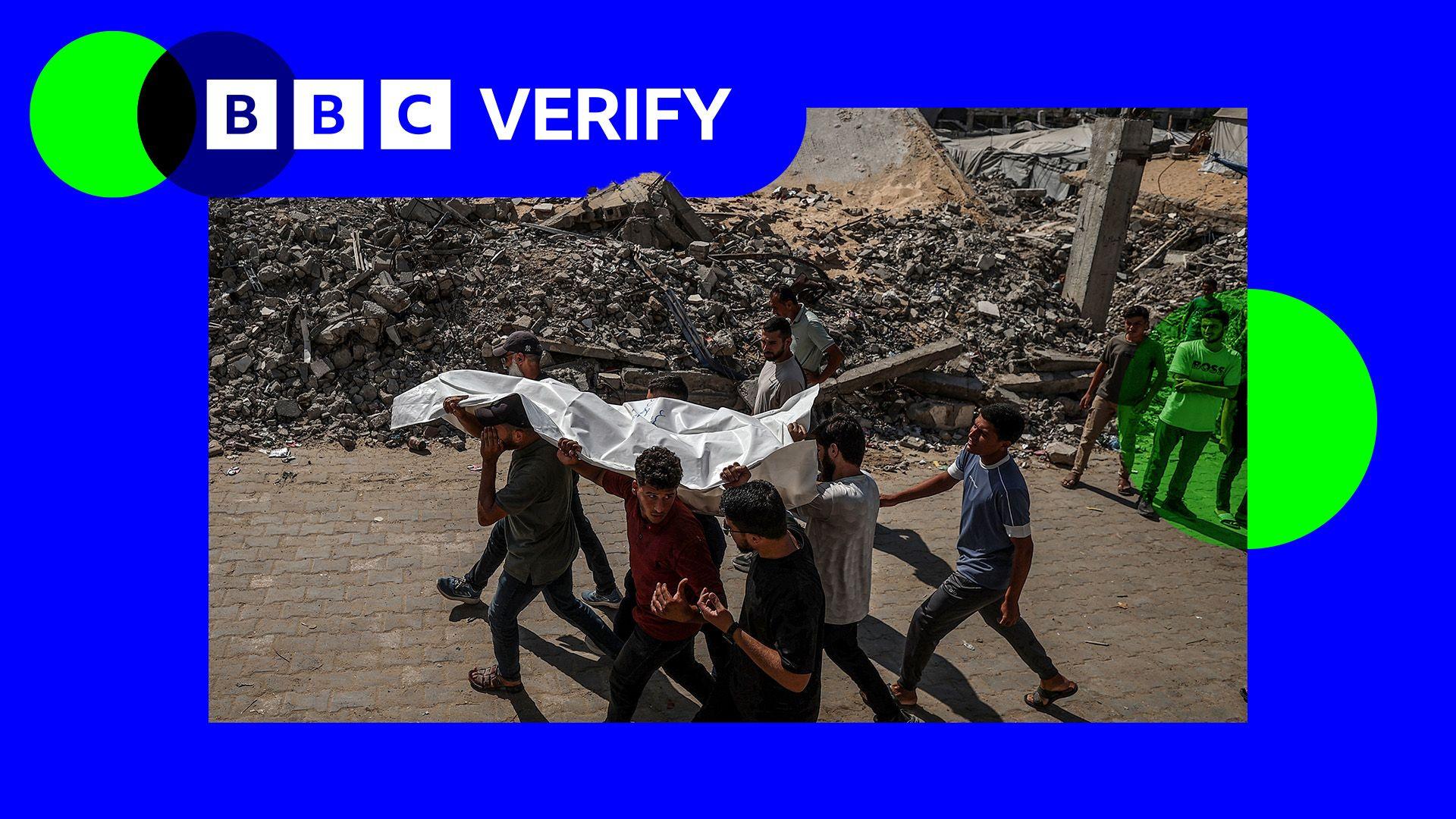
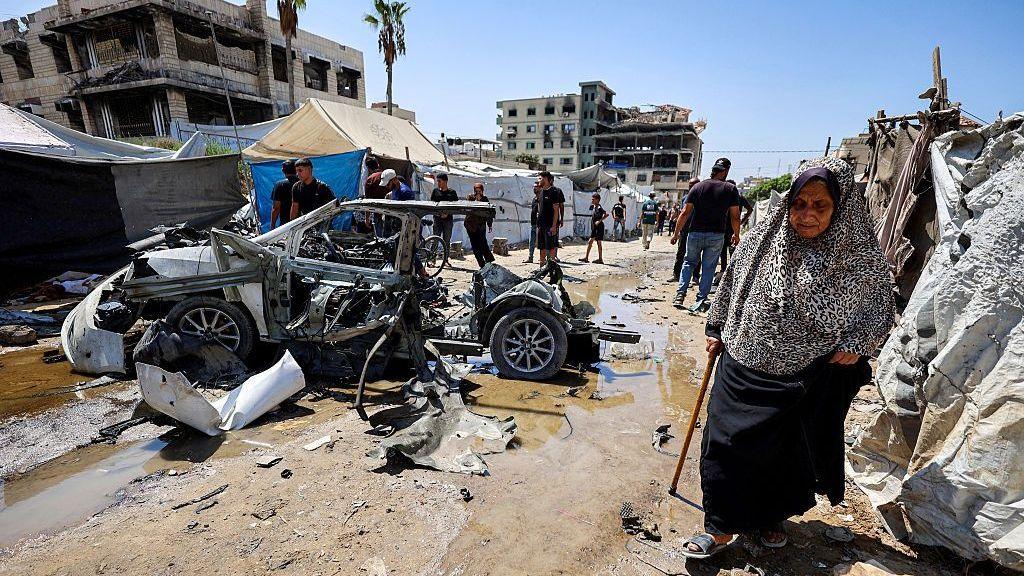
Other mothers feel the same anguish across Gaza. More than 73,000 people have been killed in Gaza since the conflict began, yet those buried under rubble are not counted in official death tolls, meaning many missing are not recorded.
The Red Cross has received over 5,000 requests to trace missing people who might be buried amid destruction, while the Civil Defence agency estimates over 8,000 missing.
Daily bodies are being discovered, and a mass funeral in Gaza City recently laid to rest over a hundred victims from a 2023 attack.
Ahmed’s family knows he may have died or could be detained by Israeli forces. He disappeared during heightened conflict, and yet Israeli authorities have not confirmed his detention.
Meanwhile, Aida al Drimli of the Sabra district lost her son Mahmoud in 2024, fearing he was killed in an Israeli attack. A photo surfaced last summer showing a bound Palestinian matched Mahmoud’s features, leading Aida to believe he is in custody.
Her family asserts neither son has any affiliation with Hamas or militant groups. Israeli prison services have no records of holding either individual, and the military has not responded to inquiries.
Israel does not permit independent journalists or the Red Cross to access its prison records, making families’ searches incredibly difficult. According to the Israeli lawyer, Tal Steiner, “Oct 7th changed everything.”
Steiner notes that without shared lists of detainees, families must trace each missing person individually, creating a significant strain on humanitarian work. “It’s an open wound that doesn’t heal,” he says.
The uncertainty surrounding each missing person, whether dead, alive, or detained, continues to haunt families, driving prolonged mental anguish that spans years.