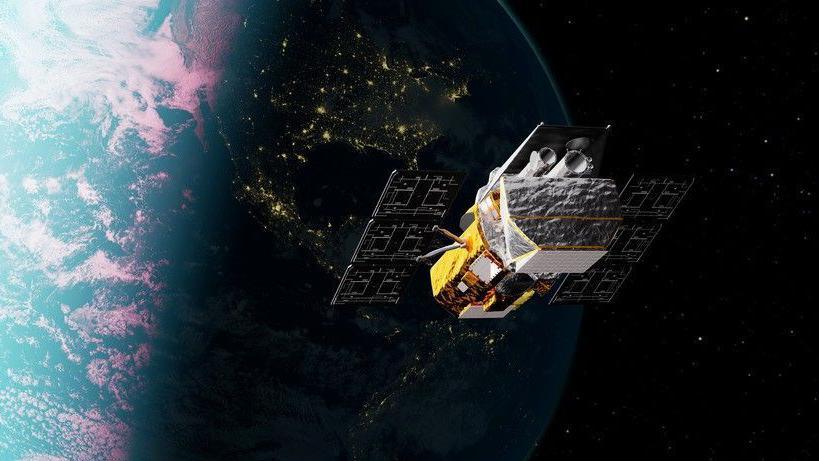
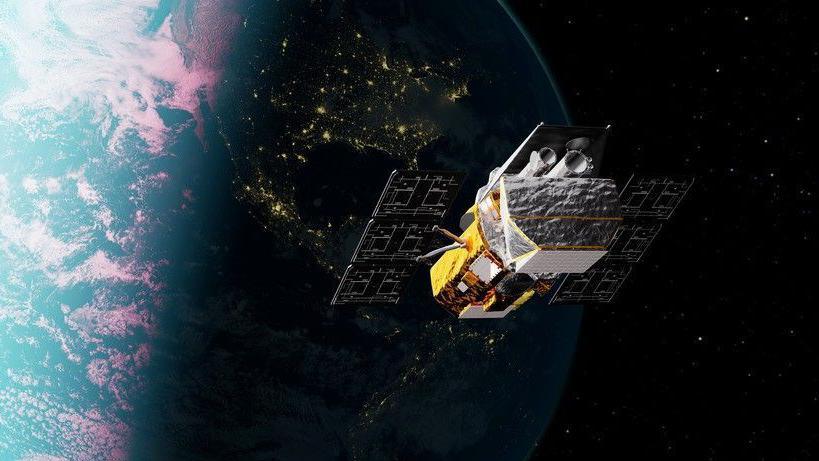
The Swift Gamma‑Ray Burst Observatory, launched in 2004, has been a cornerstone for high‑energy astrophysics, tracing the deaths of massive stars and the violent collisions of neutron stars. Its orbit, originally at 373 miles (600 km) above Earth, has slipped to roughly 220 miles (360 km) because the upper atmosphere has been pushed higher by recent solar activity. As the craft drags against this denser air, its orbit will decay further and it will eventually burn up in the atmosphere in a few months.
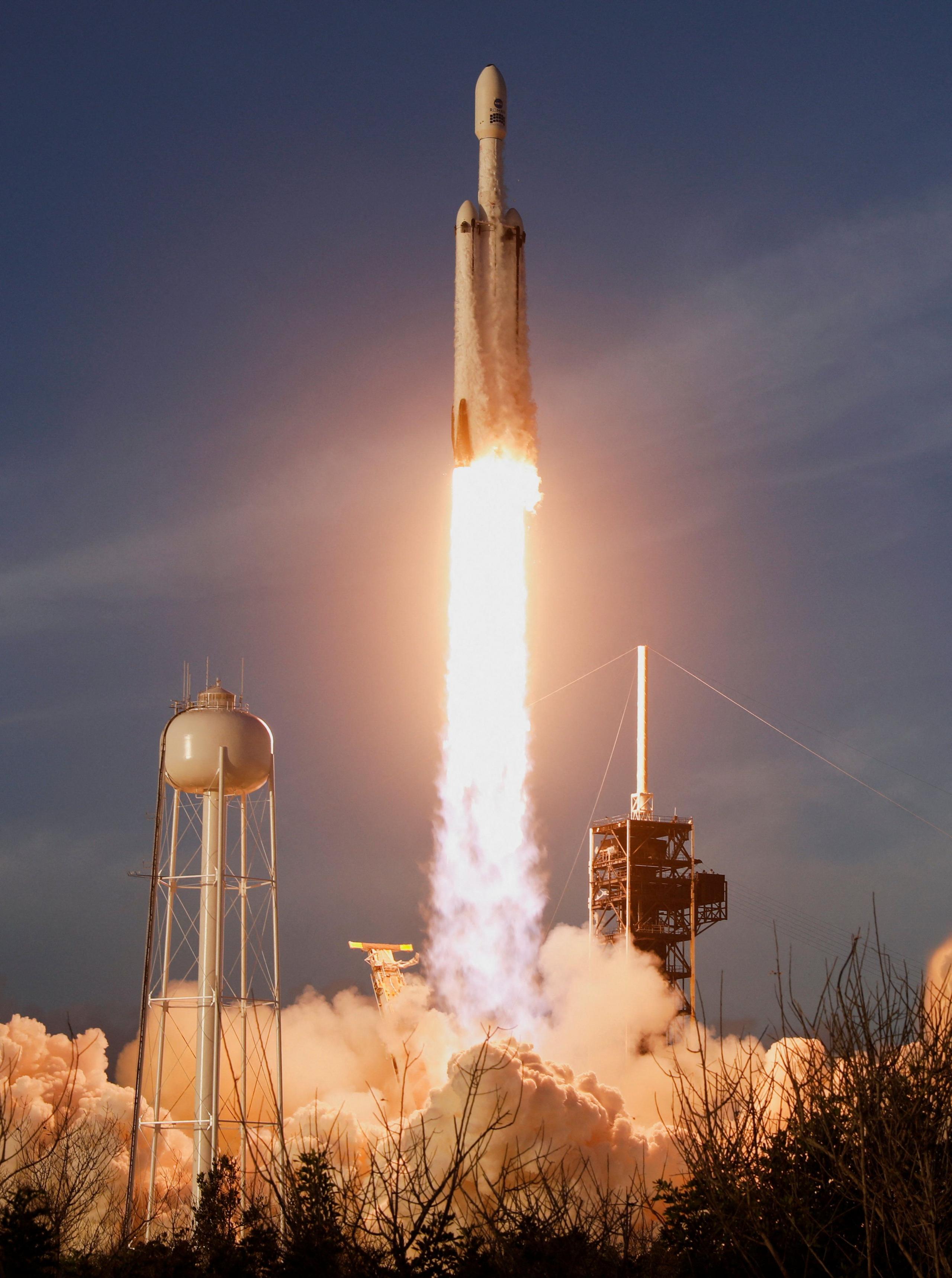
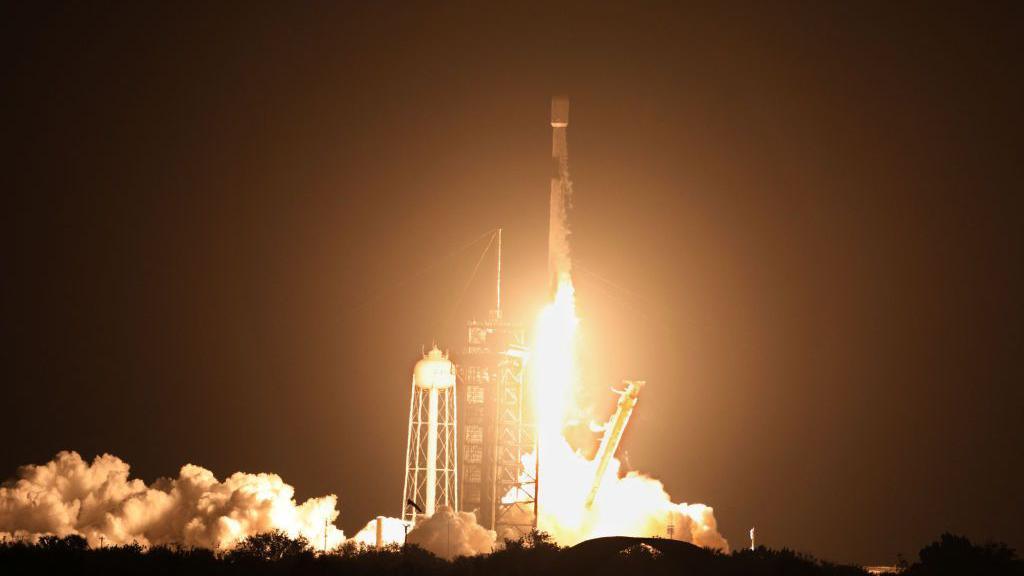
To prevent this loss, NASA funded Katalyst Space Technologies of Flagstaff, Arizona, with a brief deadline to design, build and launch a rescue spacecraft. The resulting vehicle, named LINK, is a three‑armed robot roughly the size of a refrigerator, equipped with cameras, guidance systems and small thrusters. It was launched Friday on a Pegasus XL launch vehicle and is now beginning a slow, deliberate approach to Swift’s changing orbit.
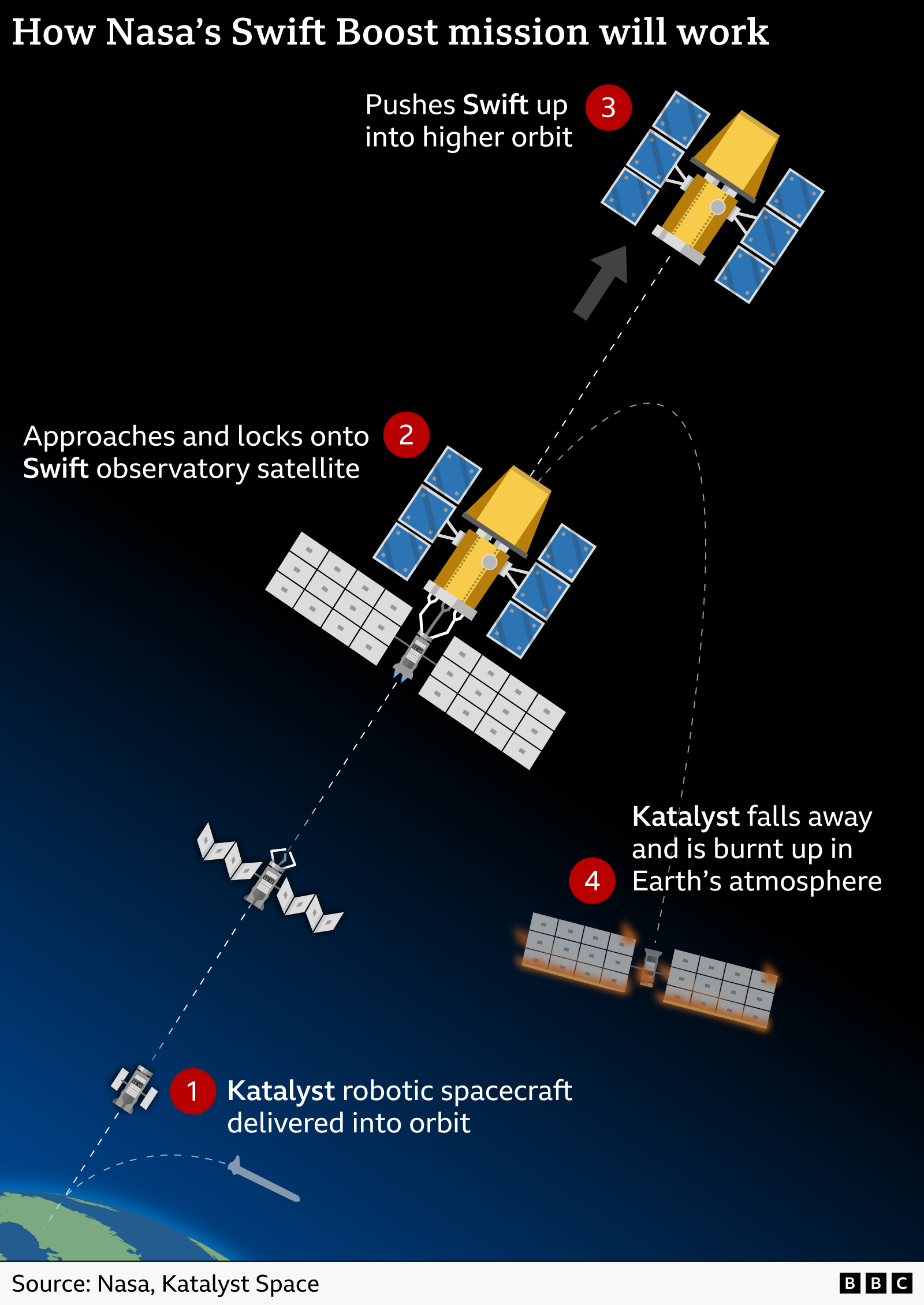
LINK will first snapshot Swift from every angle, then slowly extend its arms to latch onto the telescope’s exterior. Once a secure grasp is made, the propulsion system will gently raise the combined mass to a more stable altitude. Over the next two to three months, the two craft will drift toward the historic 600‑mile orbit, where Swift’s thermally controlled instruments can continue imaging the high‑energy universe.
The mission carries unprecedented technical challenges: matching a moving target that has been in space for over twenty years, and doing so with no prior design precedent. The engineers at Katalyst have completed the hardware in eight months, a record time for a commercial servicing mission. “It is high risk, but we have tried every capability NASA and the scientific community have to offer,” said Dr. Simeon Barber, a senior researcher at the Open University.
If LINK succeeds, it will demonstrate that damaged or decaying scientific spacecraft can be brought back into operation, opening doors for future recoveries such as of the Hubble Space Telescope. For the astronomy community, preserving Swift means continued observation of the universe’s most violent events, a resource that cannot be duplicated on Earth.
The launch page includes NASA’s official documentation and a step‑by‑step illustration of the rescue plan: NASA official Swift Boost Mission page.