The Next Steps After Artemis II: Challenges Ahead for Human Spaceflight
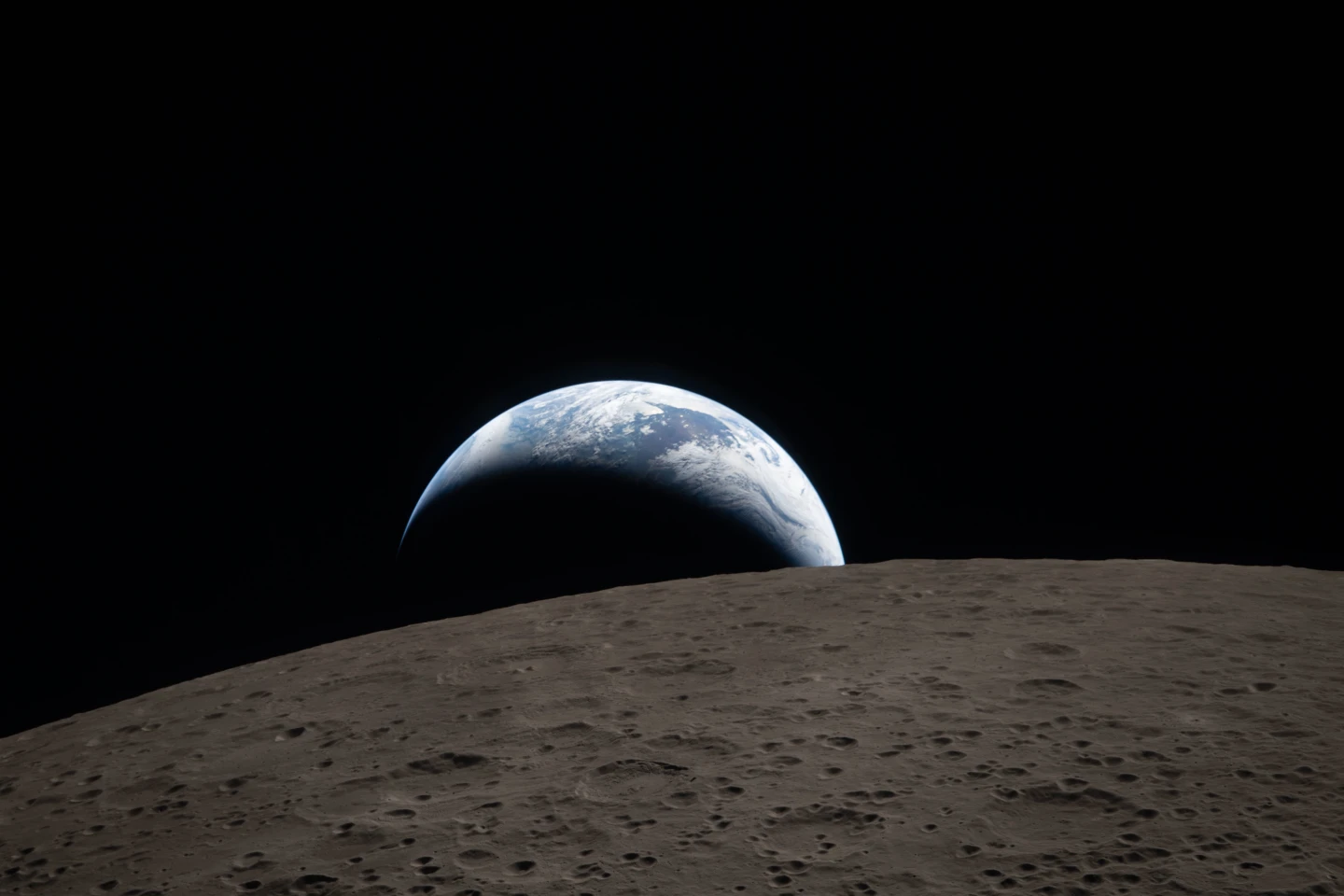
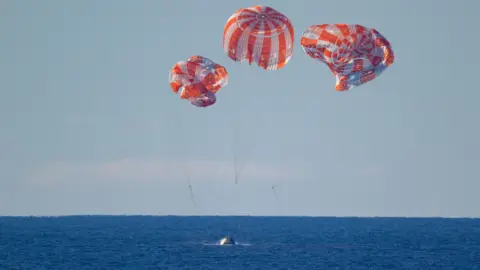
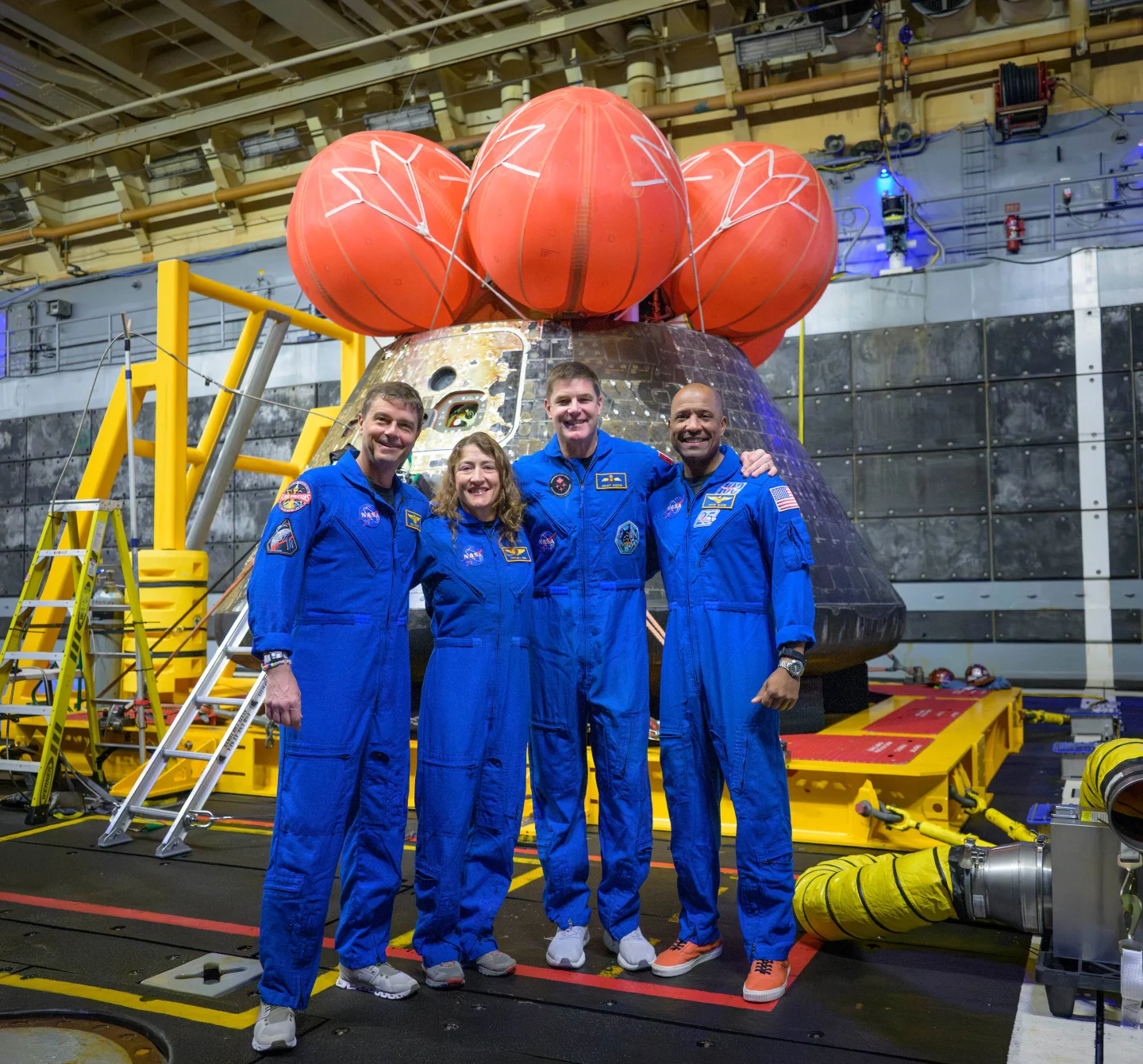
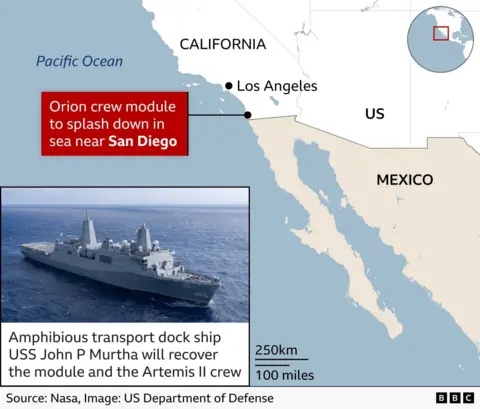
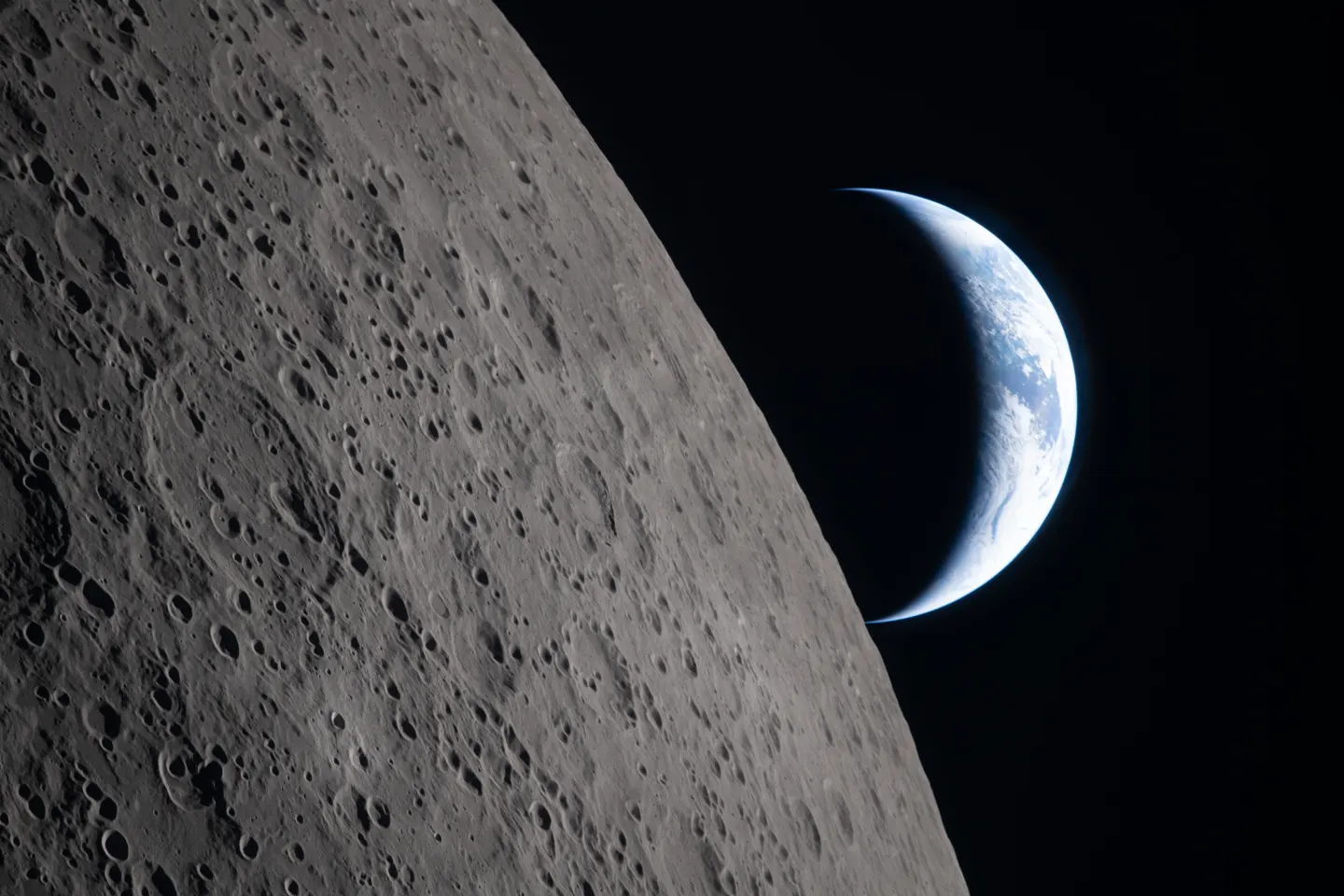
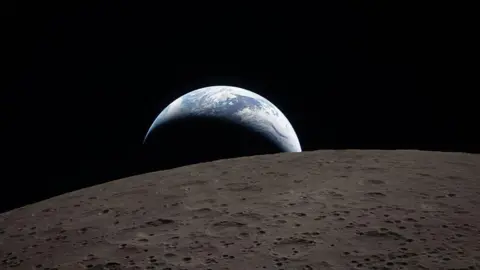
Nasa's Artemis II mission has successfully sent four astronauts sweeping around the far side of the Moon and landed them safely back home. The Orion spacecraft performed admirably, captivating a new generation about the possibilities of space travel.
However, does this mean that future generations will be able to live and work on the Moon in their lifetimes? The path ahead is filled with hurdles, and while looping the Moon was reasonably straightforward, the real challenges are just beginning.
The ambitious plans set forth by NASA Administrator Jared Isaacman include launching one crewed lunar mission annually, starting in 2028, which has led to questions about the feasibility of these timelines given current technological hurdles.
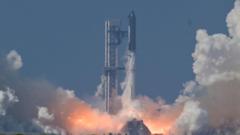
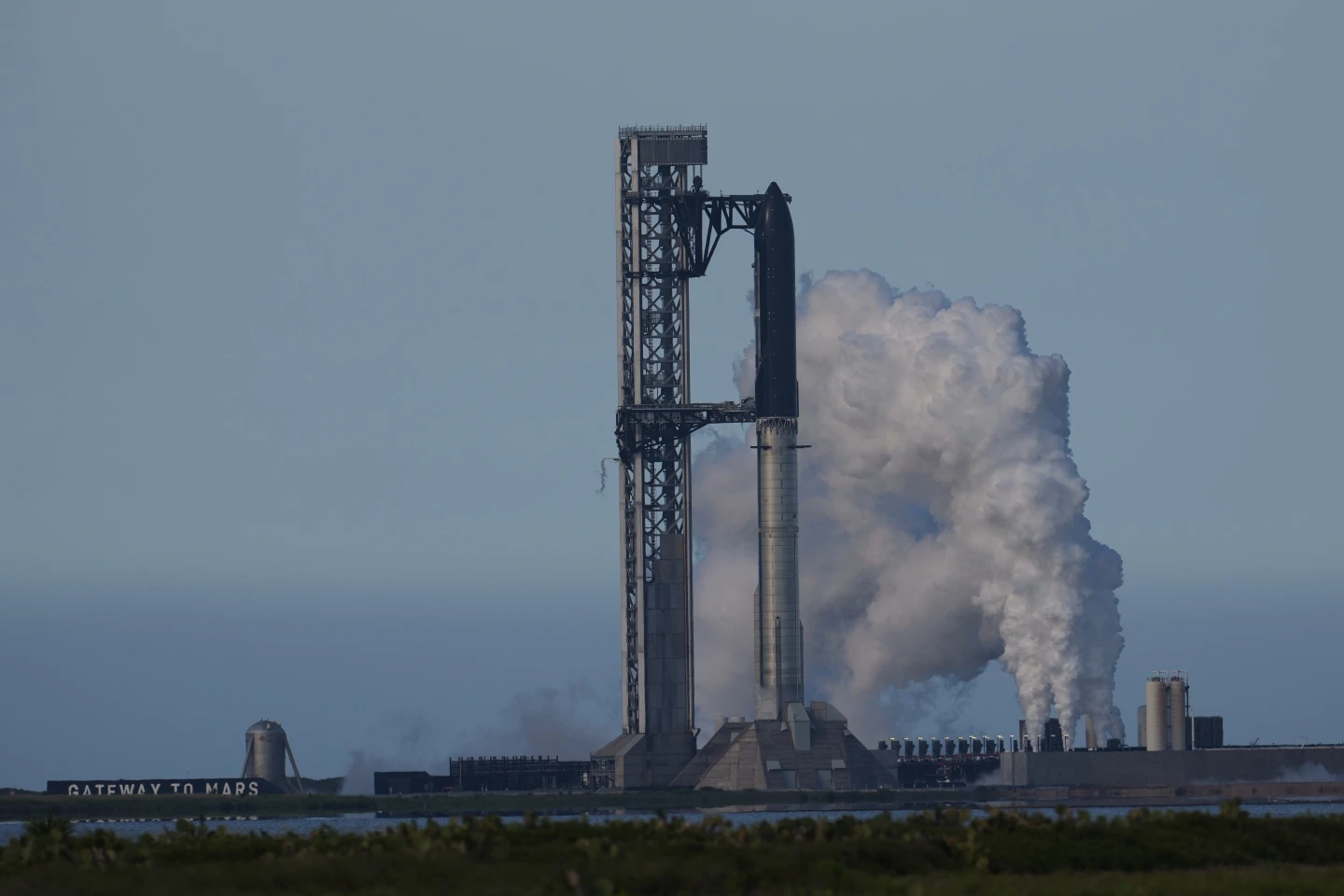
Significantly, NASA will require a lander to accomplish lunar landings, with contracts awarded to SpaceX and Blue Origin for their innovative designs. Yet, both companies face delays, complicating preparations for upcoming missions.
Nasa's Office of Inspector General highlighted that the projects are lagging behind schedule, with concerns regarding the engineering complexities of in-orbit refueling for these missions. As the timeline for Artemis landing strategies stretches, experts suggest that unforeseen delays may lead to geopolitical outcomes, with emerging competitors like China potentially mimicking or surpassing US lunar ambitions.
Looking even further, aspirations of Mars exploration raise larger questions of human sustainability in such remote and hostile environments. SpaceX touts ambitions for a Mars mission within this decade, but many experts push realistic timelines into the 2040s or later as they recognize the daunting challenges posed by the Martian environment.
As space agencies and private companies ramp up their missions following Artemis II, it's clear that while meaningful progress is being made, substantial engineering, logistical, and political challenges must be navigated for humanity to reach beyond the Moon to Mars and beyond.