Optimism Rises: Artemis II Proves Moon Landing is Within Reach
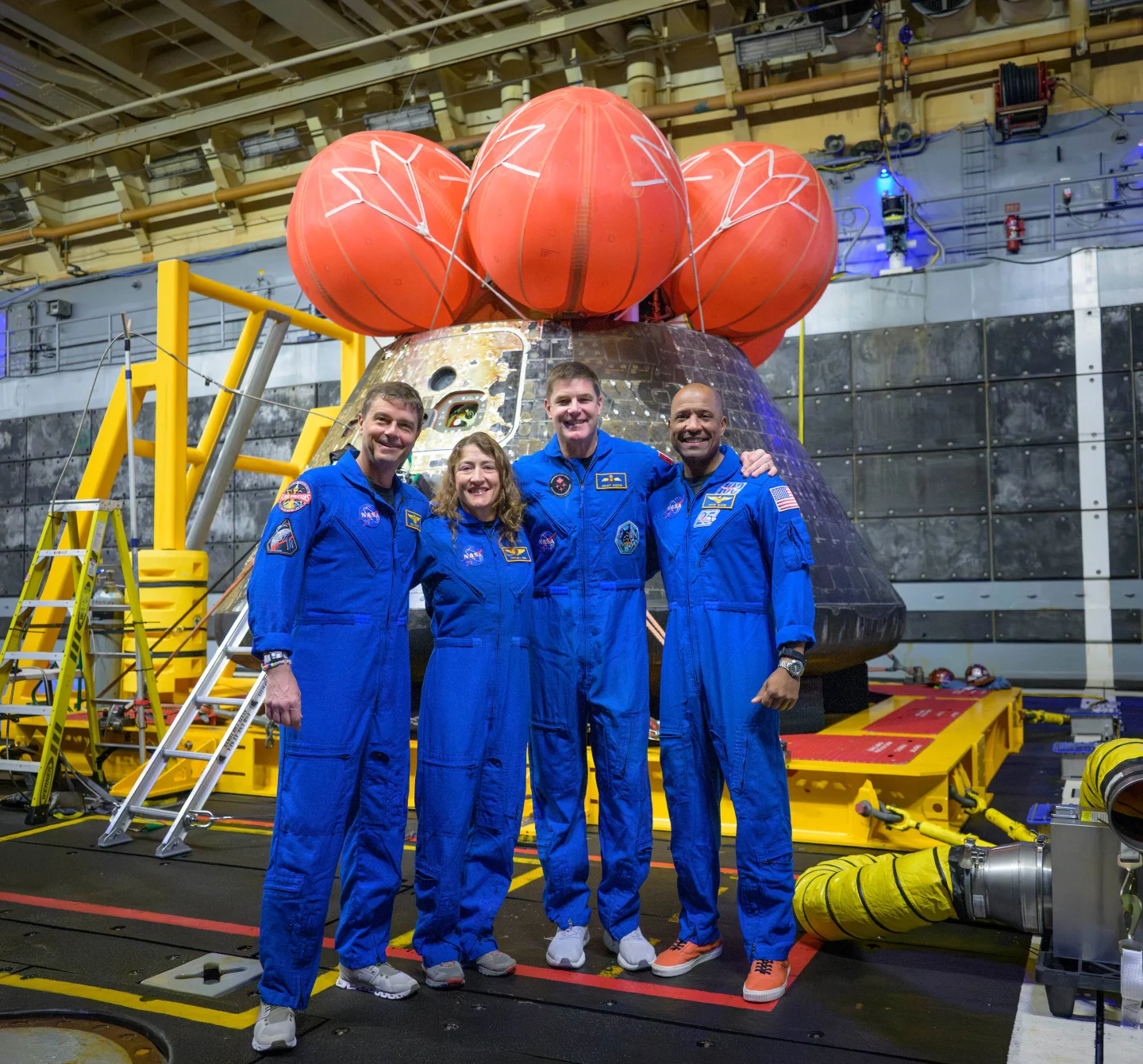
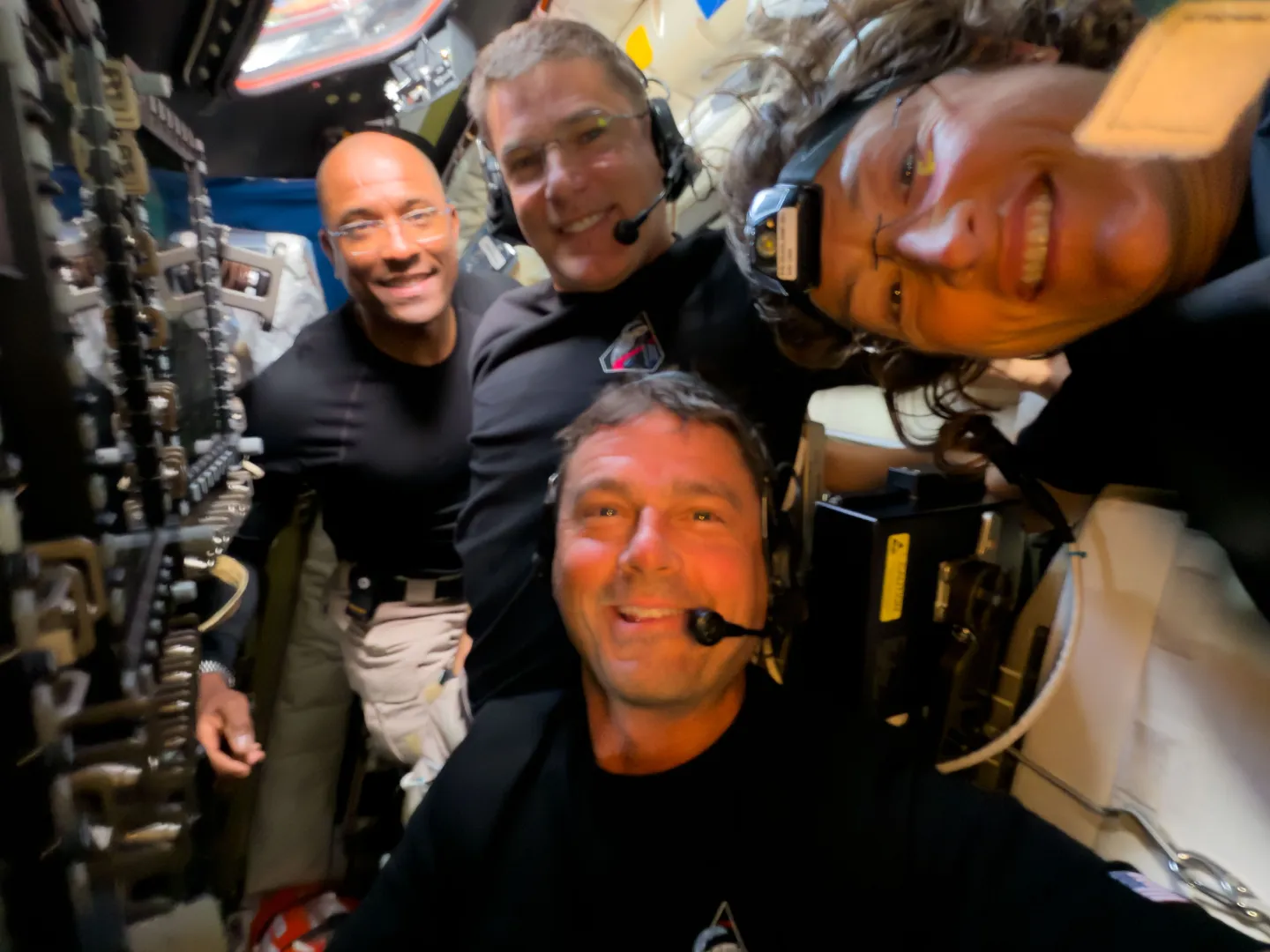
NASA's Artemis II mission has passed every major test since its launch on April 1, showcasing the spacecraft and crew's performance beyond engineering expectations. The Orion capsule has functioned as intended with humans on board for the first time, instilling hope and optimism amidst a world craving inspiration.
The mission has generated considerable excitement regarding a potential Moon landing by 2028, a goal advocated by NASA and the current administration. Nonetheless, it also raises pertinent questions about readiness, including whether the necessary landers and political commitment will materialize in time.
What Artemis II Has Taught Us So Far
The first six days of Artemis II delivered valuable insights into the spacecraft's operation. NASA had faced technical challenges with earlier rockets, highlighting the need to transition from treating every launch as a unique artifact to implementing a consistent launch schedule.
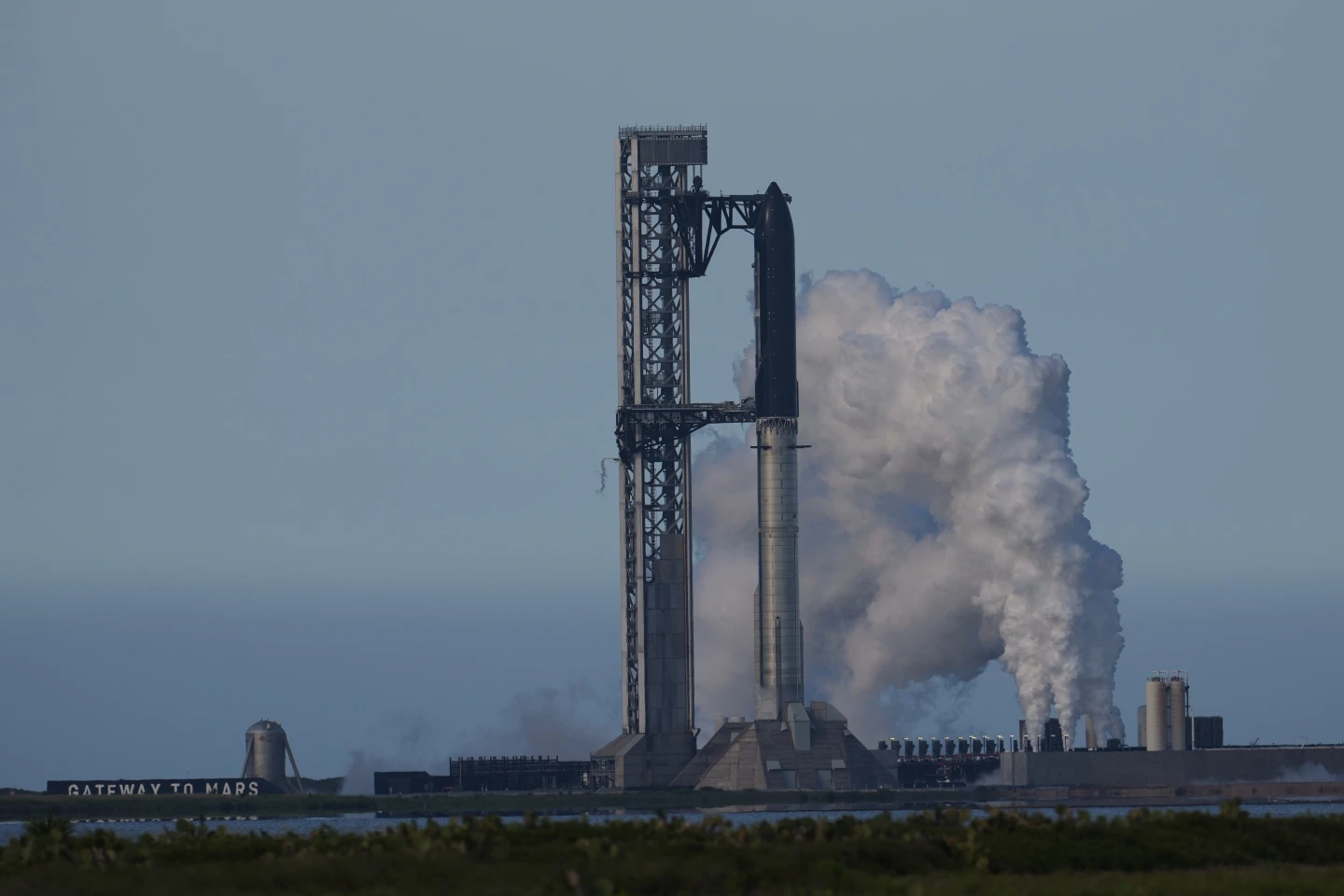
Artemis II maintained a smooth trajectory towards its objectives, with the SLS rocket generating 8.8 million pounds of thrust and completing key mission phases as planned. The crew performed a flawless engine burn that placed them on a path to the Moon without requiring further course adjustments.
A Rocket That Did the Job
Despite early setbacks, the mission's advancements celebrate the engineers' success in integrating human interactions into the spacecraft's functionality, preparing for future crewed Moon landings.
Human Elements in Space Exploration
The mission candidly revealed human factors, such as toilet and water dispenser complications, emphasizing that space travel still deals with basic needs. Engineers are assessing how to ensure safety and comfort for astronauts as they navigate complex stresses of space travel.
Great Science or NASA Hype?
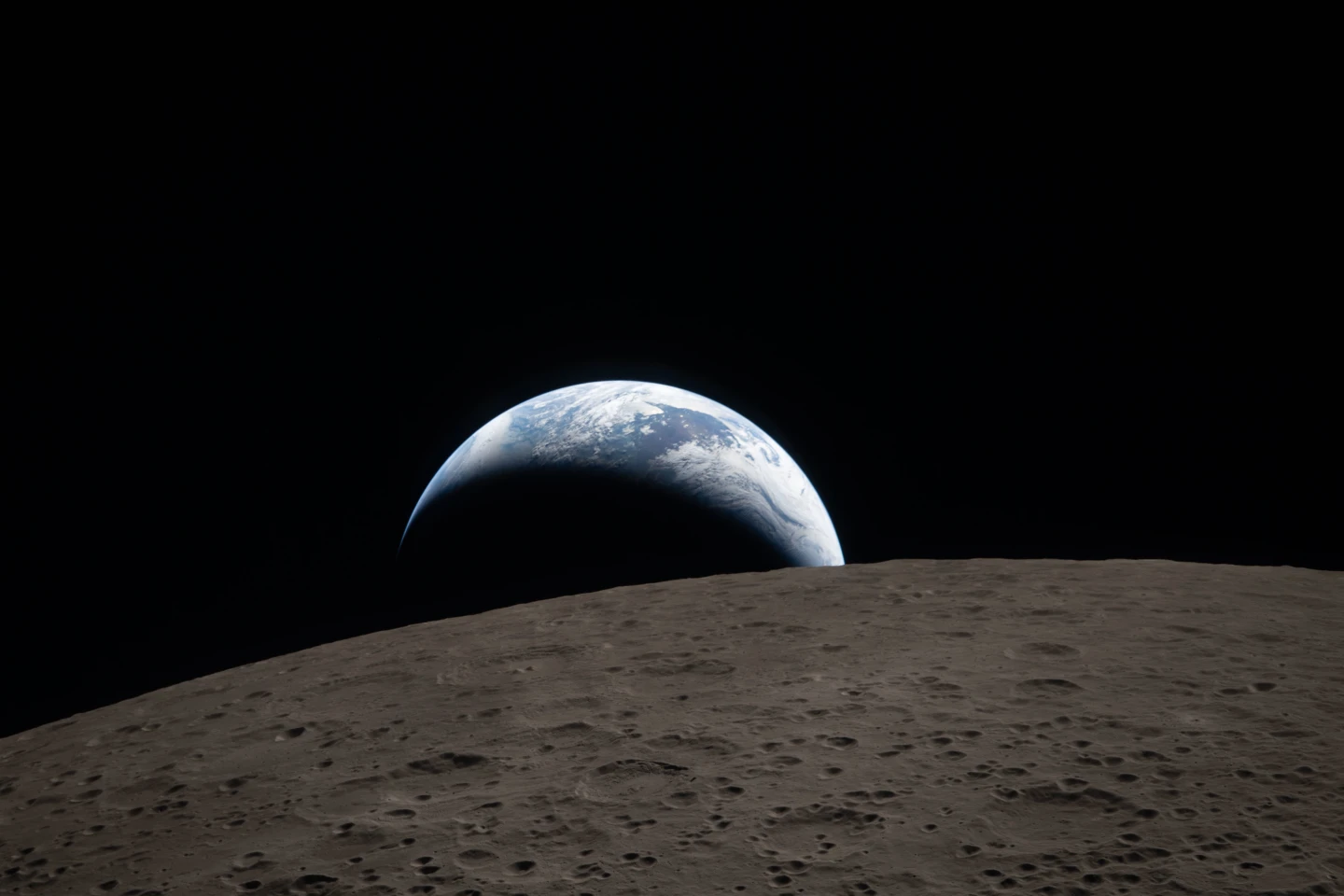
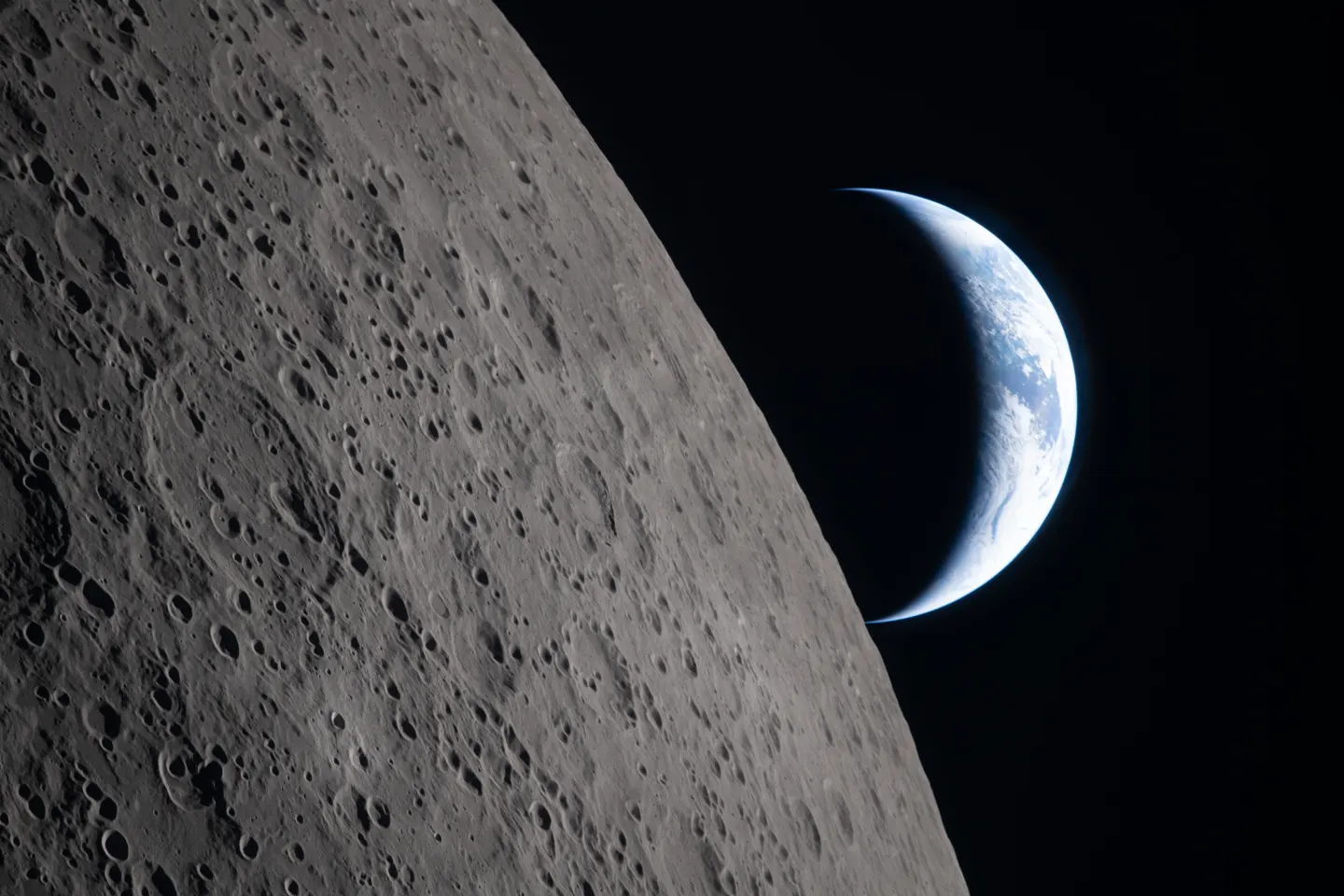
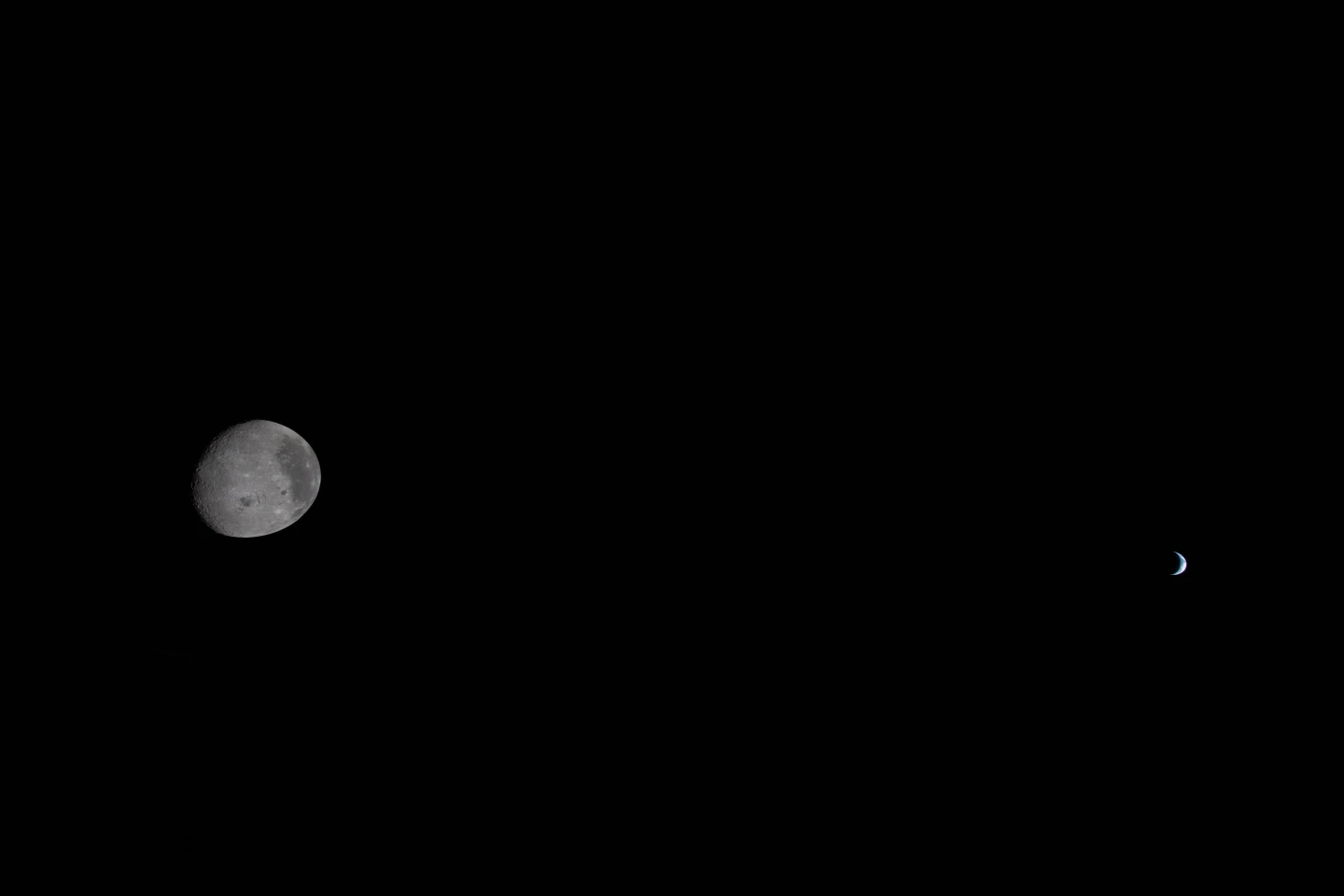
While scientists are enthused about the mission's potential contributions to lunar science, critiques suggest that many geological observations and images might not uniquely advance scientific knowledge compared to prior missions from robotic explorers. Regardless, the artistic value of the captured images serves as a significant source of inspiration.
The Journey Continues
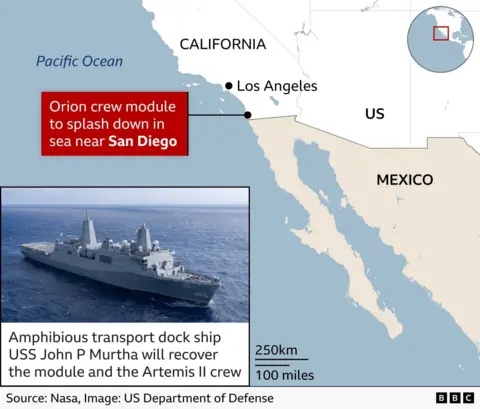
As the Orion capsule makes its way back, the forthcoming re-entry test will be crucial in determining the mission's legacy. Should it be successful, the narrative will change from whether the spacecraft can fly to how effectively NASA can proceed with its lunar ambitions.
Artemis II has provided a critical platform for future explorations and has inspired hope that its successes may continue into subsequent missions, reinforcing humanity's aspirations for lunar return and beyond.