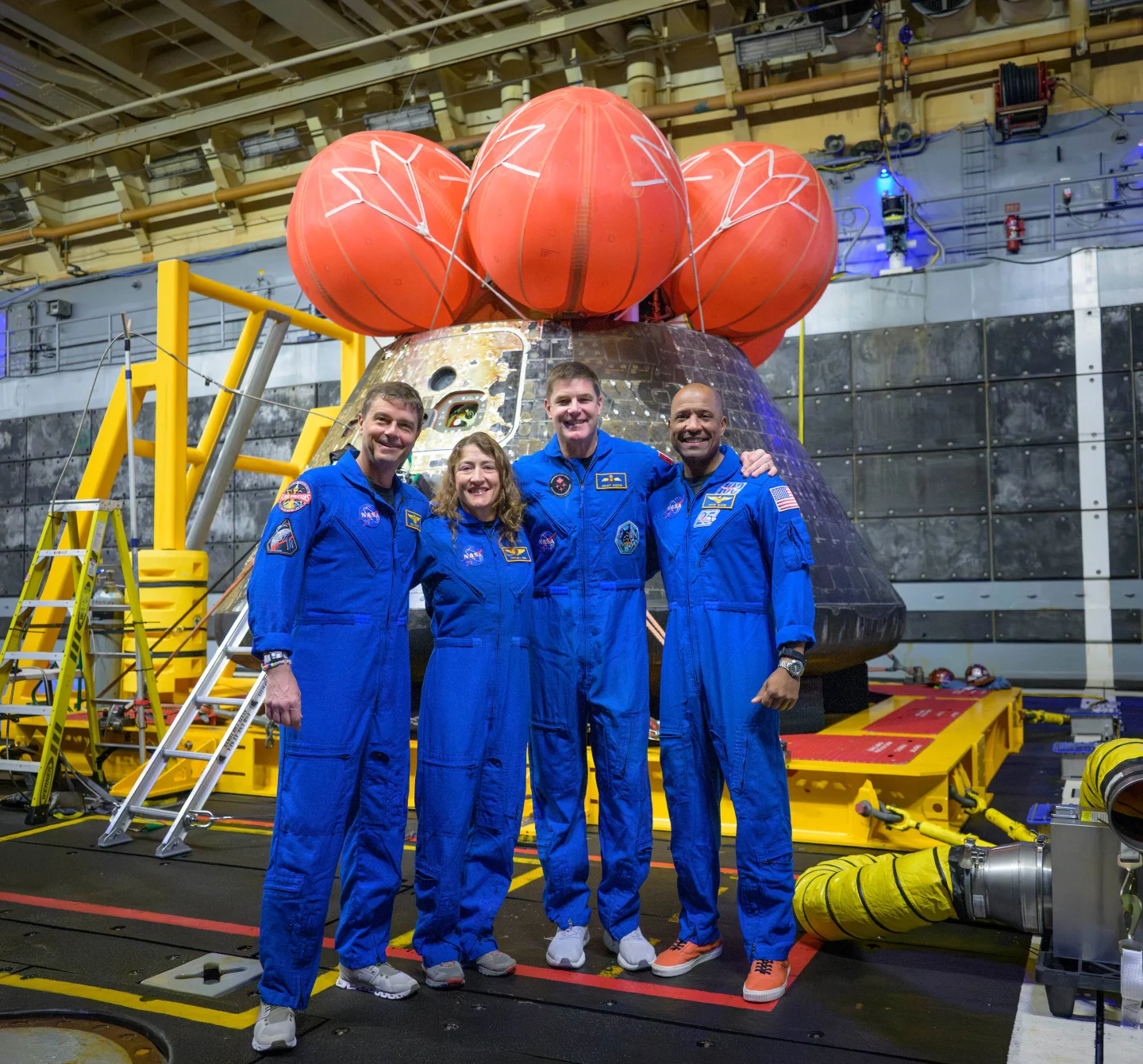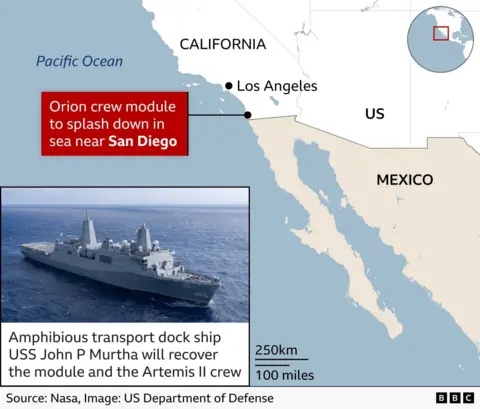
Nasa's Artemis II mission has successfully sent four astronauts sweeping around the far side of the Moon and landed them safely back home.
The Orion spacecraft performed admirably and the images the astronauts captured have delighted a whole new generation about the possibilities of space travel.
But does this mean that the children enthralled by the mission will be able to live and work on the Moon in their lifetimes? Perhaps even go to Mars, as the Artemis programme promises?
It seems churlish to say, but looping the Moon was relatively easy. The really hard part lies ahead, so the answer is maybe, maybe not.
It is important to remember that Nasa’s stated ambition has shifted. During the Apollo era, space exploration was driven largely by geopolitical competition rather than a genuine spirit of discovery. This time, Nasa Administrator Jared Isaacman has set out plans for one crewed lunar landing per year, beginning in 2028, potentially marking the start of a Moon base. However, this will require overcoming significant engineering obstacles.
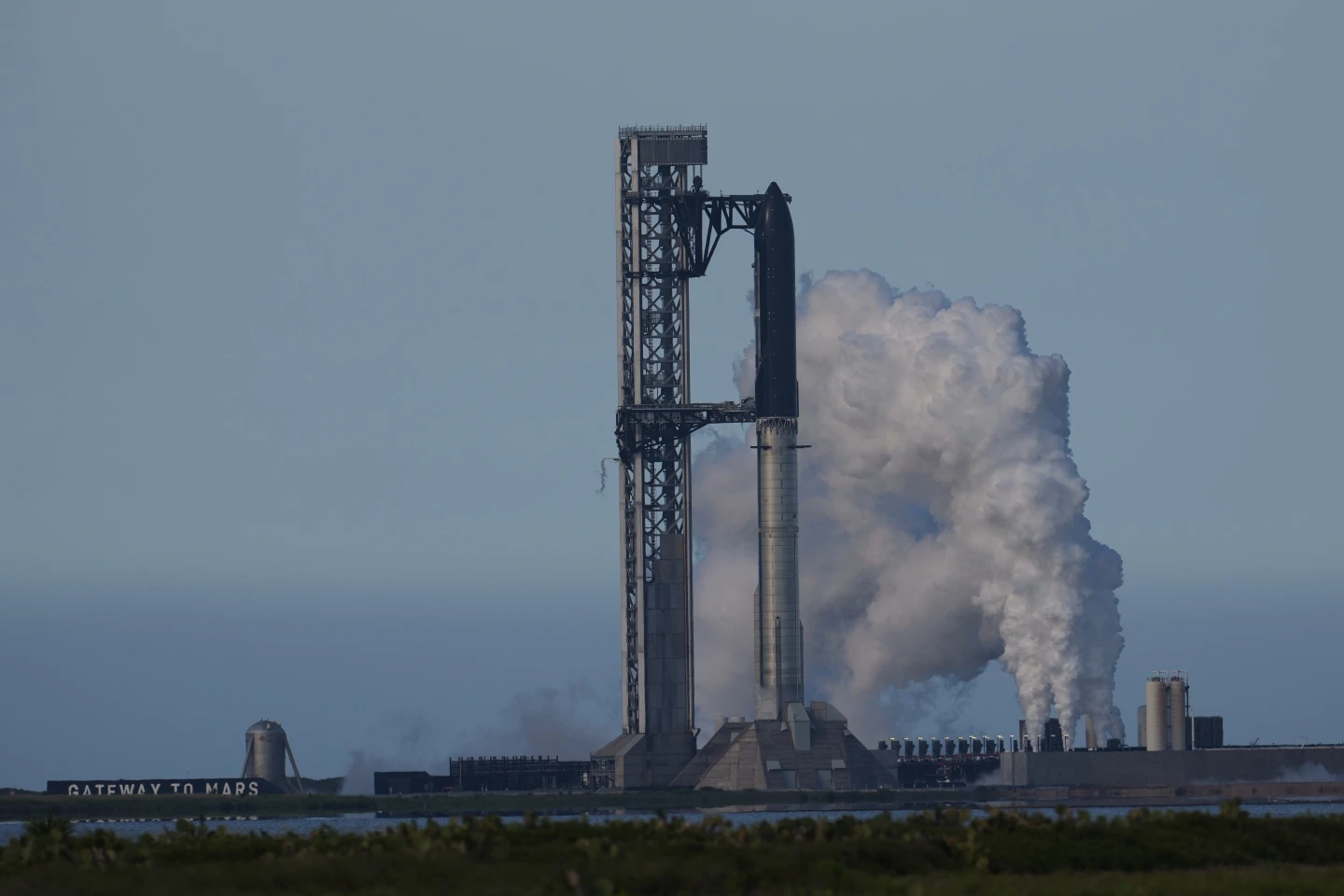
Among these challenges is developing a reliable lunar lander. Nasa has contracted private companies like SpaceX and Blue Origin for this purpose. Yet both are significantly behind schedule, raising doubts about the feasibility of the ambitious timelines.
Moreover, the Artemis programme aims to develop a Moon economy, but successful execution will depend on complex logistics, including refueling operations in orbit. Dr. Simeon Barber notes that if fuelling presents challenges on the launch pad, it may be even more daunting in the vastness of space.
Looking beyond lunar objectives, discussions about missions to Mars raise different sets of challenges, expected to take longer than many initially hope. The journey to Mars, with its intense radiation exposure and complex landing logistics, poses a significant hurdle that experts say may not be realized for several decades.
Despite the challenges that lie ahead, the Artemis II mission has invigorated international interest in human spaceflight, prompting a new era of partnerships between governmental agencies and private enterprises. If successfully navigated, the Artemis programme could well pave the way for a sustainable human presence on both the Moon and beyond.