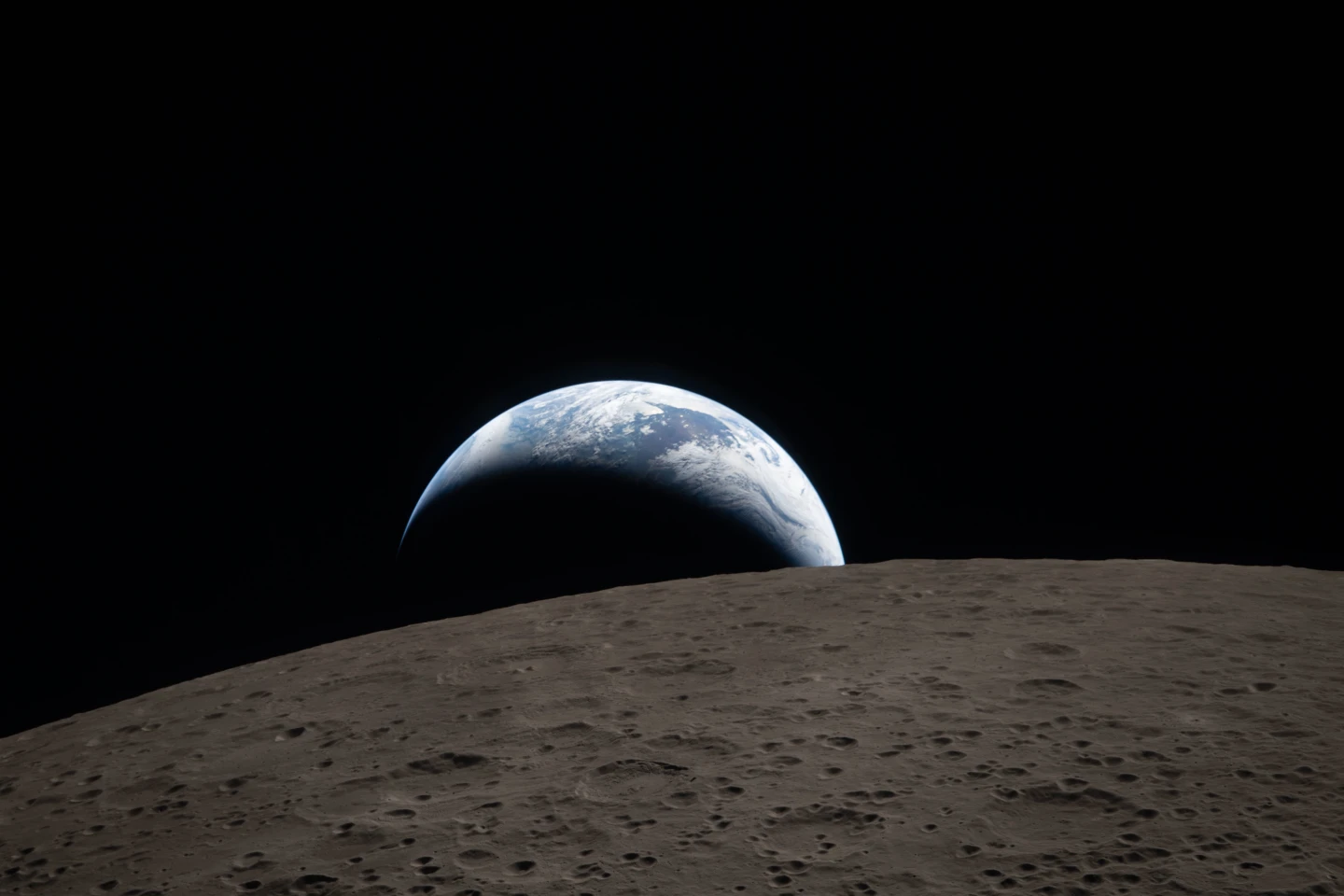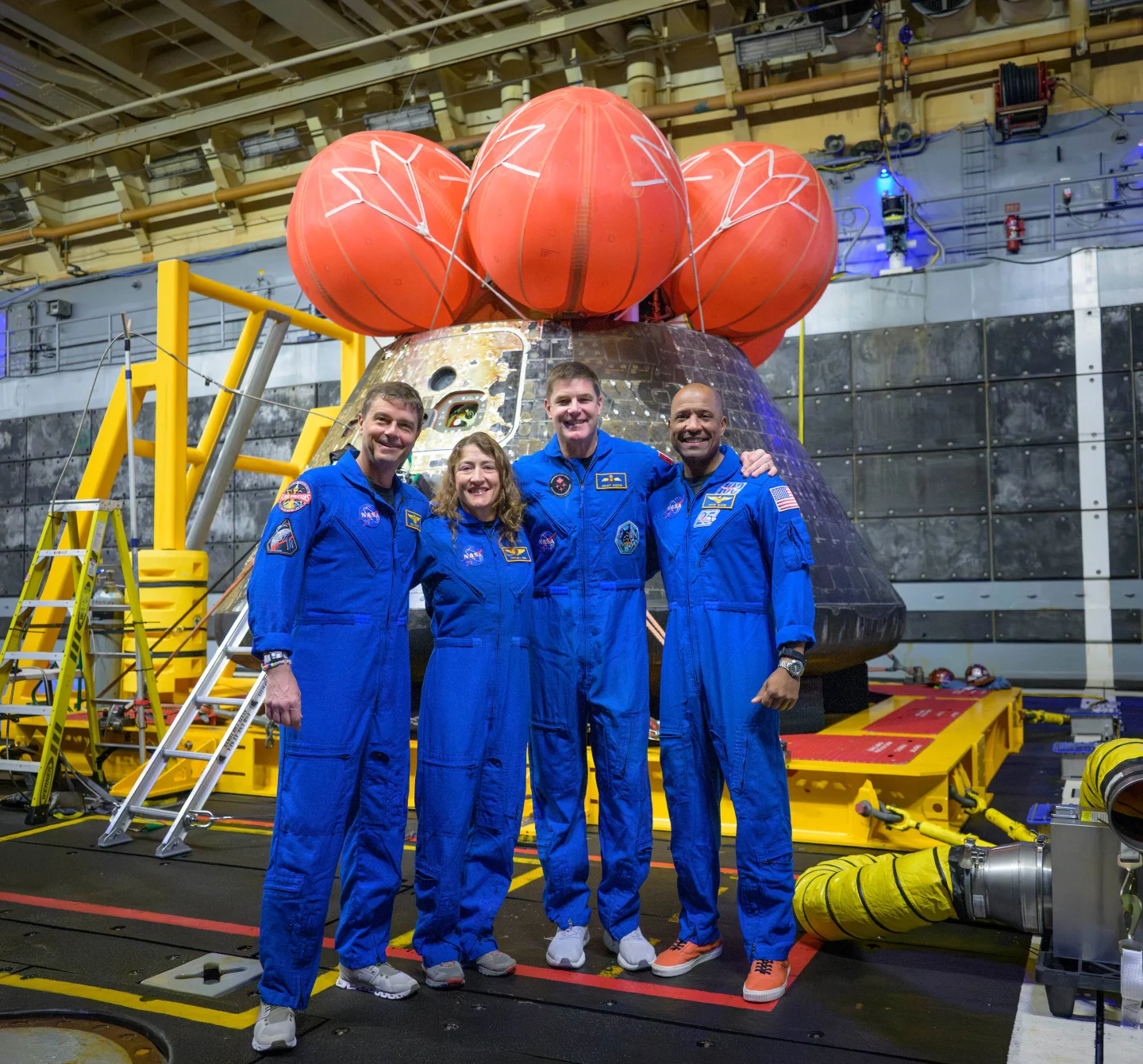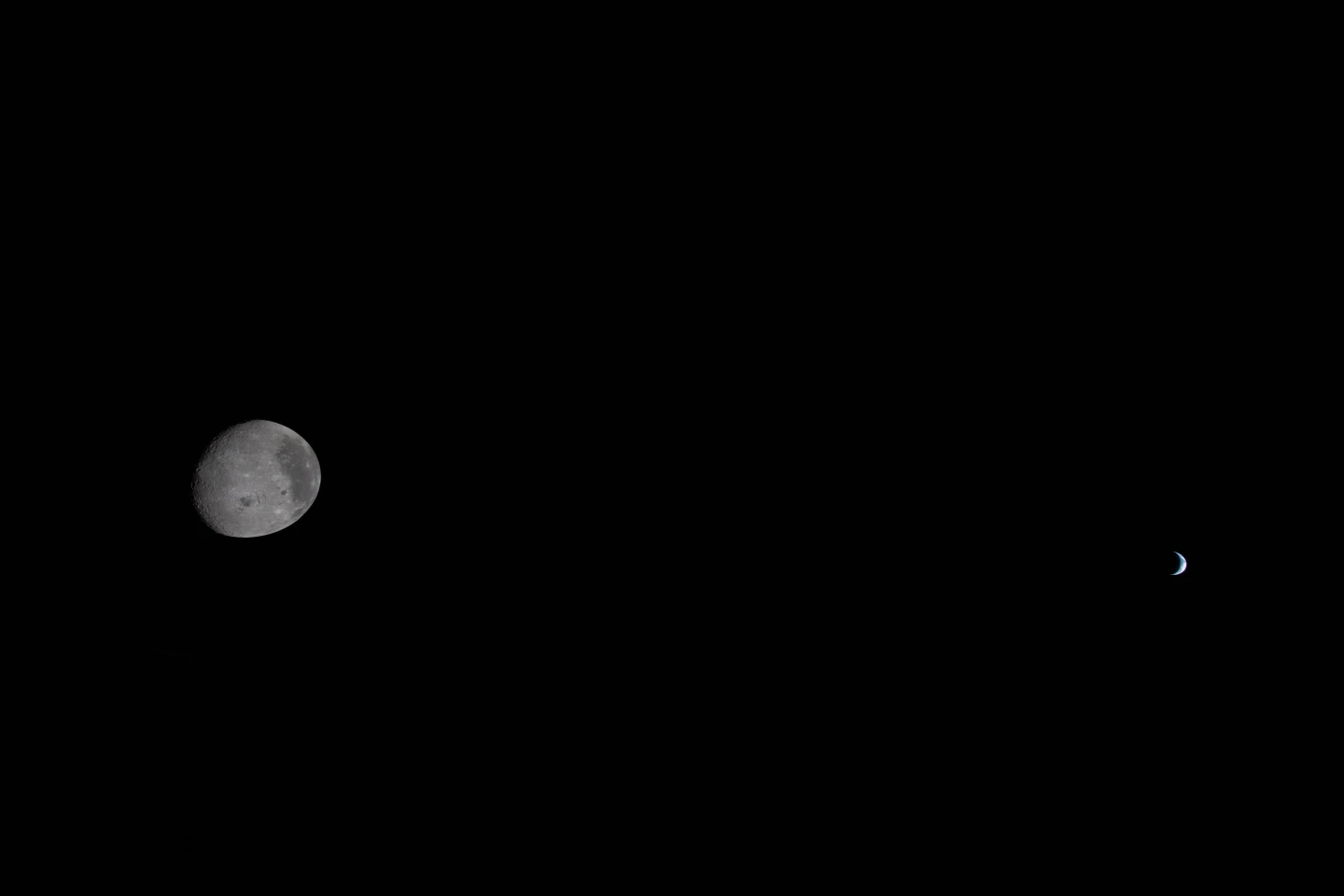
Nasa's Artemis II mission has passed every major test since its launch on 1 April, with its rocket, spacecraft, and crew performing better than engineers had dared to hope for. The mission's first six days have shown that the Orion capsule works as designed with people on board for the first time - something no simulator could prove.
Perhaps its greatest achievement, though, is through the actions of the Artemis crew, which have generated hope, agency, and optimism for a world appearing to be in desperate need of inspiration. But the bigger question remains - is a Moon landing by 2028, as Nasa and President Trump want, now really an achievable goal?
What Artemis II Has Taught Us So Far
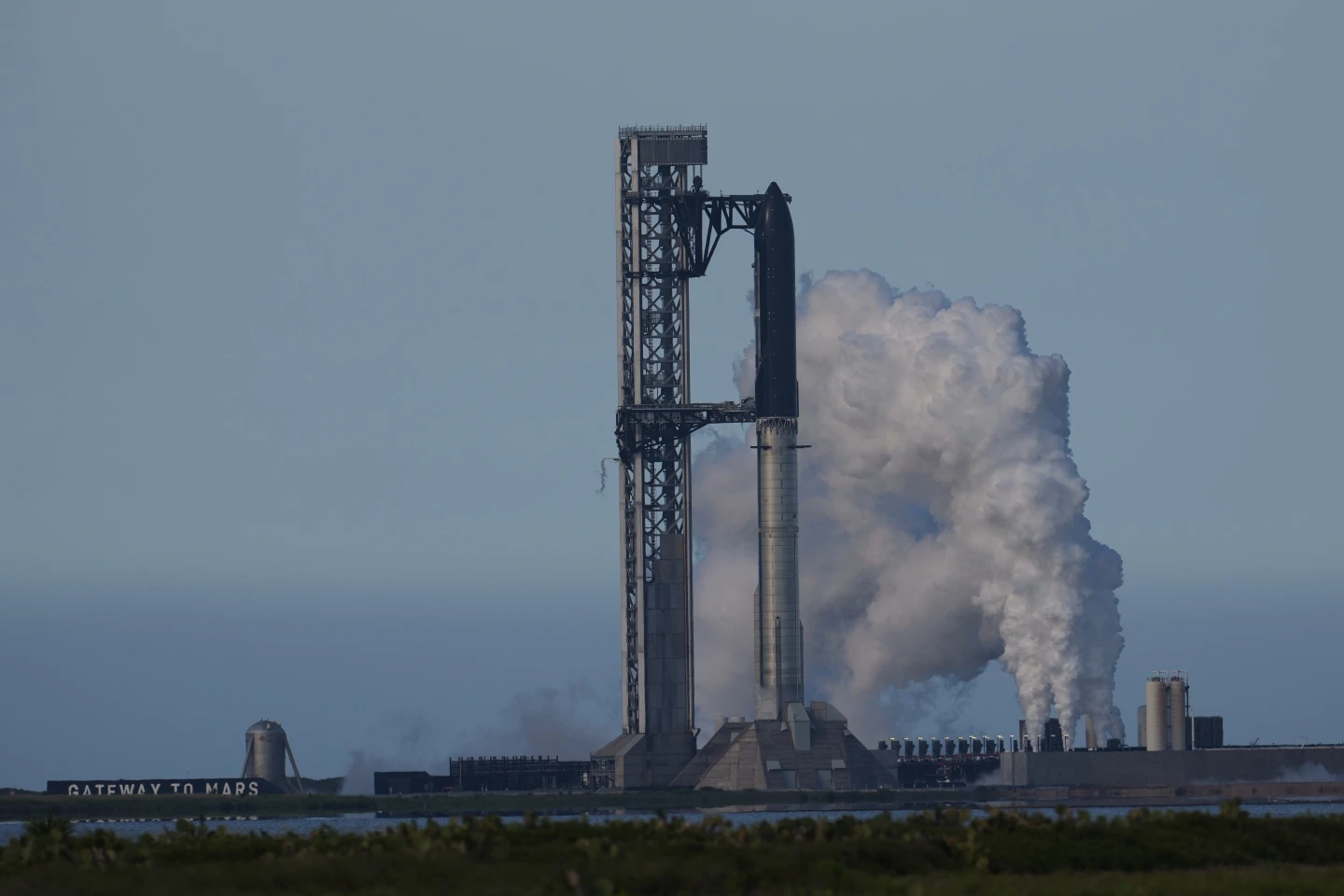
A few days after Nasa's Space Launch System (SLS) reached the launch pad at Kennedy Space Centre, the most important lesson about Artemis II had already been learned. After two scrubbed launches in February and again in March because of separate technical issues, Nasa Administrator Jared Isaacman stated that launching a rocket as important as SLS every three years is not a path to success. The agency had to stop treating each rocket like a work of art and start launching with a frequency indicative of a serious program.
A Rocket That Did the Job
The SLS generated 8.8 million pounds of thrust at liftoff and, by every critical measure, performed to plan. Two of the three planned course corrections on the way to the Moon were scrapped due to the accuracy of the trajectory. On the first day after launch, Orion completed the crucial translunar injection burn flawlessly, getting the spacecraft on its path to the Moon.
Humans in the Machine
The mission's official purpose is to put people inside Orion to observe their interactions with the spacecraft. The crew faced some issues, such as toilet complications and a water dispenser malfunction, but overall, it has shown how the spacecraft operates with humans on board. Engineers are building the case that Orion is safe enough for lunar missions.
Great Science or Nasa Hype?
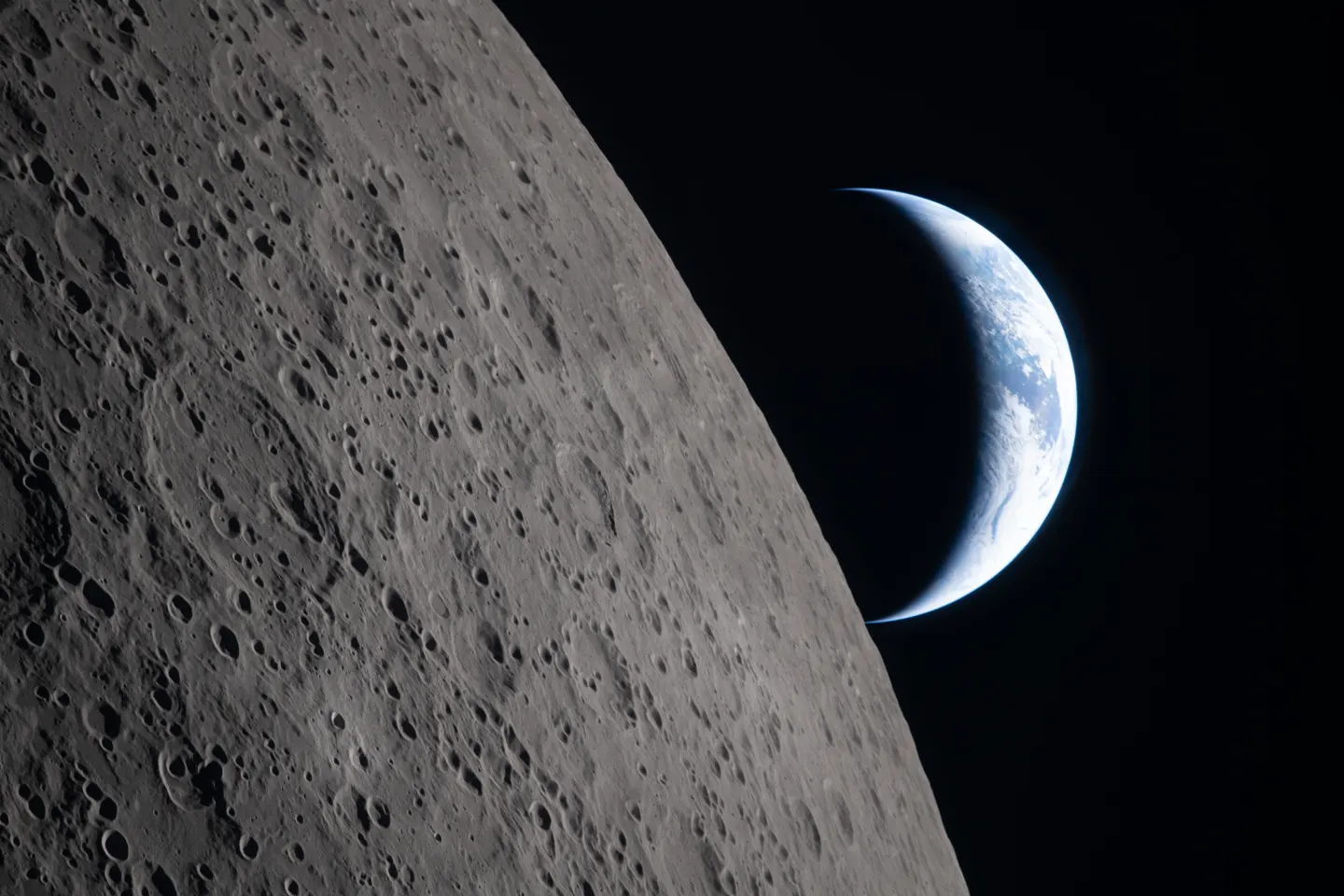
While NASA has highlighted the scientific observations from the crew, critics argue that the artistic value of the images returned outweighs their scientific merit. Despite the claims of the mission, the real test remains: can the U.S. maintain the momentum needed for a successful return to the Moon?
The Biggest Test to Come
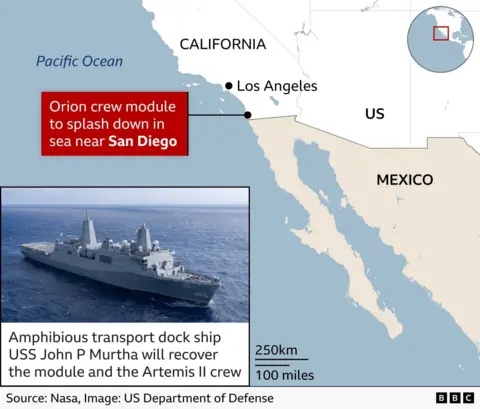
As Artemis II approaches its conclusion, the impending re-entry into Earth's atmosphere will be the defining moment for this mission. If successful, it could solidify a path toward consistent lunar exploration. However, a Moon landing by 2028 is still uncertain, with experts suggesting it is more realistically a three to four-year timeline. This mission, however, has undeniably paved the way for future lunar ambitions.