HOUSTON (AP) — Lunar love knows no bounds. Now returning home from the moon, the Artemis II astronauts took a poignant page from Apollo 8 earlier this week, proposing meaningful names for a couple of lunar craters.
Commander Reid Wiseman and his crew sought permission to name a small fresh crater after their capsule, called Integrity, and another crater after his late wife, Carroll. Canadian astronaut Jeremy Hansen voiced the request just before the lunar fly-around on Monday. The weight of emotion made it hard for Wiseman to speak.
Carroll Wiseman, who worked as a neonatal nurse, passed away from cancer in 2020, making the gesture both personal and profound during their historic mission.
This request mirrored Apollo 8, which took place in 1968 when astronaut Jim Lovell named a prominent lunar peak after his wife, Mount Marilyn, as she eagerly awaited his return.
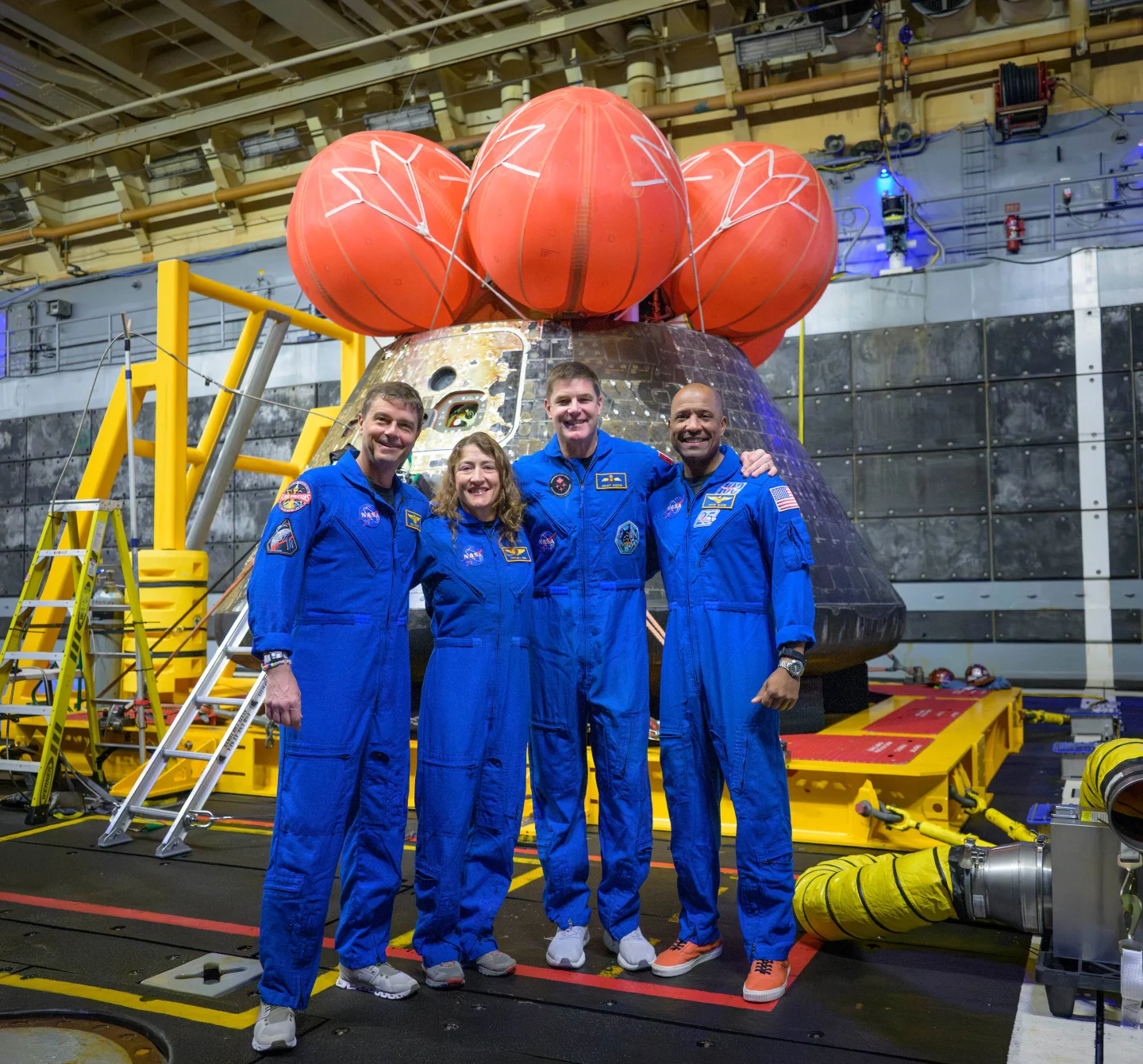
The Artemis II crew, comprising three Americans and one Canadian, marked the first lunar visitors since Apollo 17 concluded that significant chapter in 1972, leaving ground controllers momentarily speechless with their request.
“It was definitely a very emotional moment. I don’t think most of us knew it was coming,” reflected NASA lunar scientist Ryan Watkins from Johnson Space Center. “There was not a single dry eye.”
Kelsey Young, the lead scientist at Mission Control, collaborated with the crew to identify two bright, relatively young craters visible from their vantage point. The proposed Carroll Crater lies on the moon's left limb, while the slightly larger Integrity crater is located on the far side of the moon.
Their heartfelt naming request followed a historic achievement, having surpassed Apollo 13’s record for deep-space distance. The astronauts shared an emotional group hug as they embraced their accomplishment, with Hansen announcing over the radio: We lost a loved one. Her name was Carroll, the spouse of Reid, the mother of Katie and Ellie. It’s a bright spot on the moon, and we would like to call it Carroll.
Mission Control's silence was palpable before they replied, affirming the names, “Integrity and Carroll crater, loud and clear.” This emotional exchange marked a notable contrast to the stoic demeanor showcased during Apollo's past missions.
“This is no fault of Apollo,” noted Watkins. “I think we’re seeing just a more human aspect.”
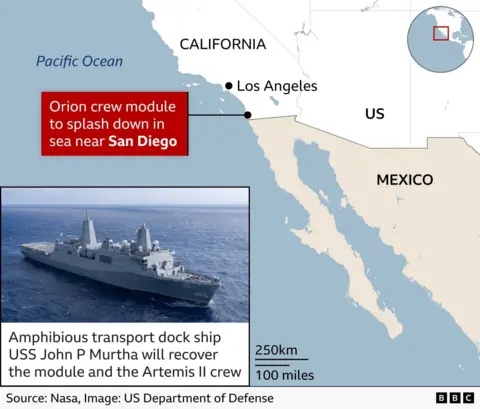
Upon their return to Earth in the coming days, the astronauts plan to submit the proposed names to the International Astronomical Union (IAU). The approval process for such requests typically takes about a month, according to IAU representative Ramasamy Venugopal.
The request comes at a time when astronaut-named features are recognized on the moon, expanding the rich history of human connection with lunar exploration, as seen with past names such as Baby Ray and Gator from Apollo 16.
While some Apollo-era nicknames, like Tracy’s Rock and Pete’s Parking Lot, were not given formal recognition, the legacy of naming continues with this new generation of astronauts honoring both their journeys and their loved ones.
Commander Reid Wiseman and his crew sought permission to name a small fresh crater after their capsule, called Integrity, and another crater after his late wife, Carroll. Canadian astronaut Jeremy Hansen voiced the request just before the lunar fly-around on Monday. The weight of emotion made it hard for Wiseman to speak.
Carroll Wiseman, who worked as a neonatal nurse, passed away from cancer in 2020, making the gesture both personal and profound during their historic mission.
This request mirrored Apollo 8, which took place in 1968 when astronaut Jim Lovell named a prominent lunar peak after his wife, Mount Marilyn, as she eagerly awaited his return.
The Artemis II crew, comprising three Americans and one Canadian, marked the first lunar visitors since Apollo 17 concluded that significant chapter in 1972, leaving ground controllers momentarily speechless with their request.
“It was definitely a very emotional moment. I don’t think most of us knew it was coming,” reflected NASA lunar scientist Ryan Watkins from Johnson Space Center. “There was not a single dry eye.”
Kelsey Young, the lead scientist at Mission Control, collaborated with the crew to identify two bright, relatively young craters visible from their vantage point. The proposed Carroll Crater lies on the moon's left limb, while the slightly larger Integrity crater is located on the far side of the moon.
Their heartfelt naming request followed a historic achievement, having surpassed Apollo 13’s record for deep-space distance. The astronauts shared an emotional group hug as they embraced their accomplishment, with Hansen announcing over the radio: We lost a loved one. Her name was Carroll, the spouse of Reid, the mother of Katie and Ellie. It’s a bright spot on the moon, and we would like to call it Carroll.
Mission Control's silence was palpable before they replied, affirming the names, “Integrity and Carroll crater, loud and clear.” This emotional exchange marked a notable contrast to the stoic demeanor showcased during Apollo's past missions.
“This is no fault of Apollo,” noted Watkins. “I think we’re seeing just a more human aspect.”
Upon their return to Earth in the coming days, the astronauts plan to submit the proposed names to the International Astronomical Union (IAU). The approval process for such requests typically takes about a month, according to IAU representative Ramasamy Venugopal.
The request comes at a time when astronaut-named features are recognized on the moon, expanding the rich history of human connection with lunar exploration, as seen with past names such as Baby Ray and Gator from Apollo 16.
While some Apollo-era nicknames, like Tracy’s Rock and Pete’s Parking Lot, were not given formal recognition, the legacy of naming continues with this new generation of astronauts honoring both their journeys and their loved ones.