Okinawan protest over US Marine murder case highlights long‑standing local grievances
Local voices echo the frustration that has simmered for decades, questioning the balance of power that allows foreign troops to act beyond the reach of Japanese law.
Local reaction
"Not again," 52‑year‑old Ai Sato said, frowning at the news of yet another criminal act by a US service member. She added that repeated incidents erode trust and build grief across Okinawa. Forty‑two‑year‑old Ginowan resident Akemi Oshiro shared similar feelings, saying she has stopped being shocked by such crimes because they happen far too often.
The punitive actions in Okinawa are not isolated. A 2016 rape‑murder case turned a motley crowd of tens of thousands into a national protest force, demanding the expulsion of a US marine convicted of a brutal crime. These demonstrations have fueled a persistent civic movement that sees the US troop presence as a source of crime, damage and injustice.
Historical context
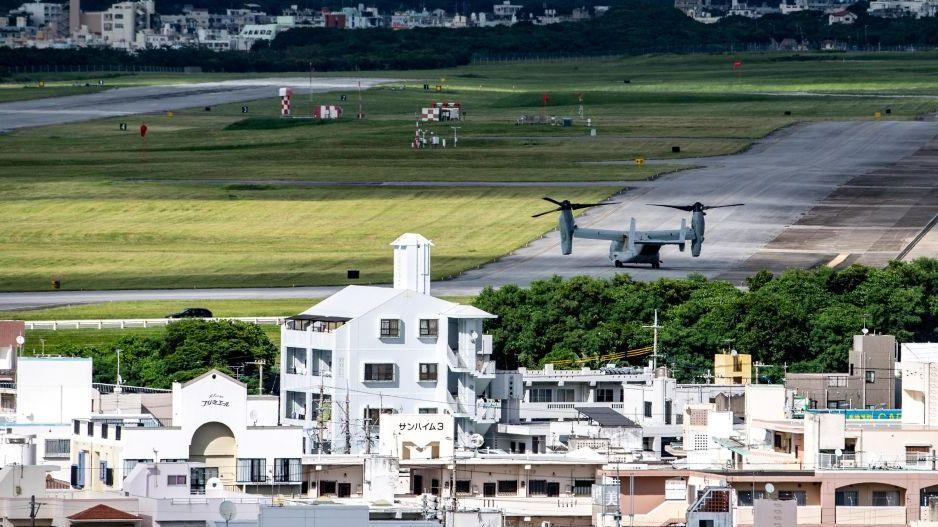
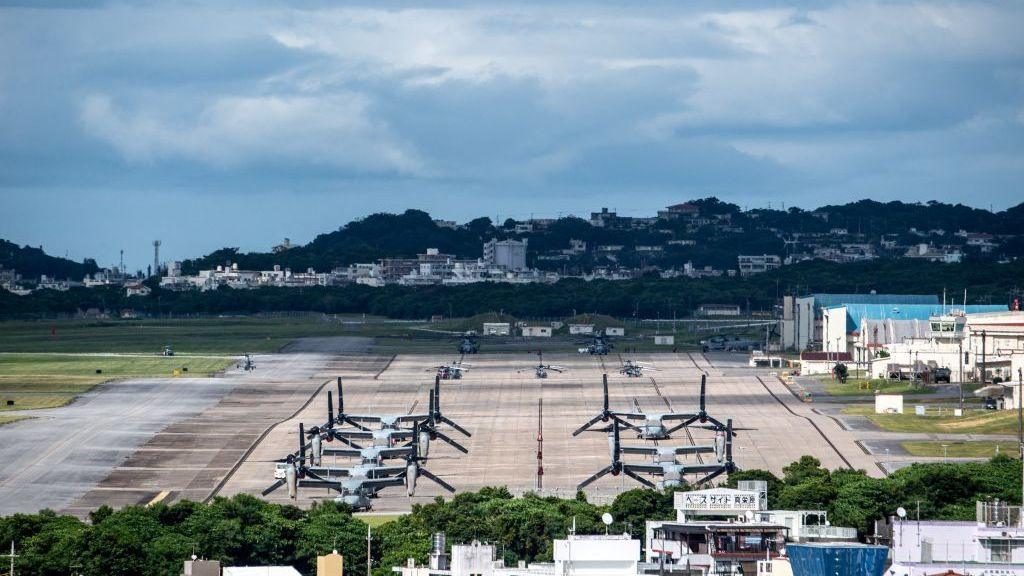
Since Okinawa was returned to Japan in 1972, more than 6,400 armed‑forces related criminal cases have been logged by the prefectural government. The island, covering only a fraction of Japan’s land mass, contains about 70% of all US‑provided military property across the country, with a density that intensifies local tensions. Incidents dating back to the 1995 abduction of a 12‑year‑old schoolgirl highlight a pattern where local residents sue for perceived impunity.
Historically, jurisdictional disputes have been heated when crimes are alleged to have been committed by personnel on or off duty. Japanese courts can take primary jurisdiction when they are involved, but the US sometimes retains custody pending charges, a process that many locals see as a loophole for impunity.
Diplomatic response
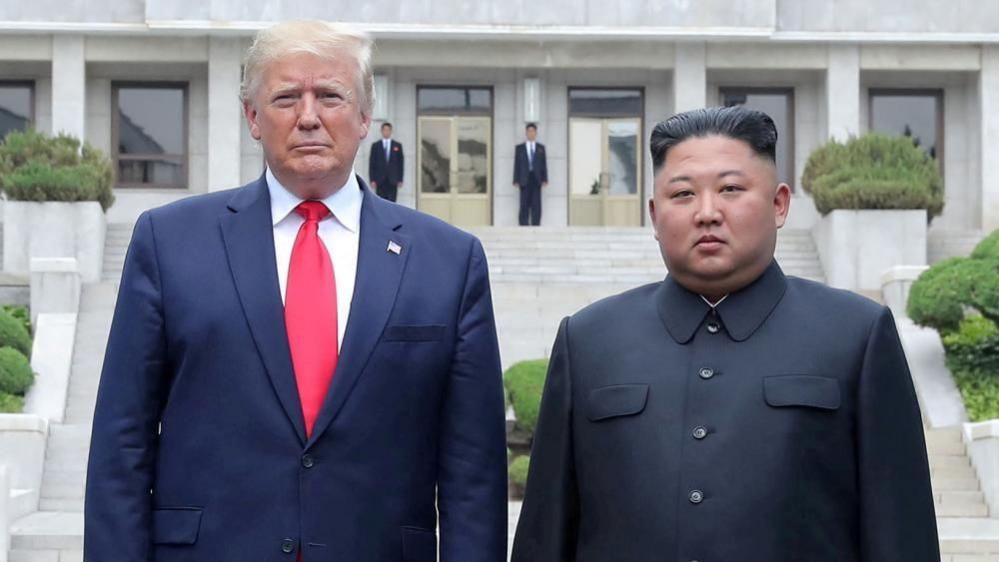
Japanese Prime Minister Sanae Takaichi registered an official protest with Washington, demanding the US to address a policy that allows continued Japanese lawlessness on its forts. Some Okinawan activists demand more than diplomatic notes, urging a direct call from the Prime Minister to President Trump for concrete, enforceable changes.
Japan has maintained, for operational and strategic reasons, that its partnership with the United States remains paramount. The presence of around 55,000 American troops is defended as critical to the security of both nations, yet the growing public outcry threatens to destabilize the mutual trust that underpins this arrangement.
Community impact and future outlook
The recent murder, involving a 39‑year‑old hotel employee that police say was strangled with a cord in a rented Japan courtroom, led to crowds of 100 on the island and parallel protests in Tokyo. Social media posts calling for justice and declaring “Enough is enough” reverberated nationwide. The demand stretches beyond specific legal accountability to the structural reevaluation of troop dispositions on Okinawa.
The fishbone of the issue lies in an invisible power imbalance, where a host nation's sovereignty is contested by its ally’s strategic military footprint. This dissonance drives lawmakers, activists and ordinary residents to question a relationship heavily laced with regulation, risk and ever‑present potential harm.
Conclusion
With the Marines’ arrest putting a human face to a policy debate that has simmered for decades, the voices on Okinawan soil have never sounded louder. The clash between strategic alliances and local justice highlights the need for a reexamination of how foreign forces are addressed when both national and international stakes are high and divergent perspectives must be reconciled.