In brief
María Corina Machado, who fled to claim a Nobel Peace Prize, finally returns to a Venezuela that has pivoted under a Trump‑era oil deal. The streets of Caracas erupted in celebration as supporters sat with the exiled politician amid a backdrop of changing political power—a former vice‑president now in control. The move signals a reopening of the political landscape, with Machado’s presence bringing hope to the anti‑dictatorship base. Analysts note the return signals a new phase of opposition power, while the U.S. continues to influence policy through its agreements. Machado’s comeback underscores the resilience of Venezuela’s opposition amid shifting alliances and a government that has been forced to adapt.
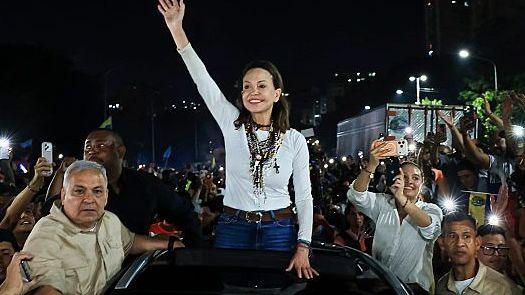
Driving down roads lined with jubilant supporters from the western state of Lara to the capital Caracas, María Corina Machado’s return to Venezuela could hardly have been more different from her exit 10 months earlier.
Colourful, loud, open and defiant, the arrival stood in stark contrast to the night she slipped out of the country to accept the Nobel Peace Prize in Oslo. She had been unable to return until now, thwarted on several occasions by the Venezuelan government and, remarkably, by the Trump administration until a recent green light.
"Maria Corina is the indisputable leader of Venezuela," 20‑year‑old Gregory Noriega says, wearing a sweatshirt emblazoned with the opposition movement’s logo. "Her return represents hope," he adds.
The rally in Caracas was livestreamed by supporters but largely ignored by state television, signalling the cracks in the regime’s propagandistic reach. Analysts note that the triumphant return marks a turning point for the opposition, now with a physically present leader after years of exile.
The political context has changed dramatically: Nicolás Maduro was forcibly removed by U.S. forces in January, swapped for former vice‑president Delcy Rodríguez, and has since turned his regime toward Washington in unprecedented ways. The new power coalition, shaped by a 100‑year oil concession with a U.S. company run by Alejandro Betancourt, reflects a dramatic pivot in U.S.–Venezuelan relations.
Machado has criticized the deal, targeting the Venezuelan side and Betancourt but avoiding a direct slap at President Trump, whose trust and support she hopes to keep. Trump, meanwhile, has praised Rodríguez, calling her "wonderful and a terrific person," despite calling her previous administration a group of "narco‑communists."
Venezuelan political analyst Beningno Alarcon views the return as the most significant event since the January coup and argues that the opposition now boasts a solid, present leadership. He notes that public protests have tripled in numbers and repression has halved since the regime's shift.
The surge in civic engagement reflects a population more emboldened by the return of a prominent opposition figure. Supporters claim they no longer fear speaking out, a shift that could reshape the political future of Venezuela.
For context, the president who replaced Maduro is reluctant to challenge the U.S., preferring to maintain a harmonious relationship that avoids a fate similar to his predecessor’s. Some reports suggest that key decisions are heavily influenced by U.S. Secretary of State Marco Rubio via regular communications.
Machado’s return also coincides with negotiations brokered by Washington seeking a negotiated political solution. Rubio immediately linked her safe return to U.S.–backed reconciliation talks. The Nobel laureate still faces lawsuits for treason and conspiracy, which her camp dismisses as politically motivated.
Madrid now aware, the U.S. has a stake in ensuring a compliant leadership for its energy interests. Machado’s presence bolsters the opposition’s ability to mobilize, potentially changing the year’s trajectory.
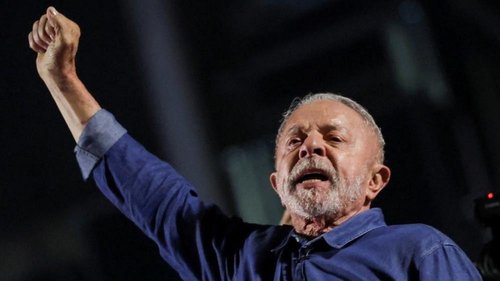
Images captured the dynamic crowd:
Additional reporting by Vanessa Silva in Caracas.