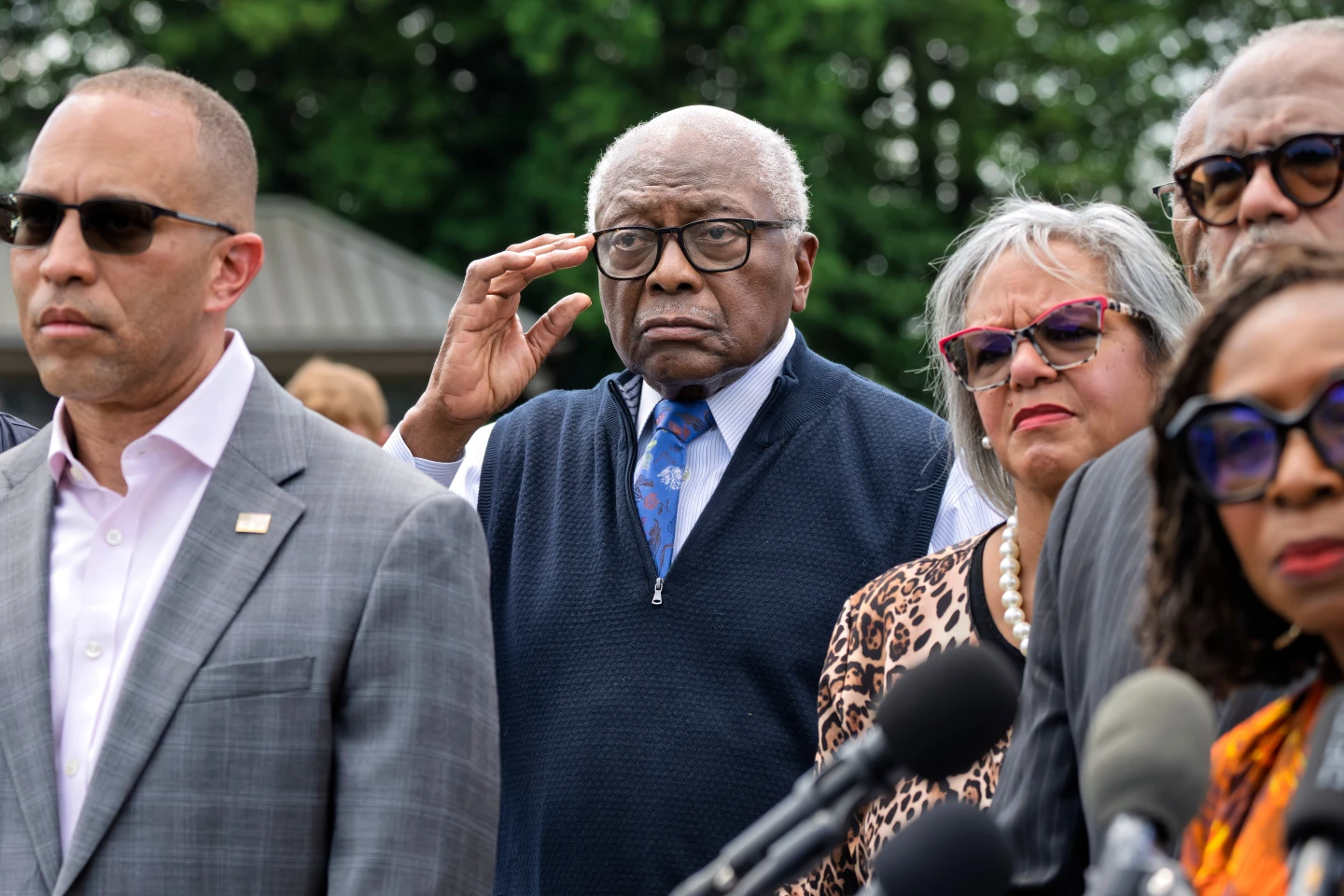
When early in‑person voting opened on Tuesday in South Carolina’s primaries, the state Senate had already decided for a different path. A Republican‑led plan to cancel the current congressional votes and hold new primaries under a revised map—one designed to help the GOP unseat a long‑time Democrat—was rejected. South Carolina citizens are going to the polls today, said Republican state Sen. Richard Cash, who called the change too late to make a difference. The plan had been part of President Donald Trump’s wider strategy to redraw districts ahead of the November election, a move that could preserve the GOP’s narrow House majority.
The move in South Carolina reflects a broader push by Republican legislators across the South. Trump has urged conservative states—including Texas, Missouri, North Carolina, Ohio, Florida, Tennessee, and others—to redraw lines ahead of the 2026 elections, hoping to offset expected headwinds that typically see the president’s party lose seats in midterms. Some GOP lawmakers project that the new maps could net them as many as 15 seats, including a potential win in Alabama if the state’s latest map is adopted.
In Alabama, a three‑judge federal panel issued a preliminary injunction that barred the state from using a Republican‑drawn congressional map. The court found that the plan intentionally discriminated based on race by limiting voters to only one Black‑majority district. It ordered that the state continue to use a court‑imposed map featuring two seats with substantial Black populations. Alabama Attorney General Steve Marshall has pledged to appeal quickly, arguing that the victory will ultimately come.
The Republican drive is grounded in the 2024 Supreme Court ruling that weakened minority protections under the Voting Rights Act. By moving ahead with early redistricting, GOP officials hope to create legislative advantages that would last until the next census. Democrats have voiced concerns that hastening the process erodes fair representation. Democratic U.S. Rep. Jim Clyburn—whose district was a target of the GOP redesign—declared he would run for reelection regardless of the new boundaries. I would be running where I live, he told early voters in Orangeburg, but noted that the white‑house directive seemed to override constitutional safeguards.
Outside South Carolina and Alabama, the battle continues in other states. The Virginia Supreme Court recently invalidated a voter‑approved redistricting plan that would have given Democrats added seats. In Louisiana, a high‑court ruling struck down a majority‑Black district, leading the state House to consider a new map that could eliminate a Democratic seat. Meanwhile, the Congressional Black Caucus has called on major corporations to oppose such Republican‑led redistricting, citing the impact on minority representation.
The redistricting saga highlights the divide over how districts should be drawn. Republicans argue that the new maps protect the balance of Republican advantage and reflect current political realities. Democrats and civil‑rights advocates counter that the aggressive reshaping—especially when done outside the normal post‑census cycle—risks diminishing representation for communities of color and undermines democratic norms. The unfolding legal and political battles in South Carolina and Alabama illustrate the high stakes in congressional mapmaking ahead of the 2026 elections.