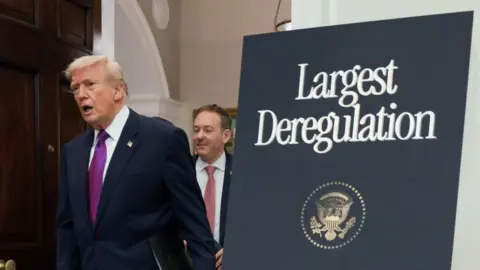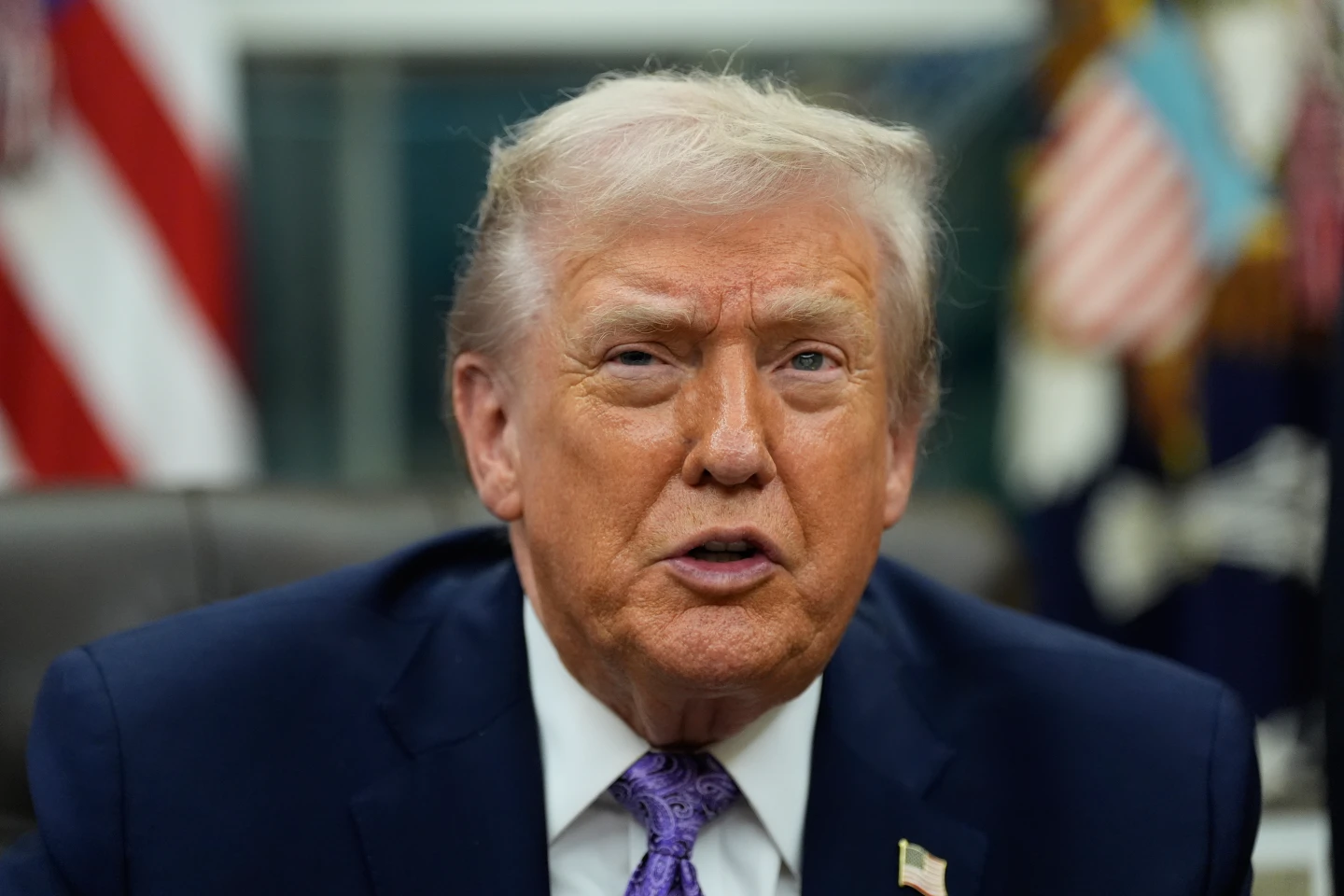
WASHINGTON (AP) — Republican lawmakers are scrambling to contain President Donald Trump’s threats of taking possession of Greenland, leading to one of the most contentious debates since he took office.
Some publicly voiced their opposition last week by spotlighting the importance of NATO, introducing legislation to prevent military action against Denmark, and even traveling to Copenhagen for discussions with Danish officials.
Despite these efforts, it remains uncertain whether they will adequately quell concerns, as Trump continues to stake his claim on the Arctic territory. This has sparked fears about the future of NATO, an alliance considered vital for international stability.
Senator Chris Coons (D-Del.) expressed his frustration, highlighting the seriousness of Trump's rhetoric: “When the most powerful military nation on earth threatens your territory repeatedly, you start to take it seriously.” He spearheaded a bipartisan delegation to Denmark aimed at reducing tensions.
Republican Senators Thom Tillis and Lisa Murkowski joined Coons on the trip, counterbalancing Trump's aggressive posturing with dialogues centered on military agreements in the Arctic.
Simultaneously, Trump announced a 10% import tax on goods from eight European countries opposing his Greenland strategy, further complicating diplomatic relations.
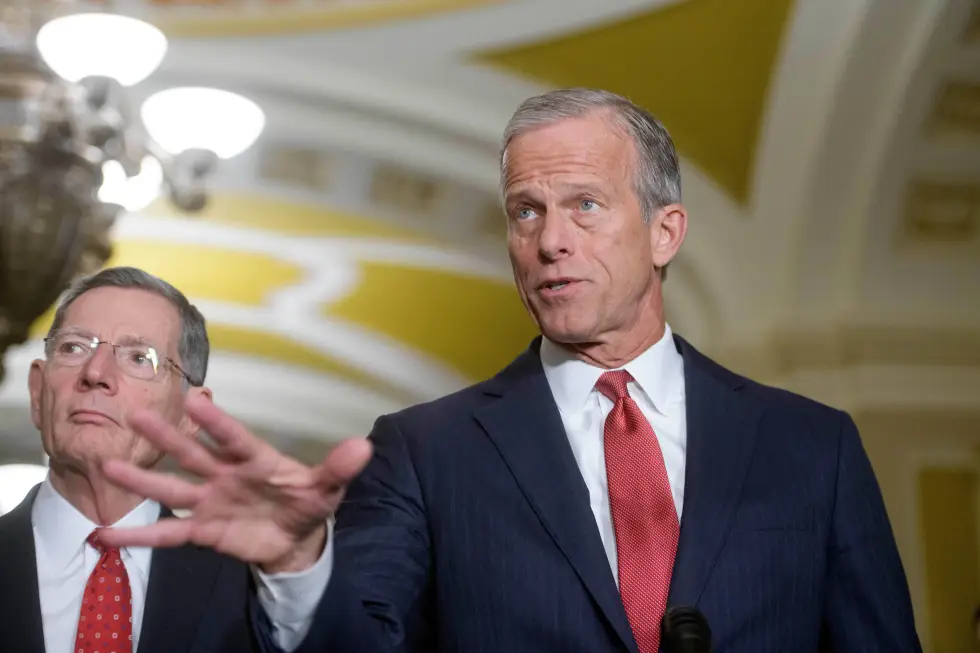
Senators from both parties have urged restraint, warning that a forceful annexation of Greenland could fracture alliances, as evidenced by heated statements from GOP leaders, including Senate Majority Leader John Thune. He stressed that there is “not an appetite for some of the options that have been discussed.”
In bipartisan talks, lawmakers are considering several strategies to prevent military conflict over Greenland. Some Republicans, like Murkowski, are advocating for legislation that would bar the Department of Defense from using funds to attack or occupy territory owned by NATO members without their express consent.
Notably, there is a growing sentiment among bipartisan lawmakers that cooperation rather than confrontation would best serve American interests in Greenland. Key discussions have emerged, including potential collaborations in critical mineral industries alongside shared military efforts with Danish counterparts.
As the debate over Greenland continues to unfold, it appears that while there may be some support for Trump's claims, there is strong resistance to the idea of using force to achieve his plans. This scenario has led to concerns about NATO's future stability and calls for greater collaboration between the U.S. and its allies.