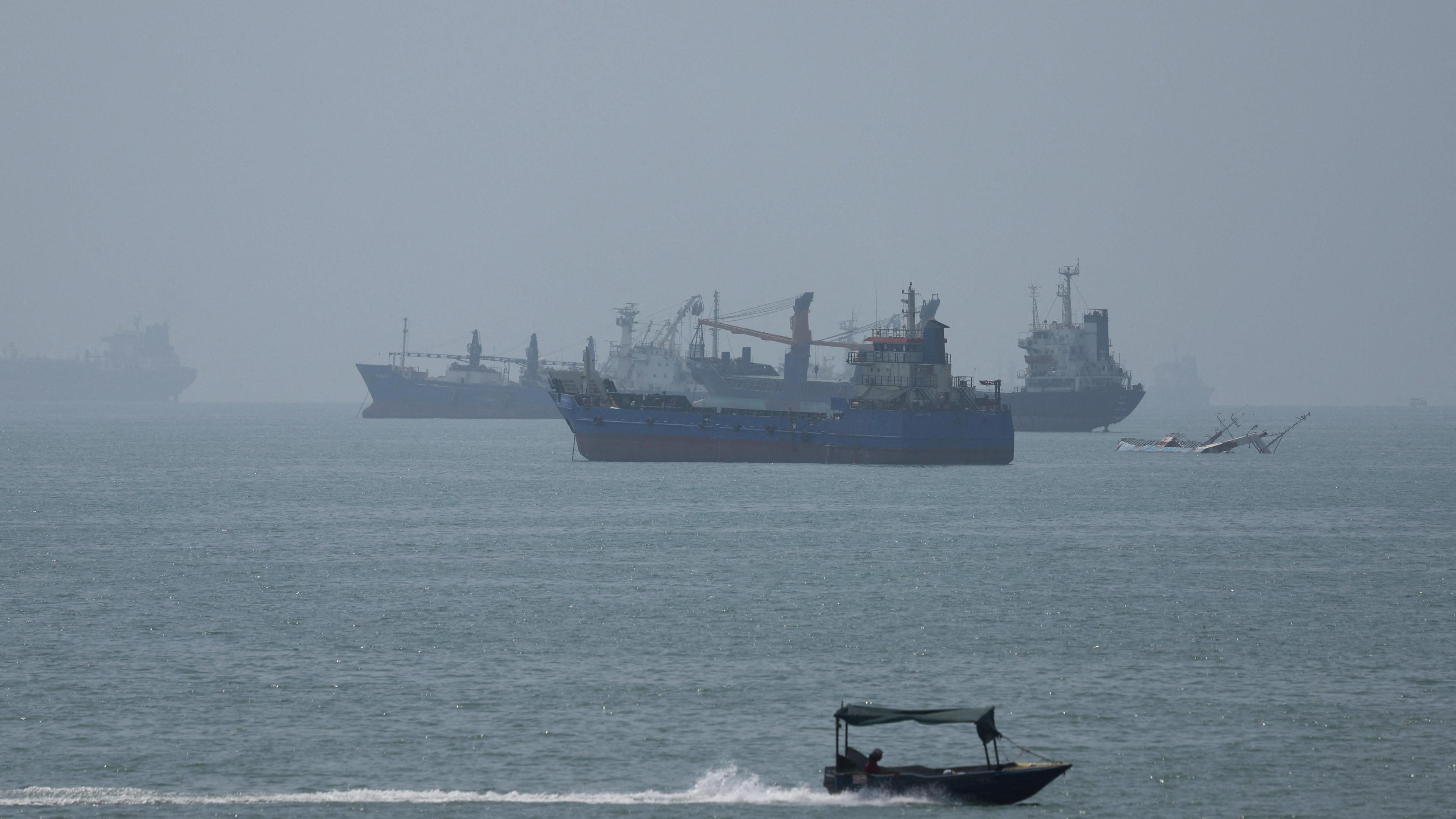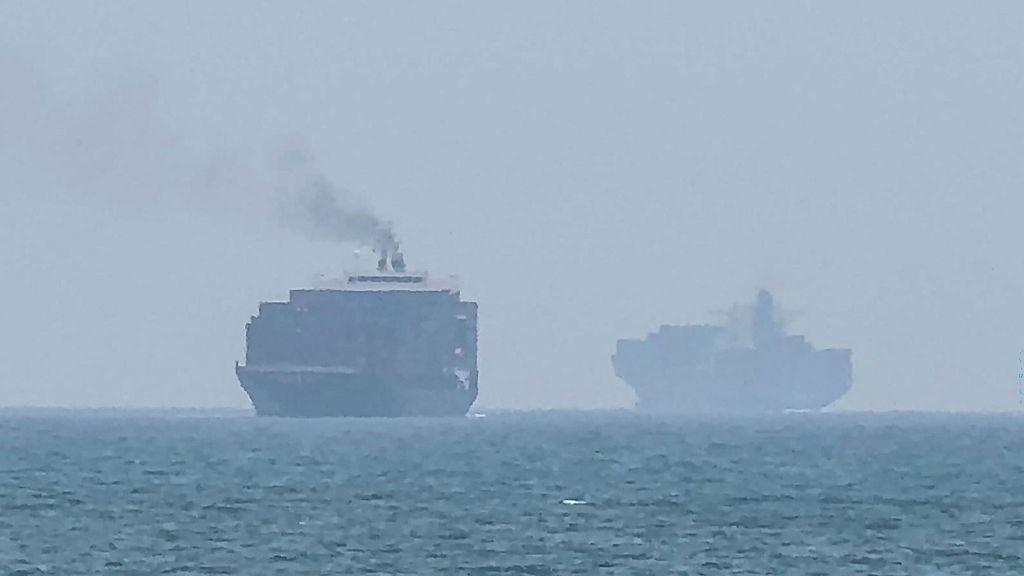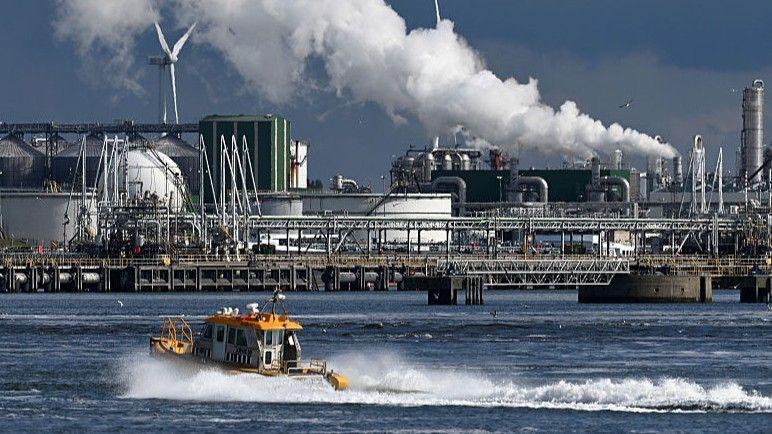
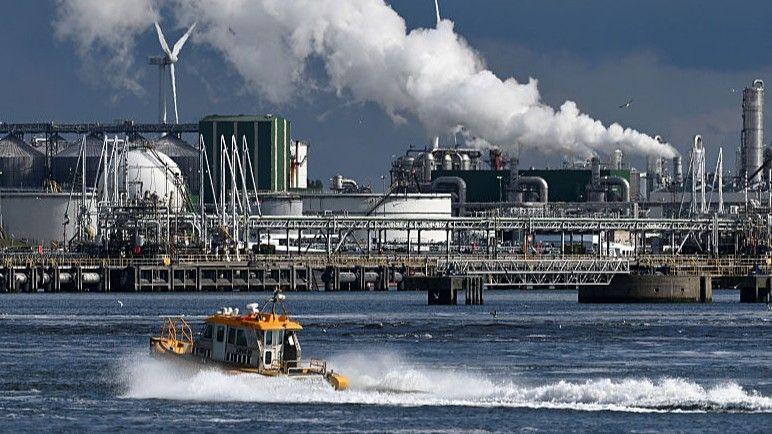
Standing on the Hook of Holland, the Port of Rotterdam stretches out under cranes and container stacks, a testament to the Netherlands’ reclaimed lands from the North Sea. It is Europe’s biggest freight port, handling almost as much cargo as all UK ports combined.
Central to its operations are five refineries, including Shell’s largest in Europe, processing hundreds of thousands of barrels a day. Those flows feed a chemical cluster that powers industry across the continent, but they also produce about 600 million tonnes (or 600 Mt) of CO₂ annually.
Because of that scale, Rotterdam has come under legal pressure from the environmental group Advocates for the Future, who argue that the Port Authority is not acting fast enough to curtail fossil‑fuel flows. Their lawsuit calls for a detailed phase‑out plan rather than a distant net‑zero promise.
Port officials say they are already charting a path forward. They aim to cut direct and purchased‑energy emissions by 90 % by 2030, invest in shore power infrastructure, test hydrogen as a new fuel, and support LNG, biofuels and methanol bunkering. They also plan to capture and store CO₂ offshore through the Porthos project.
However, industry heads still answer to headquarters in the United States or China, meaning regulations that are too tight could push them elsewhere. Sustainability experts note that without a global level playing field and stronger incentives—such as the EU’s sulphur limits on marine fuels—any single port’s efforts will have limited effect.
While the Port Authority projects a cleaner future, it faces the dilemma of still generating income from fossil‑fuel industries. It must balance maintaining its role as a logistics hub with the urgent need to de‑carbonise.